


EN

International natural stone fairs are much more than trade events. They are privileged observers to understand how marble, granite, travertine, onyx and other natural stones are presented in global markets: not only as building materials, but as surfaces for architecture, interior design, luxury, contract, outdoor and the contemporary city.
Following the geography of the main fairs in the stone sector means reading the evolution of a supply chain that combines material, technology, manufacturing, design culture and sustainability. Each event offers a different perspective: the productive strength of the different areas, the innovation of the machinery, the quality of the workmanship, the relationship with architects and designers, the ability to tap into major international markets.
Among the most important events worldwide, Marmomac in Verona – which celebrates its 60th anniversary this year – keeps a central role. The event represents one of the most recognized platforms for the entire techno-stone supply chain: materials, blocks, slabs, machinery, tools, technologies, design and architecture. The figures for the 2025 edition confirm this leadership, with 1,400 exhibitors, 50,000 visitors, 76,000 square metres of exhibition space, and a strong presence of international industry professionals. Marmomac is the place where natural stone is presented not only as a product, but as an industrial and design culture, capable of communicating with companies, designers and global markets.
On an even larger scale is the China Xiamen International Stone Fair in China, one of the largest professional events dedicated to natural stone. The 2026 edition covered 191,000 square metres, featuring 24 stands, 8 thematic areas, and around 2,000 participating brands. Its strength lies in its international dimension and its ability to connect materials, technologies, processes, design and global trade. Xiamen is a key gateway to the Asian market and highlights how natural stone is now fully integrated into the major global supply chains of the construction and surface industries.
In the Eastern Mediterranean, Marble İzmir represents another strategic hub. Turkey is one of the world’s leading natural stone producers, and the İzmir fair showcases this heritage through a format that brings together materials, technologies, professional meetings, and opportunities to discuss the sector’s future. With more than 1,000 exhibitors, 150,000 square metres of exhibition area, and over 60,000 visitors reported by the organisers, Marble İzmir presents natural stone as a geological resource, a cornerstone of industrial identity, and a driver of exports.
In the United States, Coverings is the leading North American event dedicated to tile and stone. It is not an exclusively stone fair, but this hybrid nature makes it particularly interesting. Here, natural stone engages with the broader market for surfaces, interior design, installation, distribution, and contract. It is specifically targeted at industry professionals, including architects, designers, builders, contractors, fabricators, installers, and retailers, and the 2026 edition featured approximately 1,000 exhibitors from 40 countries. Coverings clearly demonstrates how natural stone is now interpreted alongside other materials, within the languages of residential, hospitality, retail, and commercial spaces.
Another key observatory is Marble & Stone World, within Big 5 Global in Dubai. In this case, natural stone is positioned within the broader context of construction, urban development, real estate, and major international projects. The event attracts architects, developers, contractors, project owners, and buyers interested in natural stone, surfaces, facades, processing, and solutions for architectural projects. Dubai’s added value lies in its proximity to markets with high investment capacity, where marble and stone materials are often associated with hotels, luxury residences, public spaces, high-quality interiors and large-scale architecture.
In South America, Marmomac Brazil has strengthened Brazil’s role as an international platform for natural stone. The country is renowned for the variety and aesthetic appeal of its materials, particularly granites, quartzites, and decorative stones. The São Paulo event debuted with around 200 brands, 15,000 expected visitors from more than 60 countries, and it aimed at manufacturers importers, architects, designers, and construction professionals. The event helps position natural stone as a spectacular, distinctive, and competitive material in the design, luxury, and decorative surfaces markets.
In Europe, alongside Verona, trade fairs such as Stone+tec in Nuremberg and Rocalia in Lyon offer complementary perspectives. Stone+tec has a technical and professional profile, with a focus on natural stone, technologies, installation, restoration, preservation, and funerary art. Rocalia, on the other hand, is the leading French event dedicated to natural stone and has strong synergies with Paysalia, the fair dedicated to landscaping. This connection expands the narrative around stone to include outdoor spaces, gardens, paving, urban furniture, public spaces, and landscape architecture.
The international landscape is further enriched by fairs such as STONA and India Stonemart in India, which are relevant for understanding the growth of Asian markets, the strength of producing countries, and the relationship between natural stone, industry, exports, and infrastructure development. In these contexts, the stone industry presents itself as a dynamic supply chain, connected to the availability of materials, production capacity, and the growing demand for construction and surfaces.
The geography of natural stone fairs therefore shows a complex and global sector. Each event tells a different part of the same story: Marmomac represents the culture of the supply chain and design; Xiamen the Asian and industrial scale; İzmir the productive strength of the Eastern Mediterranean; Coverings the surfaces market in North America; Dubai the connection with construction, luxury, and major projects; Brazil and India the vitality of producing countries; Rocalia and Stone+tec the European relationship with landscape, technology, restoration, and quality applications.
In all these events, a common trend emerges: natural stone is no longer competing solely on availability, price, or technical performance. Its value is built through the narrative of durability, origin, unique beauty, sustainability, traceability, and its ability to become part of the language of contemporary architecture. International fairs are the place where this narrative takes shape, transforming marble and natural stone into increasingly central materials in global design markets.
Author: Redazione
Other articles
 BLOG
BLOG
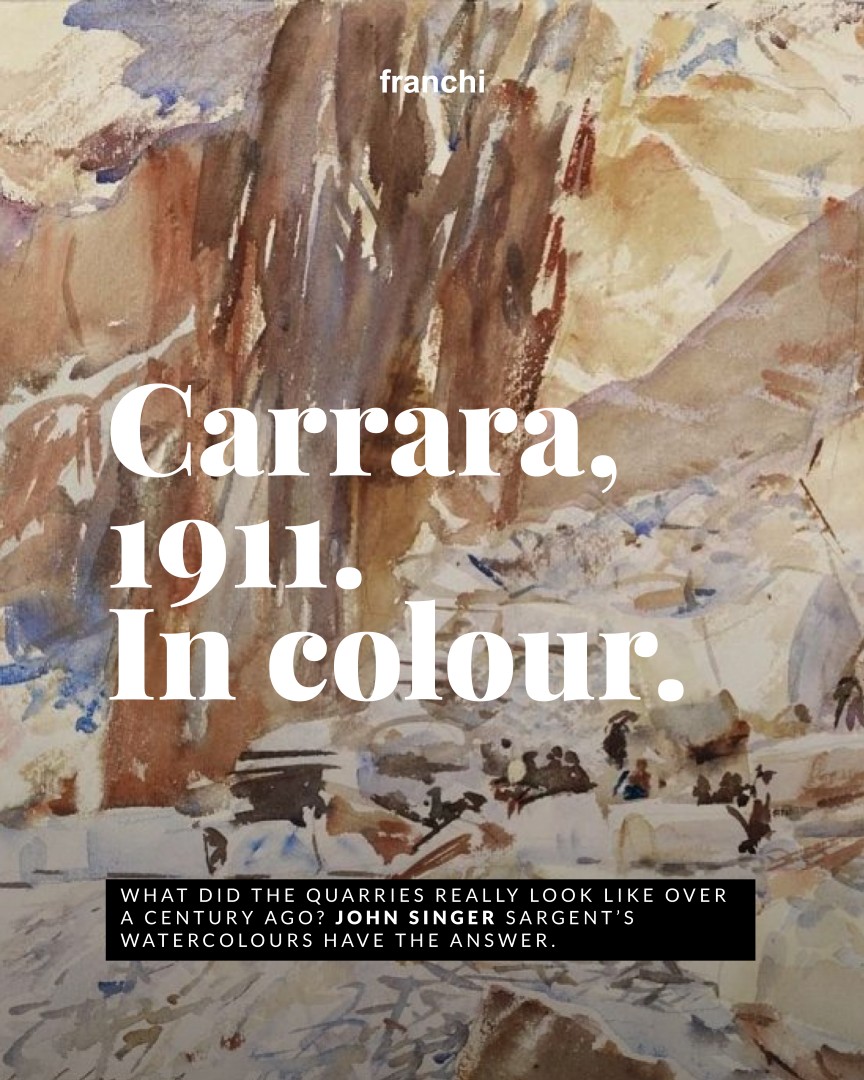
Carrara 1911 in Colour: John Singer Sargent in the Marble Quarries
The great American painter captures in watercolour the light, work, and colours of a unique landscape at the dawn of the 20th century.
 BLOG
BLOG
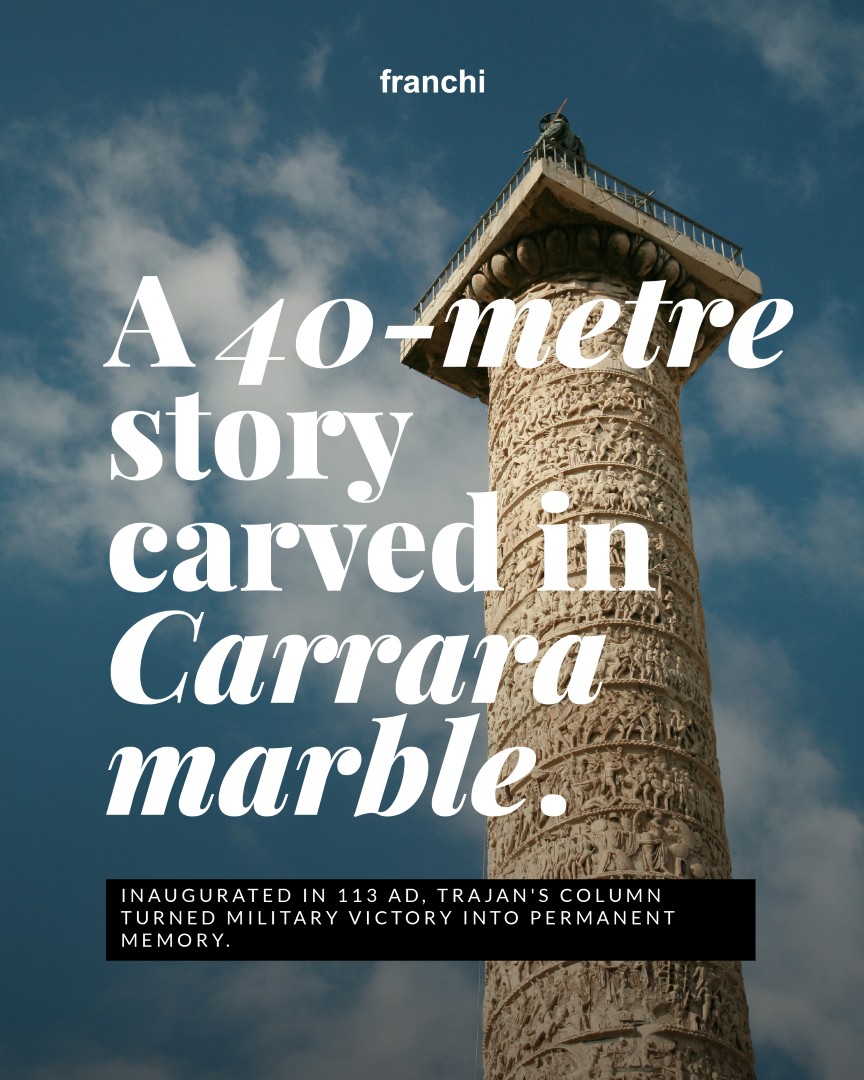
Trajan’s Column: Carrara Marble as a Symbol and Language of Power
Trajan’s Column represents one of the pinnacles in the history of Carrara marble during the Roman era. Crafted from Luna marble, it chronicles the power of the Empire through a spiral frieze spanning over 200 meters, featuring 155 scenes and more than 2,500 figures. It is a masterpiece of sculpture, engineering, and political memory, in which marble becomes a monumental language, a public narrative, and a universal symbol of triumph.
 BLOG
BLOG
The Enduring Material: Carrara Marble Between the History of Taste and Contemporary Design
From White Carrara to Calacatta: discover why marble transcends trends and continues to reinvent itself in architecture and interior design.
 BLOG
BLOG
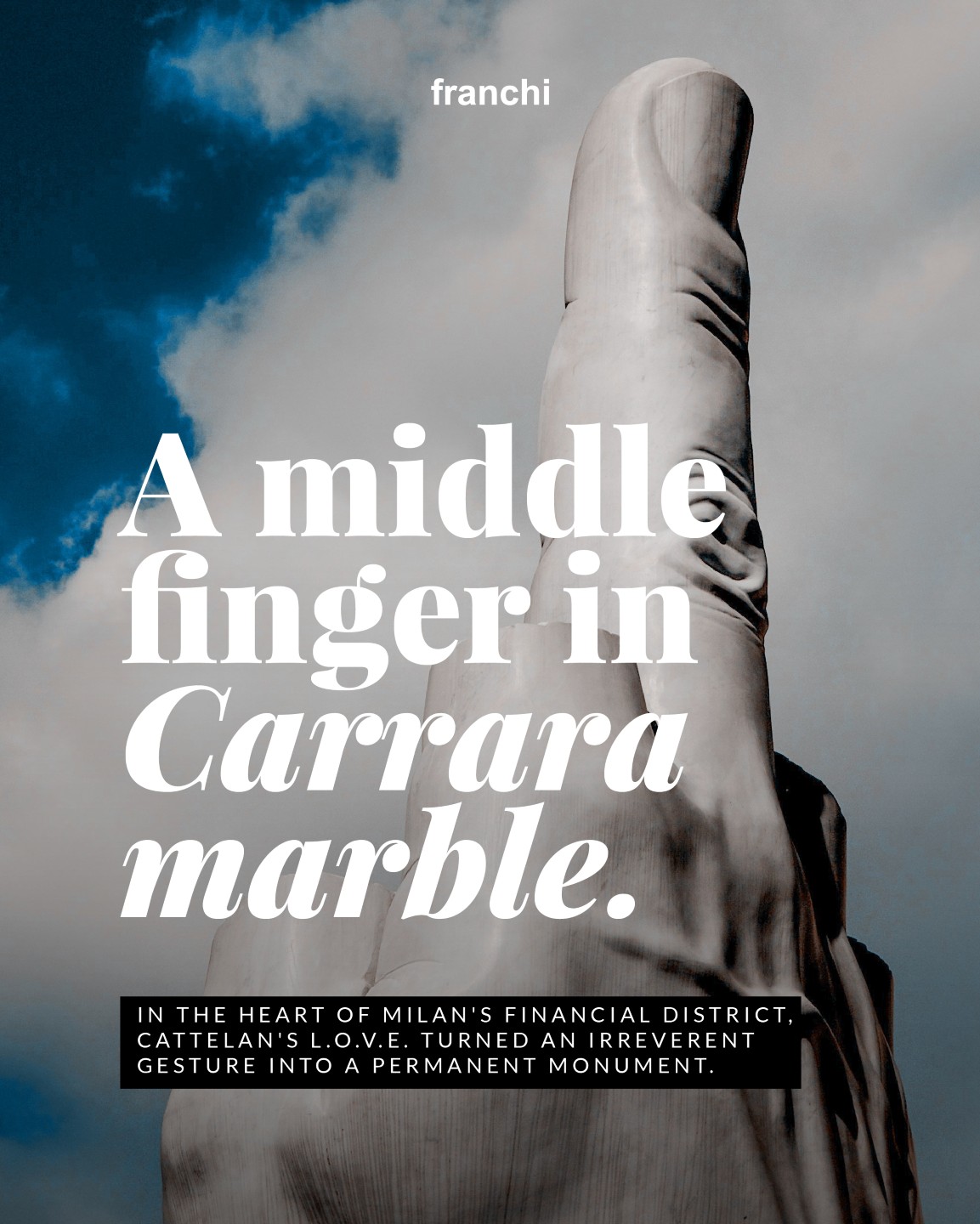
L.O.V.E. by Cattelan: Carrara marble as a Contemporary Gesture
In Piazza Affari, Maurizio Cattelan’s L.O.V.E. transforms Carrara marble into a contemporary, provocative, and monumental gesture. Known as “The Finger,” the work uses a material historically associated with memory and power to construct an urban anti-monument: an ambiguous, critical presence capable of questioning public space and the role of marble in contemporary art.
 BLOG
BLOG
Marmomac 2026: The 60th Edition Where Natural Stone Meets the Future
From September 22 to 25, Marmomac celebrates its 60th edition in Verona. Following the 50,000 industry professionals and 1,400 exhibitors seen in 2025, the event returns featuring "The Bedrock," new initiatives dedicated to design and technology, the International Award for Sustainable Excellence, and "Marmomac and The City." It is a special edition in which a dialogue with White Carrara unites Italy’s major natural stone districts. Franchi Umberto Marmi will be present in Hall 9, Stand C14, where visitors can discover the company’s materials and the Carrara District.
 BLOG
BLOG
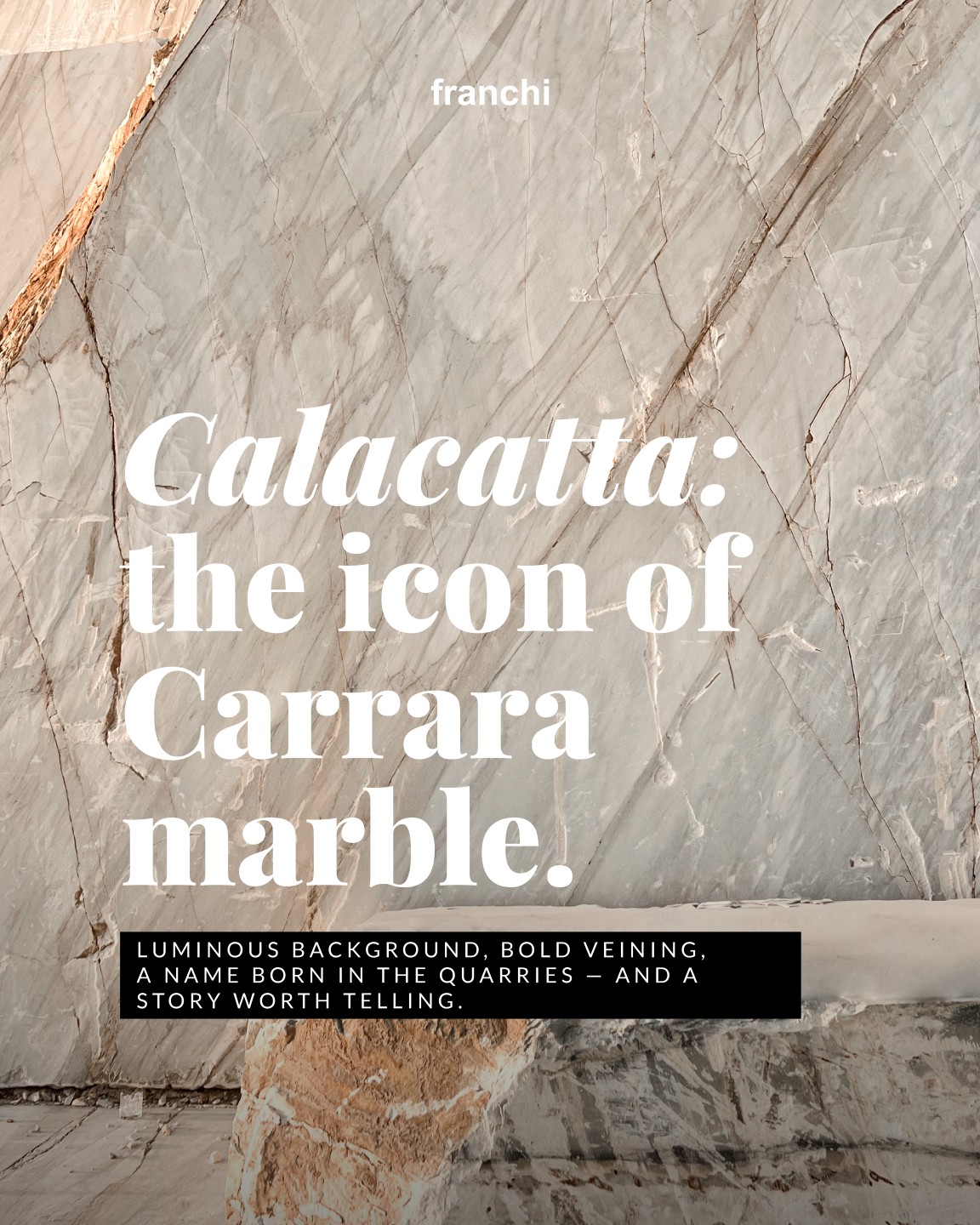
Calacatta: History and Identity of a Carrara Marble Icon
From the origin of its name to the characteristics of the stone: a journey through the Calacatta family and its contemporary interpretations by Franchi Umberto Marmi.
 BLOG
BLOG
TEDx Forte dei Marmi 2026: From Dream to Project, Through Matter
The story of TEDx Forte dei Marmi 2026 "Dreams to Design" with Franchi Umberto Marmi: a journey through Design Valley, architecture, and the culture of Carrara marble.
 BLOG
BLOG
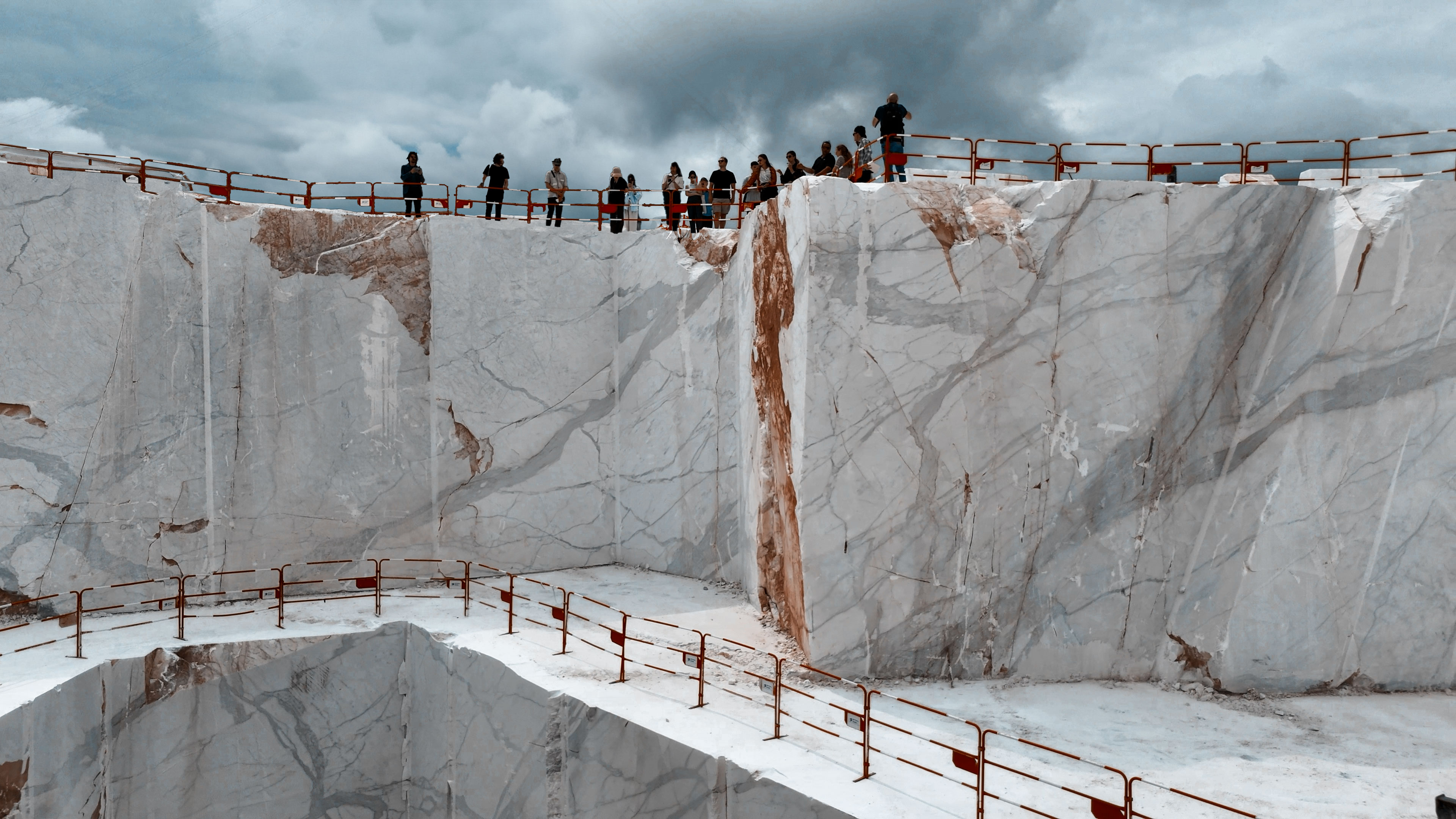
Franchi Academy: International architects in dialogue with Carrara marble
Three years of lectures, workshops, and advanced education with YACademy, exploring the value of natural stone in contemporary architecture.
 BLOG
BLOG
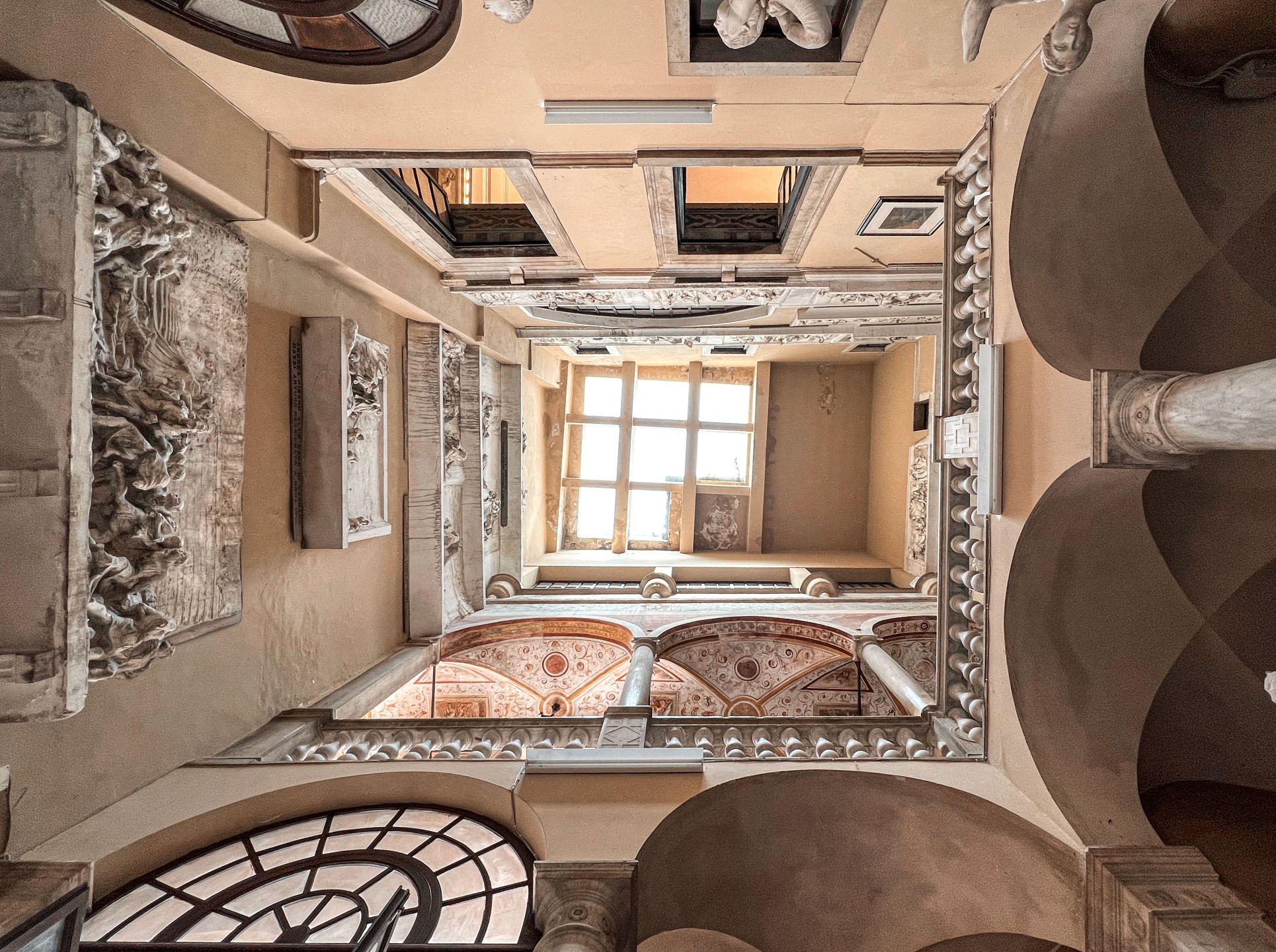
Carrara and Contemporary Art: The City-Laboratory Where Marble Meets Craftsmanship
From historic workshops to advanced robotics, Carrara continues to attract leading international artists as a living laboratory for contemporary sculpture.
 BLOG
BLOG
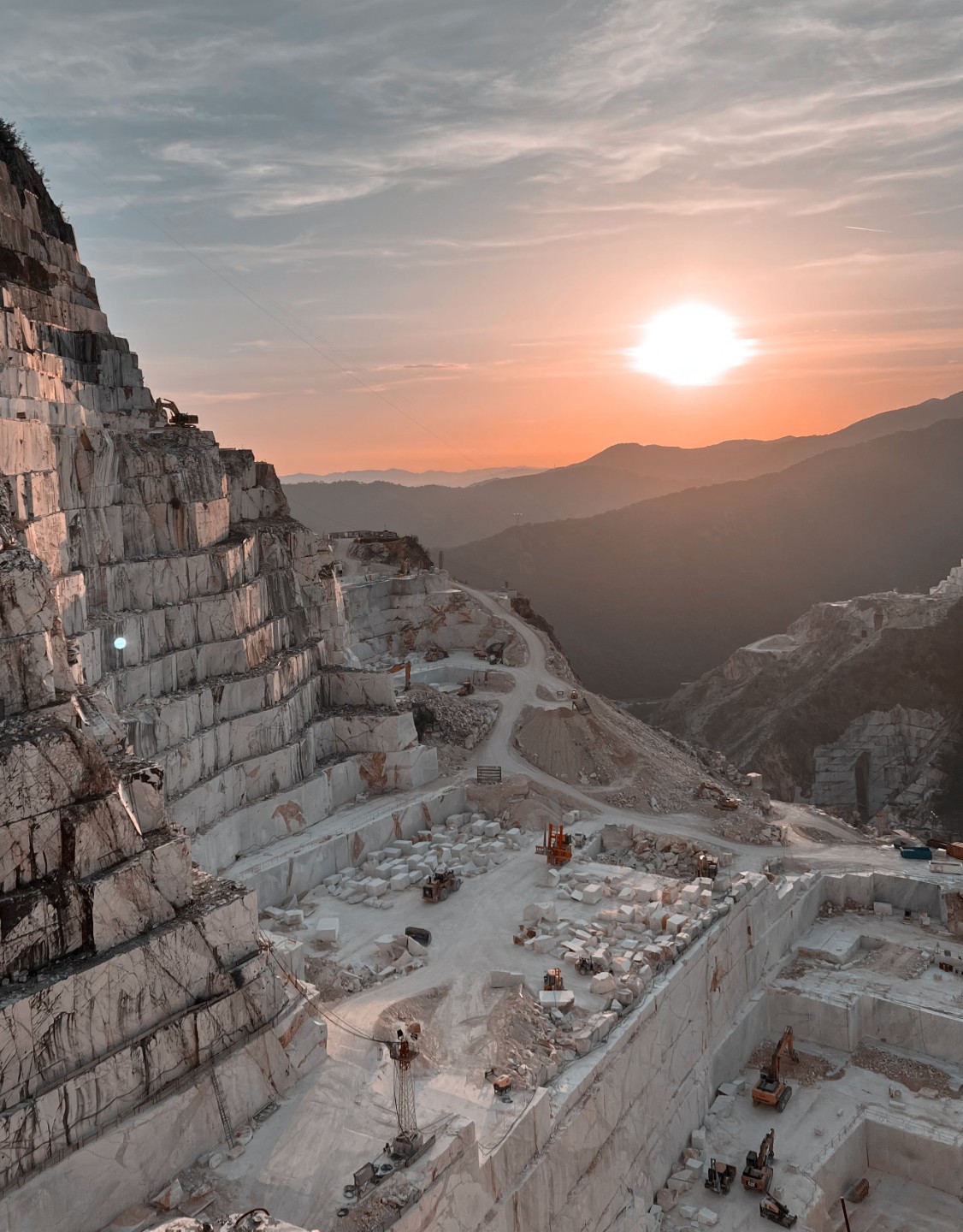
Where Marble Begins: the Carrara Quarries, a Journey through History, Craftsmanship, and the Landscape of Ancient Architecture
There are places where a natural resource becomes identity, landscape, language, and culture. Carrara is one of these places. For millennia, its name has been strictly connected to the word marble: not simply because one of the world's most famous stones is quarried here, but because an entire system of knowledge, skills, and production practices has developed around it. This is the so-called know-how of Carrara marble: a technical and cultural heritage that brings together quarry workers, blocks cutters, polishers, artisans, and designers within a unique supply chain in the world.
 BLOG
BLOG
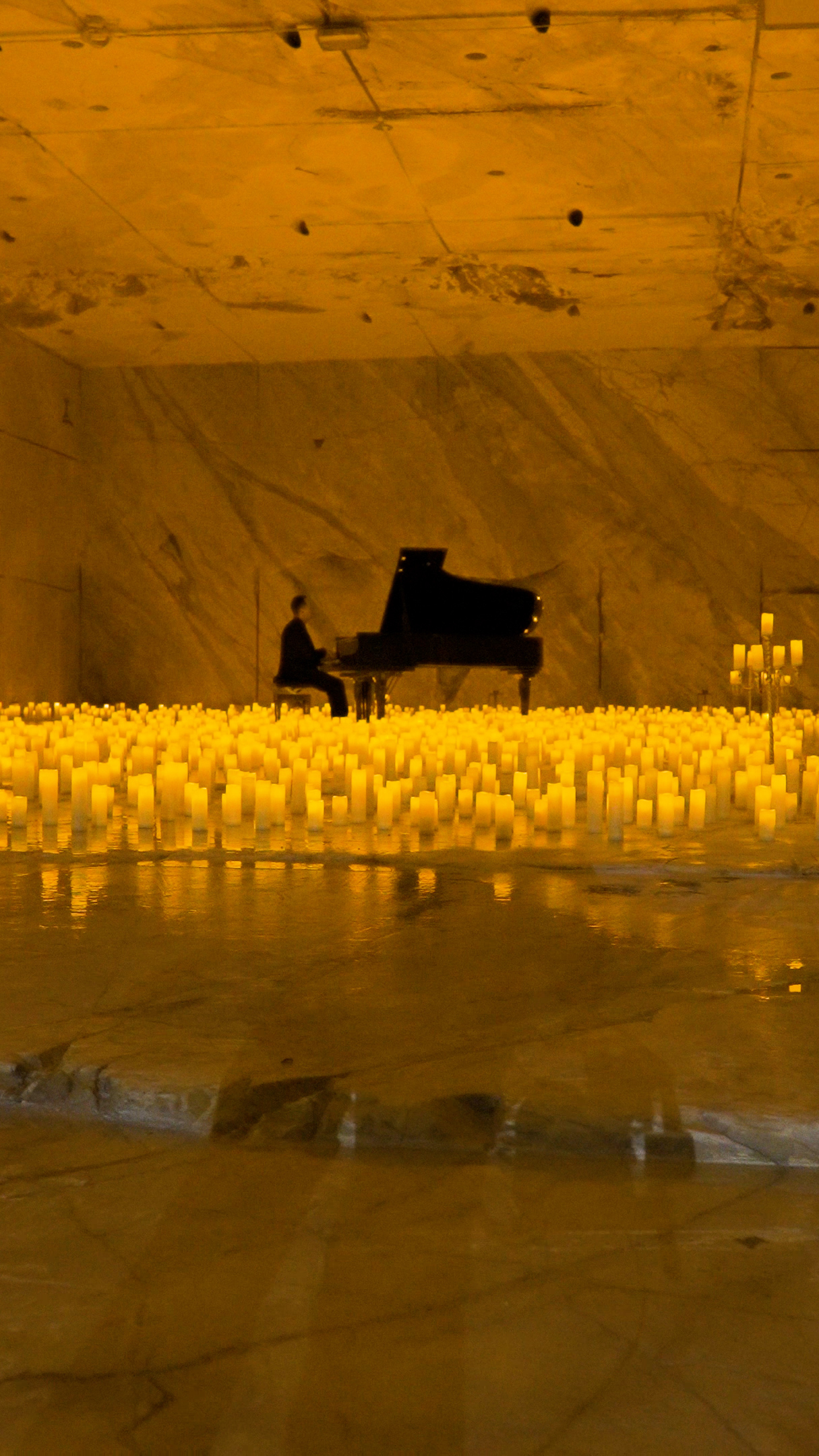
Wunderkammer2: in Carrara, Crestola quarry becomes a museum of light, marble, and robotics
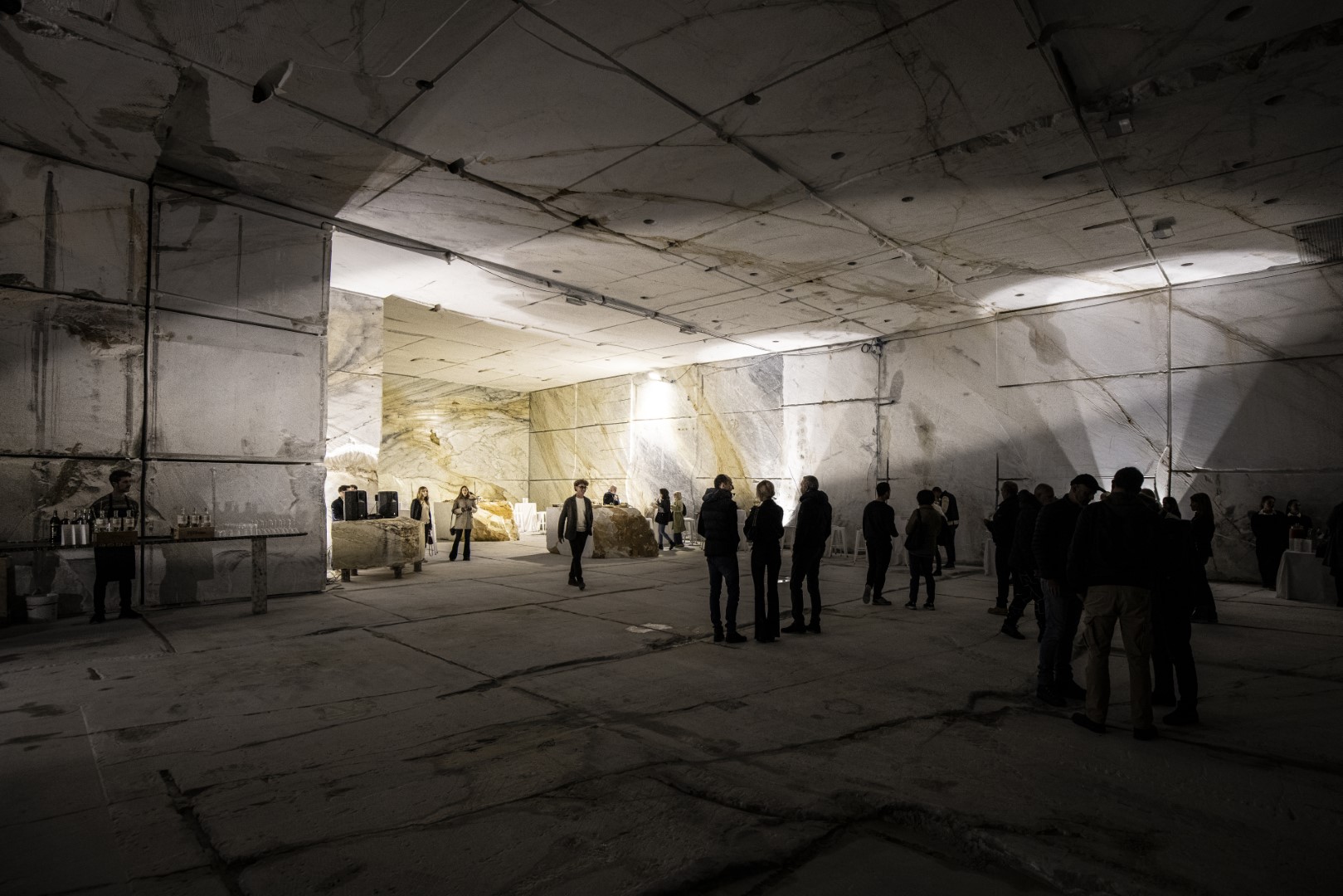
In Carrara, the Crestola quarry hosted the second edition of Wunderkammer, a project that transformed the quarry space into a temporary exhibition dedicated to the dialogue between contemporary art and marble landscape. This project by Franchi Umberto Marmi, held on April 19th, 2026, combined contemporary art, technology, and Apuan marble in a journey of knowledge for international architects and designers.
 STORIES
HAPPY HOLIDAYS 2025
Wishing you a joyful Holidays and a New Year full of beauty and inspiration.
 BLOG
BLOG
Sustainability Report 2024
Sustainability remains a core principle that continues to guide our company across the entire value chain. Building on the foundations laid with our first Sustainability Report, this second edition further strengthens our commitment and illustrates the progress achieved over the past year.
This updated document presents the evolution of our sustainability journey and highlights how every part of our supply chain continues to contribute to this shared objective through concrete actions and increasingly integrated practices.
 BLOG
BLOG
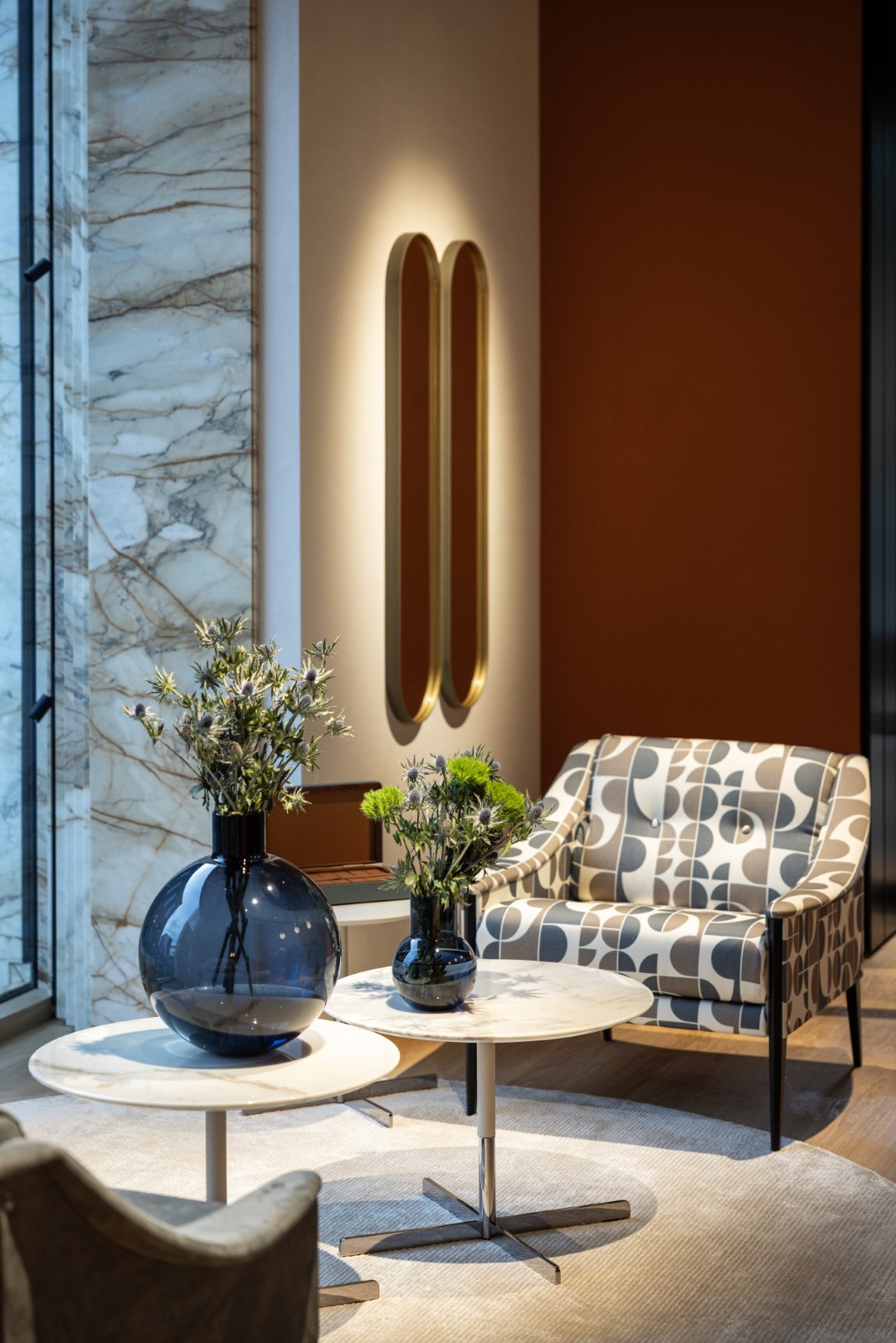
The new Poltrona Frau monobrand store opens in Carrara
Poltrona Frau inaugura il suo nuovo store monobrand a Carrara, città simbolo del marmo italiano nel mondo. Un progetto che unisce design, architettura e tradizione manifatturiera d’eccellenza, firmato dall’architetto Michele De Lucchi, tra i più autorevoli protagonisti della scena architettonica internazionale.

 BLOG
BLOG
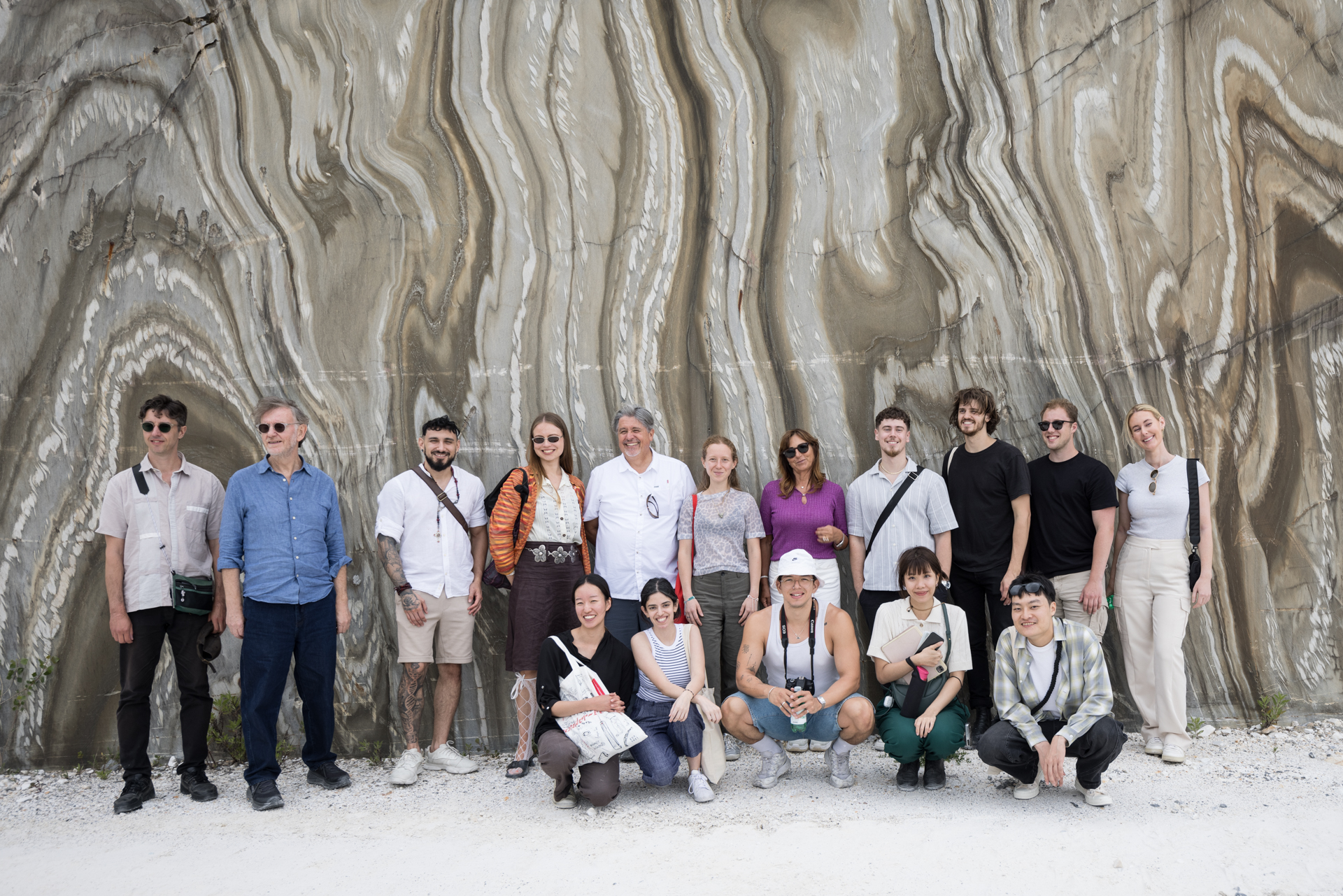
Higher Education and Knowledge: FUM Academy and YACademy together for two days of close encounter between great Architecture and Carrara marble
The educational visit that took place on the 4th and 5th of June at FUM headquarters in Avenza was of great relevance and importance: a select group of 16 architects enrolled in the Post-Graduate Master by YACademy dedicated to Spiritual Architecture enjoyed the unique experience of two days of close encounter with Carrara marble, appreciated and recognized as excellence throughout the whole world.
 BLOG
BLOG
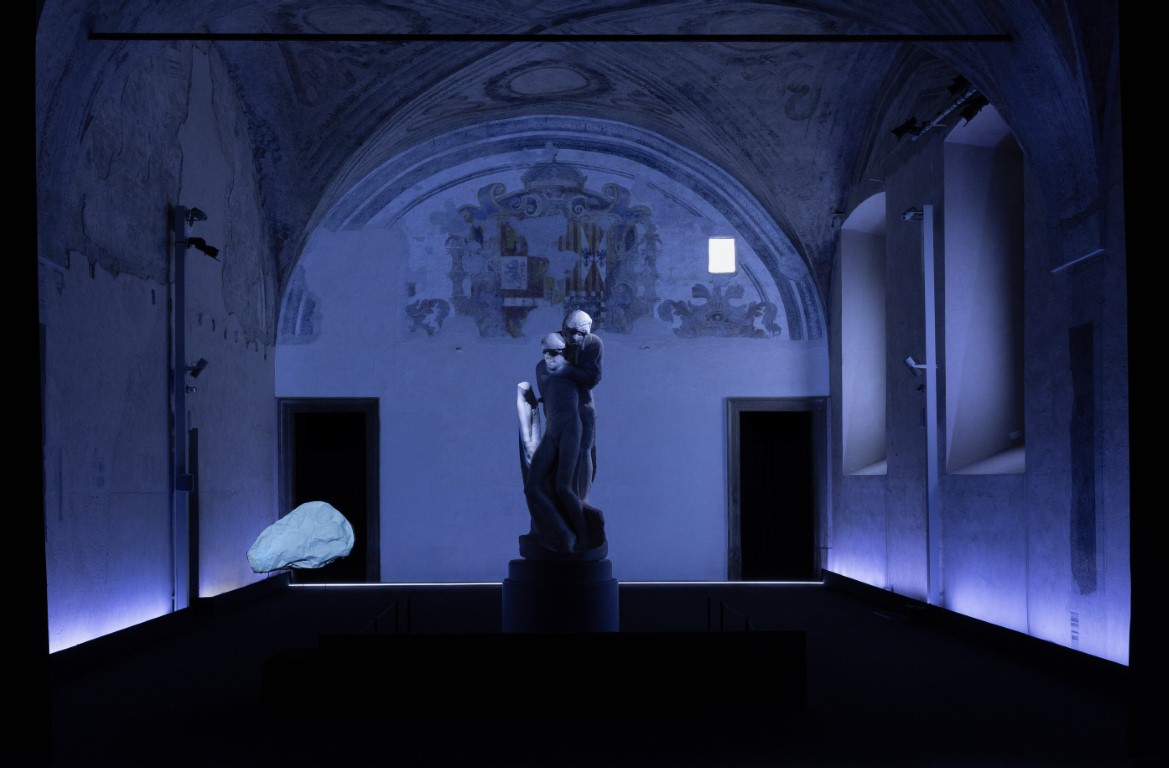
Mother by Bob Wilson: Michelangelo's Rondanini Pietà and the sublime of the unfinished
The Rodanini Pietà is a marble work that Michelangelo sculpted for the first time between 1552 and 1553 and then worked on it again between 1555 and 1564, probably until a few days before his death, leaving it incomplete.
Kept until 2015 inside the Sforza Castle Museum in Milan, it was then moved and can now be admired inside the ancient Spanish Hospital in the Castle’s Cortile delle Armi, in a room designed by architect Michele De Lucchi.
 BLOG
BLOG
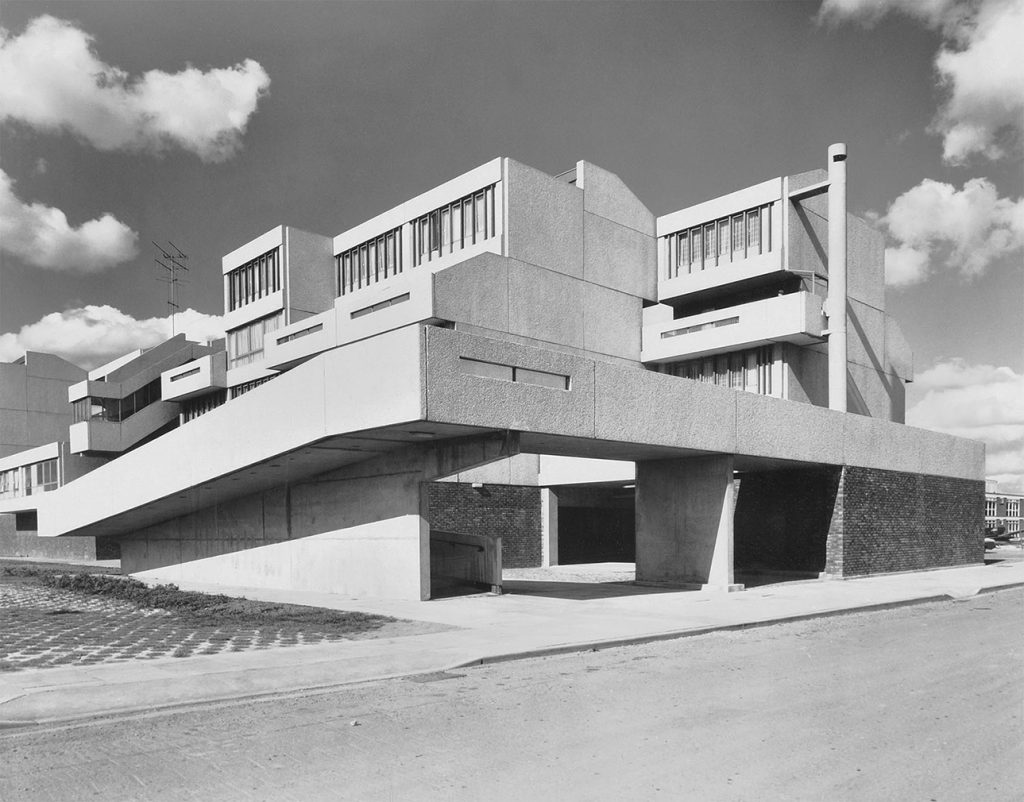
The Brutalist architecture in movies and TV Series
This architectural movement that started from England and established itself all over the world in the 1950s is now becoming a protagonist in the media
 BLOG
BLOG
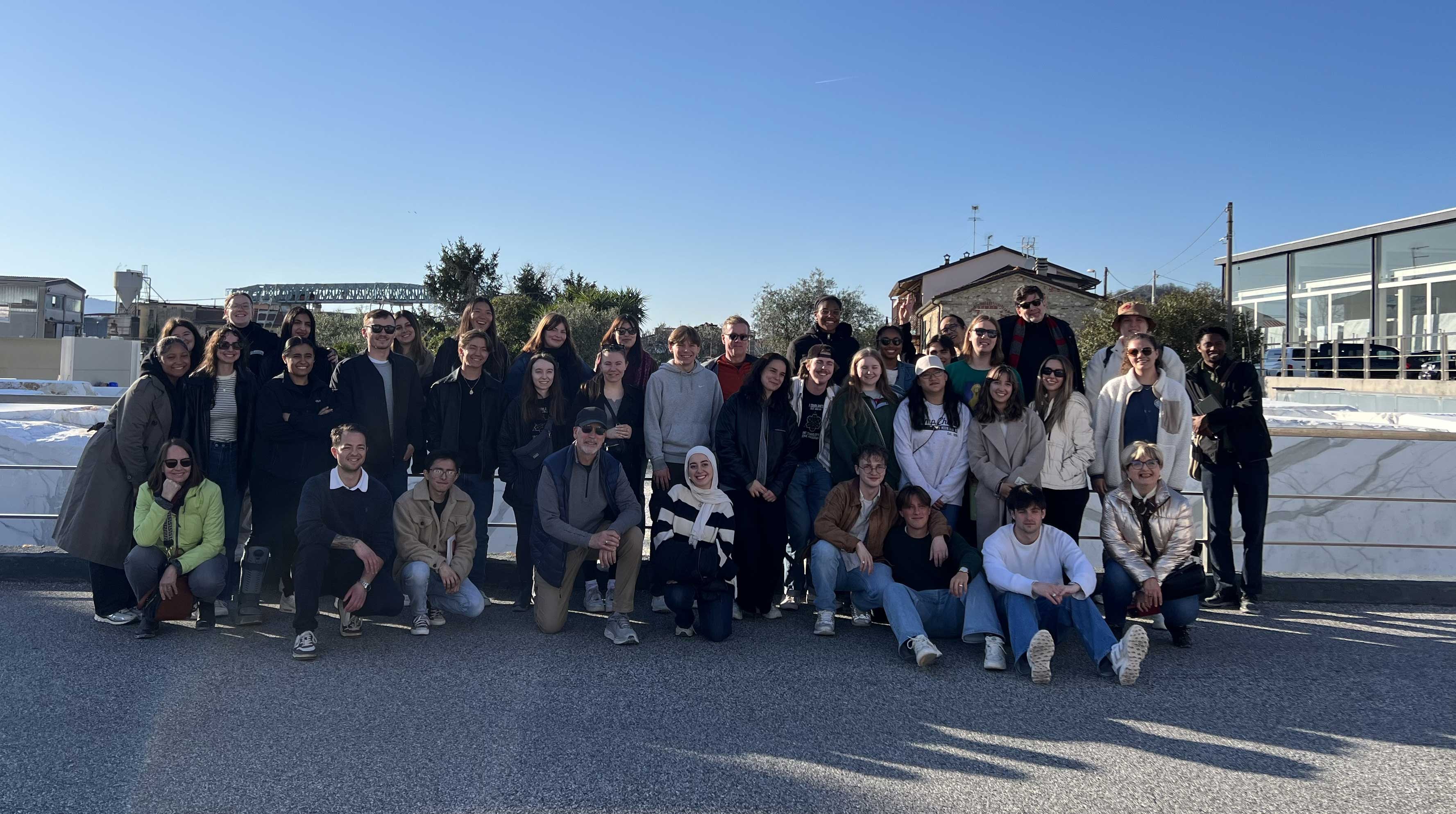
Franchi Umberto Marmi hosted thirty-six young architects from the UNC
Thirty-six young architects from UNC (University of North Carolina), based in Charlotte, come to visit Franchi Umberto Marmi from the USA to live an up-close experience with Carrara marble
 STORIES
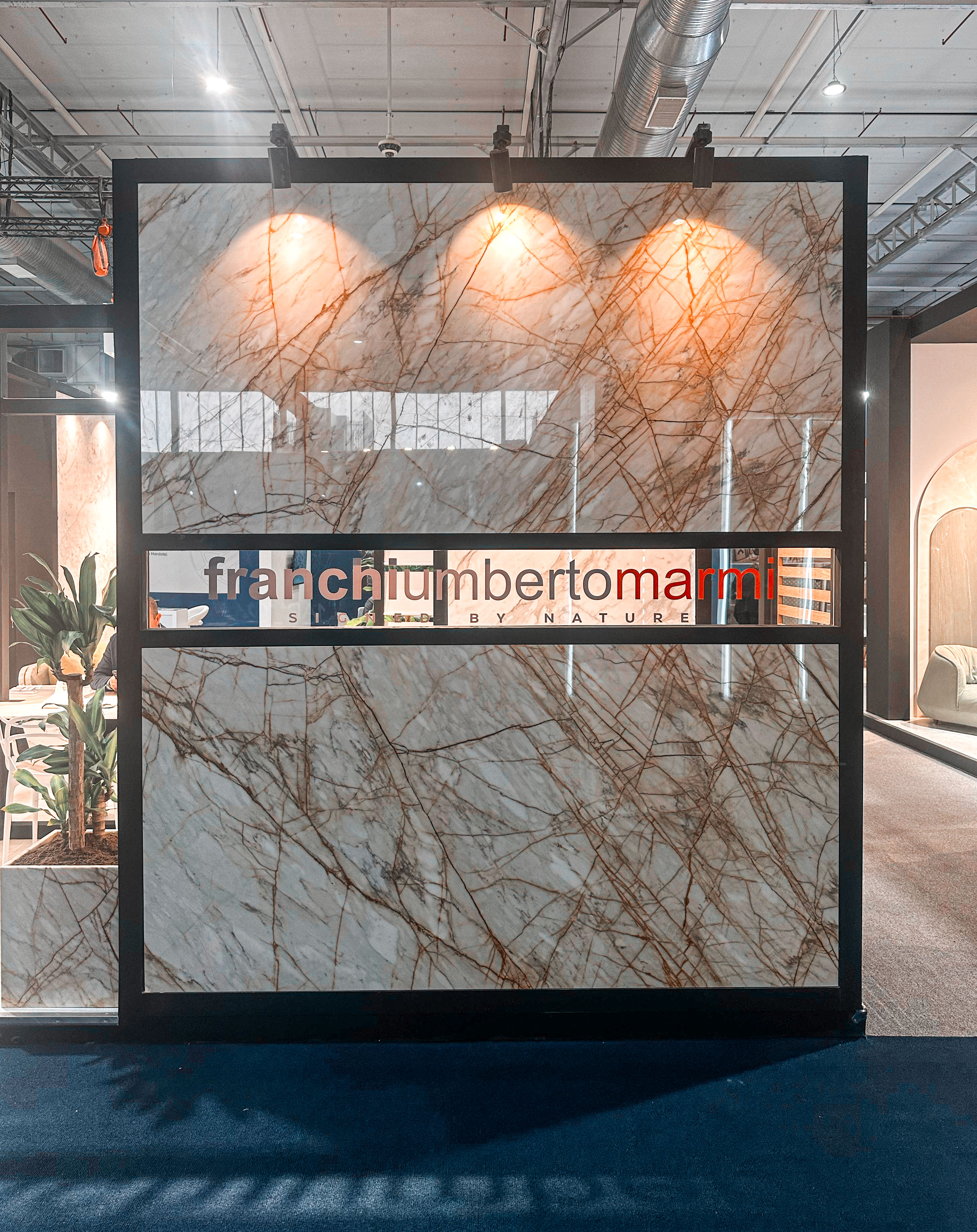
Stone & Surface Ryad - Saudi Arabia 2025
The Big 5 Construct Saudi in Riyadh is the leading event for the construction sector.
 STORIES
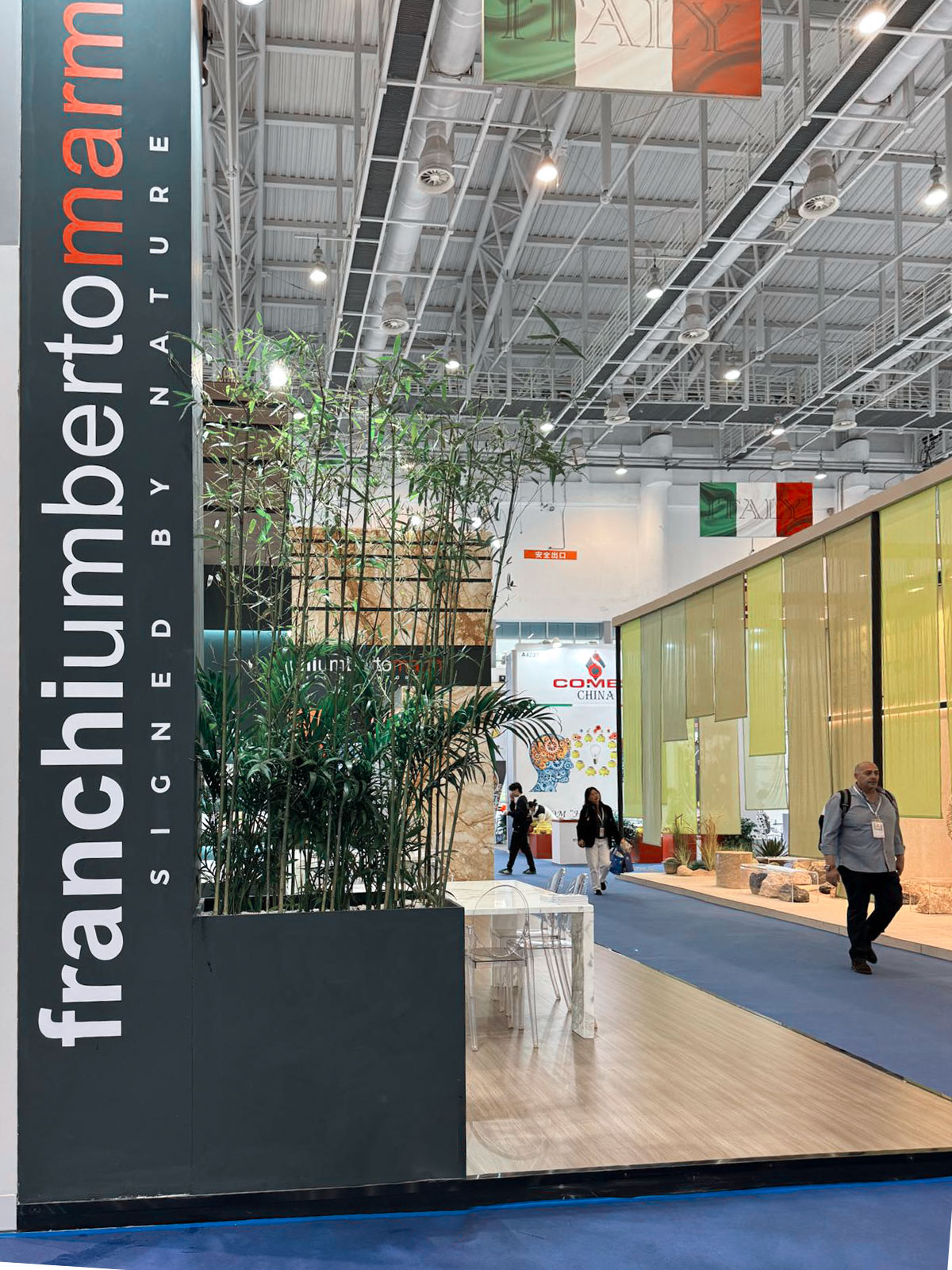
XIAMEN INTERNATIONAL STONE FAIR - China 2025
The China Xiamen International Stone Fair 2025 is held annually in Xiamen, Fujian Province, attracting participants from around the world, including exhibitors, buyers, industry experts, and visitors.
 BLOG
BLOG
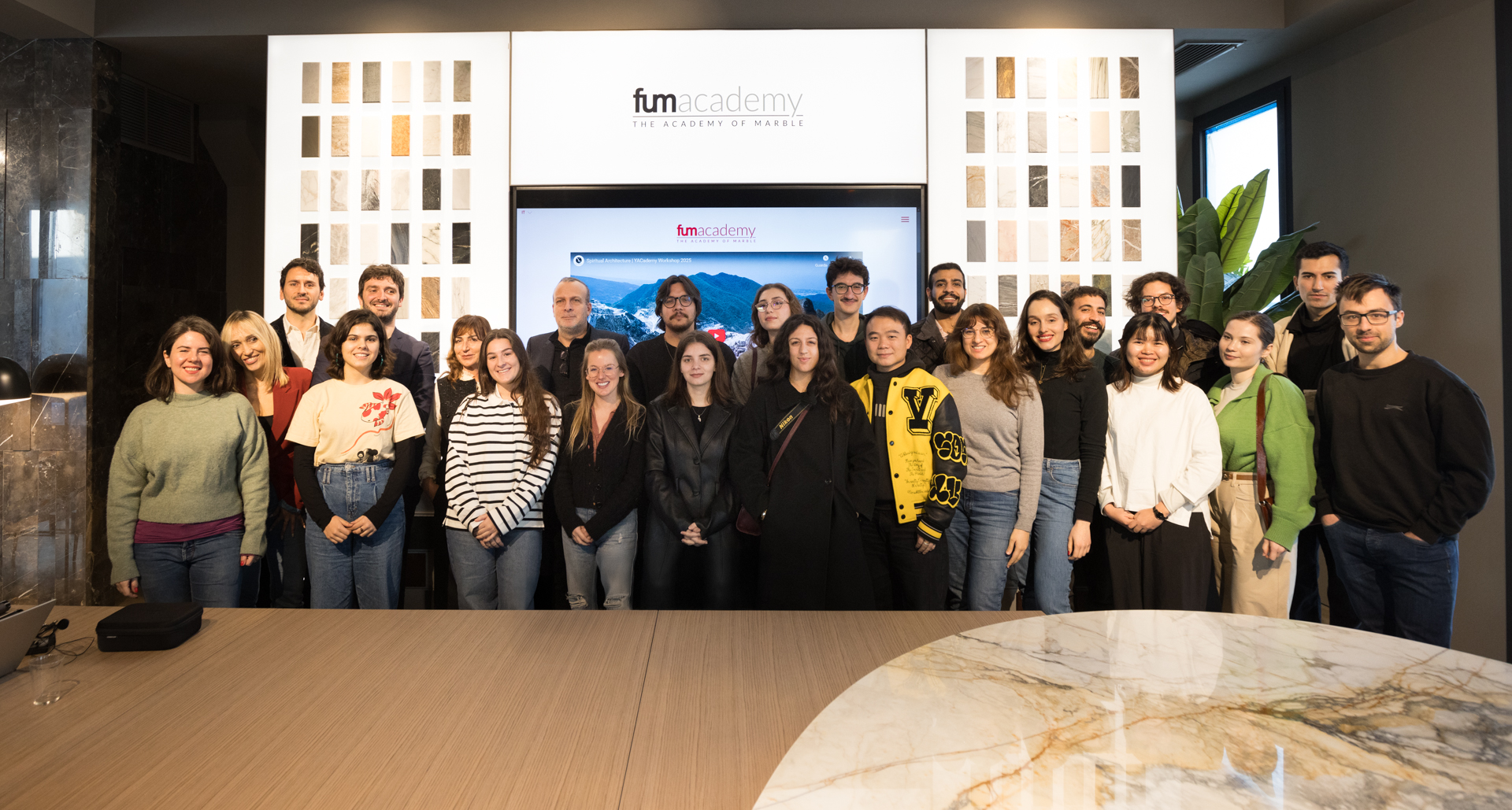
FUM Academy: A New Chapter in Marble Education
On February 7th, FUM Academy reached a significant milestone with the inauguration of its new educational space dedicated to the study of marble and its applications. We were honored to welcome architect Giuseppe Zampieri from David Chipperfield Architects, who shared his insights and expertise with the students of the Master in Architecture for Landscape by YACademy.
 BLOG
BLOG
Supernatural: Architecture and Marble: a Well-functioning Match
Il 4 e 5 ottobre Franchi Umberto Marmi, in media partnership con il magazine IQD, ha organizzato un importante evento, accogliendo presso la propria sede un nutrito gruppo di architetti provenienti da alcuni degli studi top italiani e proponendo loro un incontro ravvicinato col marmo di Carrara e con quanto gravita attorno ad un materiale che sta conoscendo una nuova stagione d’oro, non solo da un punto di vista commerciale, ma anche in termini di apprezzamento da parte della comunità dei progettisti, sempre in cerca di nuovi stimoli e input innovativi da sviluppare.
 BLOG
BLOG
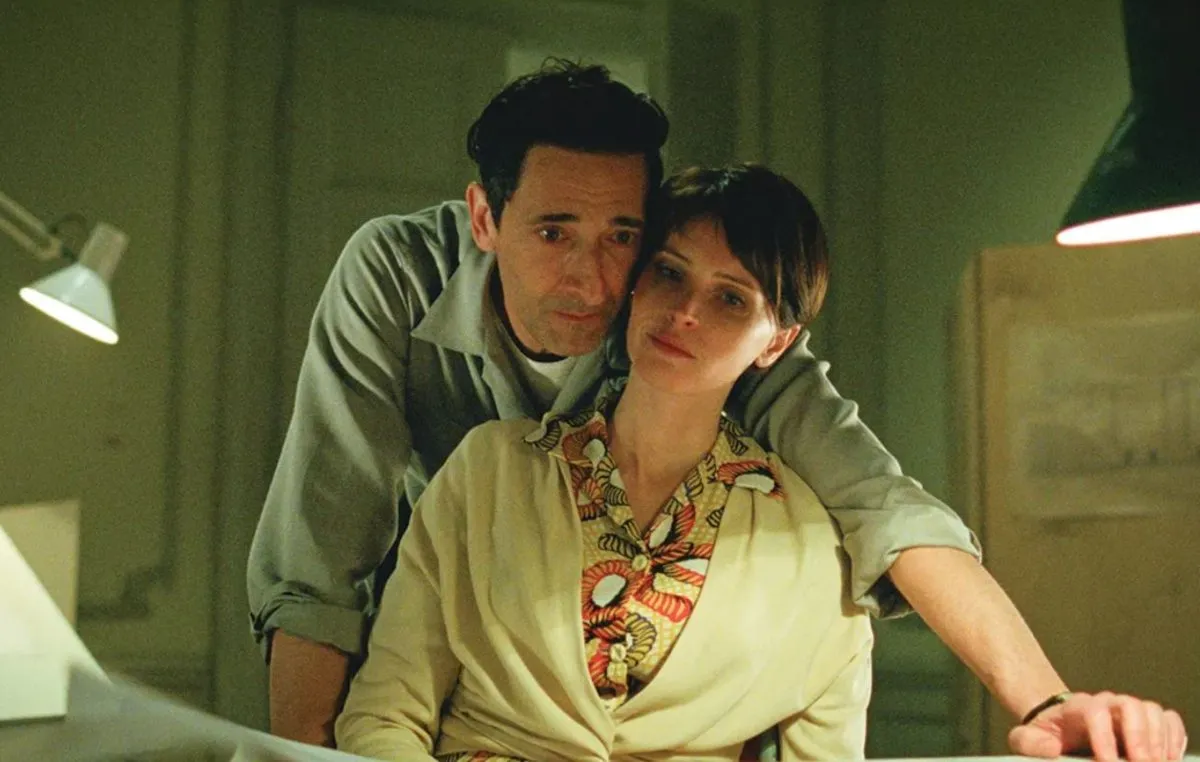
The Brutalist: Adrien Brody in the Carrara Quarries - In theaters from January 23 2025
La pellicola, in odor di premiazione alla Mostra del Cinema di Venezia 2024, narra la storia di László Toth (interpretato da Adrien Brody, premio Oscar 2003 come miglior attore per Il Pianista), un architetto ungherese ebreo che, scampato alla persecuzione antisemita, arriva nel 1947 negli Stati Uniti assieme alla moglie.
 BLOG
BLOG
FUM ACADEMY: PEOPLE AND KNOWLEDGE AT THE CENTER
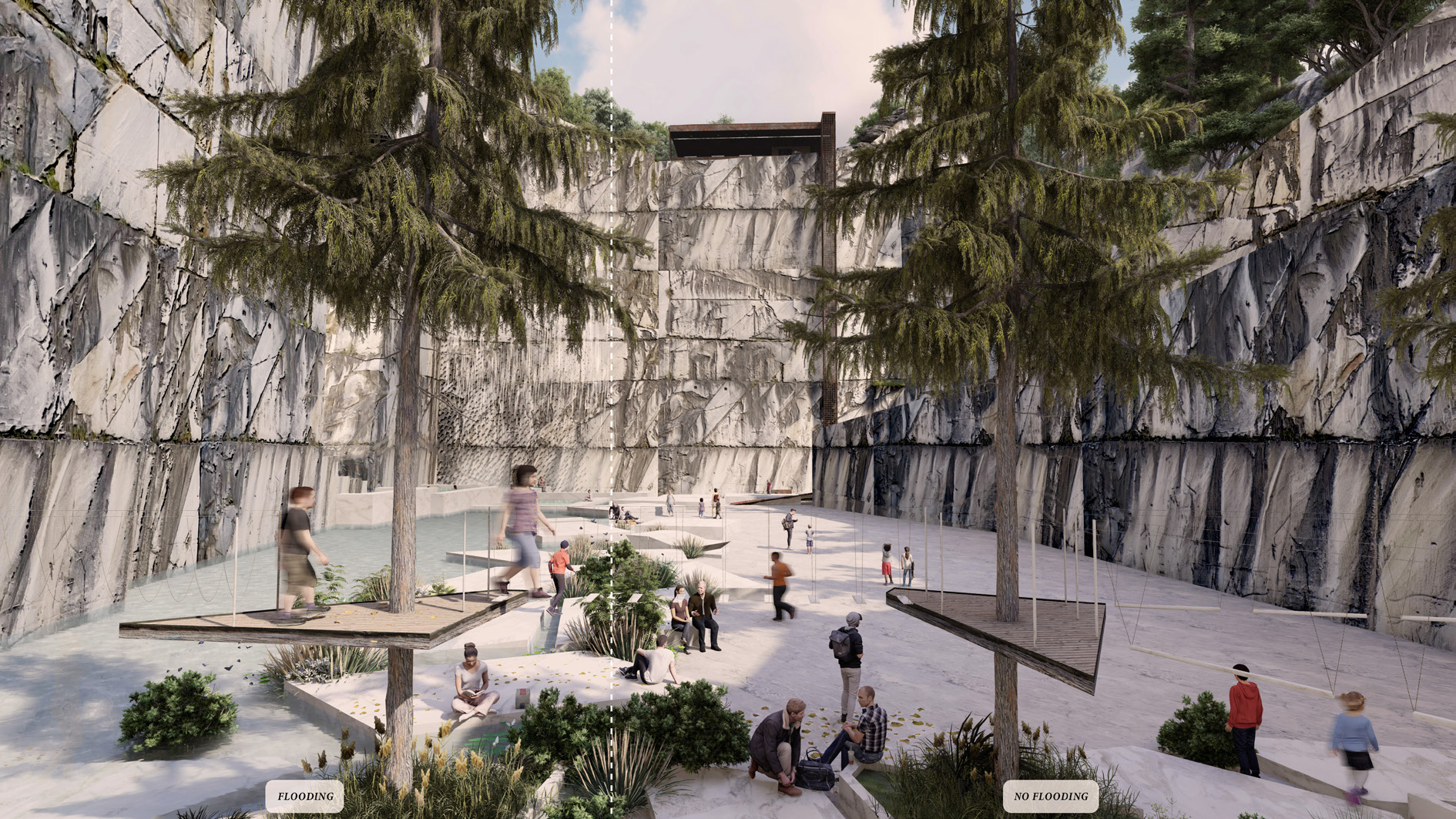
After first course in “Architecture for the Landscape,” FUM relaunches partnership with YACademy again for 2024
 STORIES
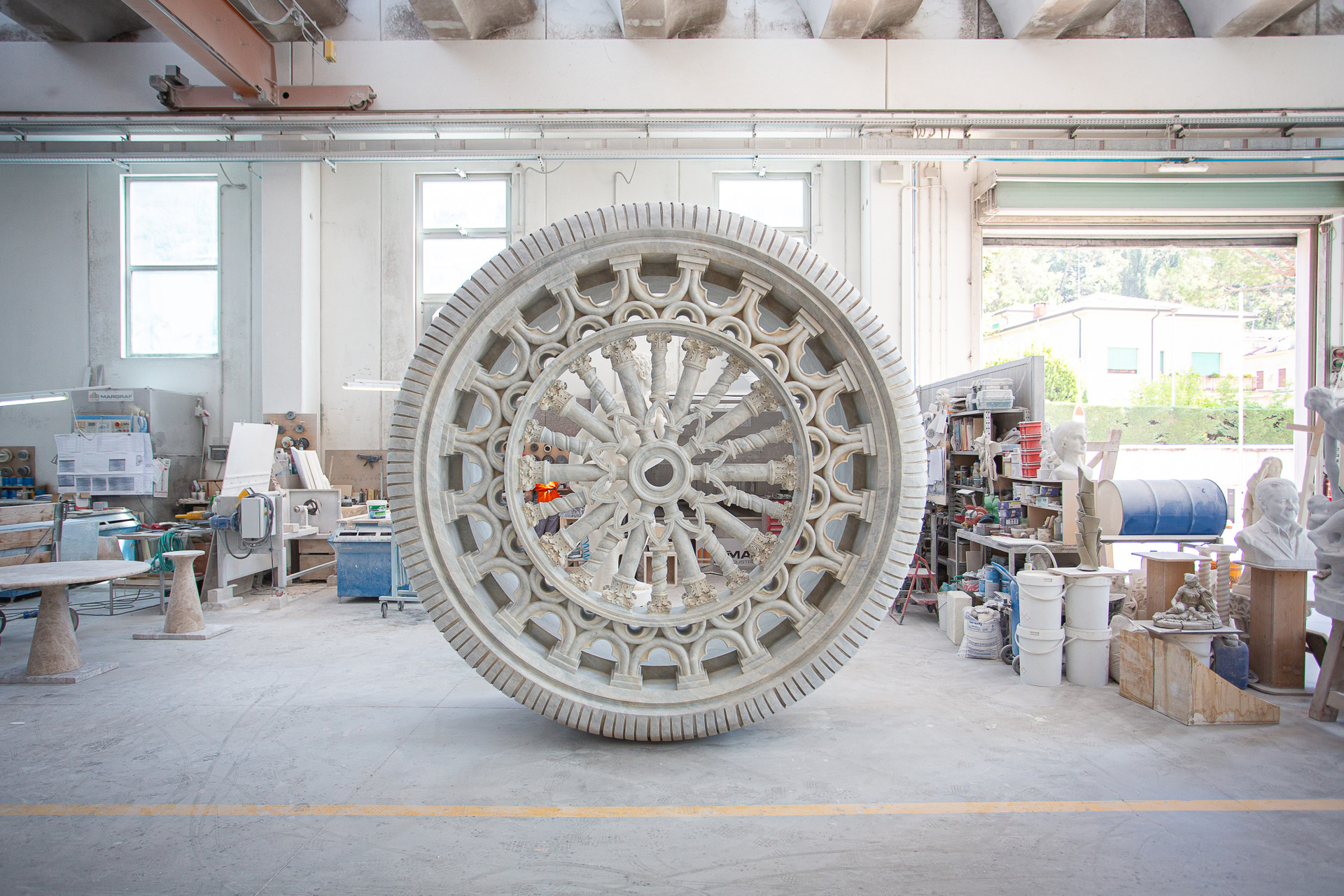
The new artwork of Fabio Viale: a wheel with a marble rose for a Miami car dealership
The new artwork of Fabio Viale: a wheel with a marble rose for a Miami car dealership
 BLOG
BLOG
Carrara marble and Cinema
Sono numerosi i film girati a Carrara con protagoniste le cave e il marmo. Ne abbiamo selezionati tre tra i più celebri.
 BLOG
BLOG
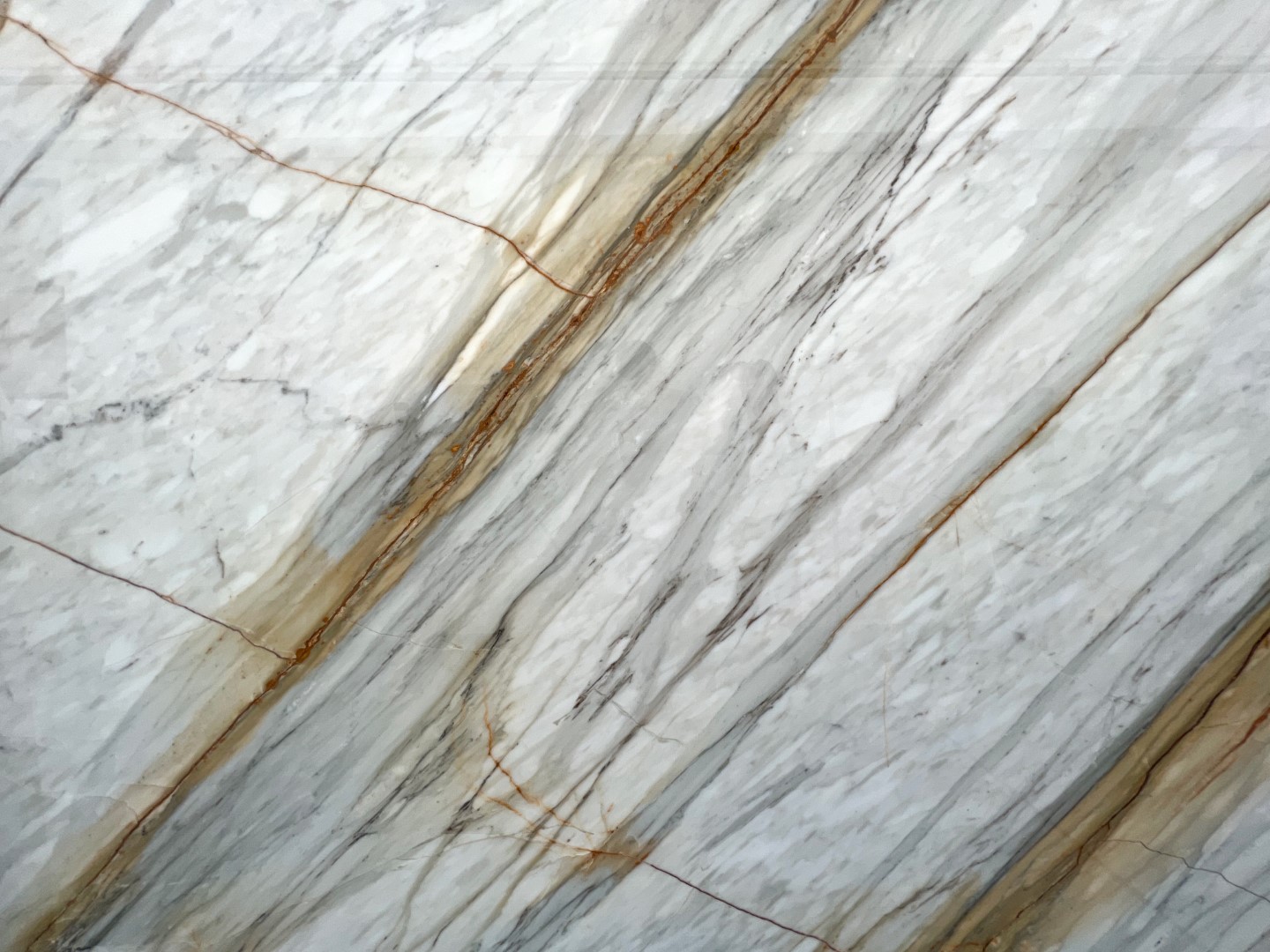
Why we use the terms “Calacatta” and “Bettogli”
Il marmo di Carrara ha una storia millenaria che affonda le radici all’epoca romana quando
era comunemente noto come marmo lunense.
 BLOG
BLOG
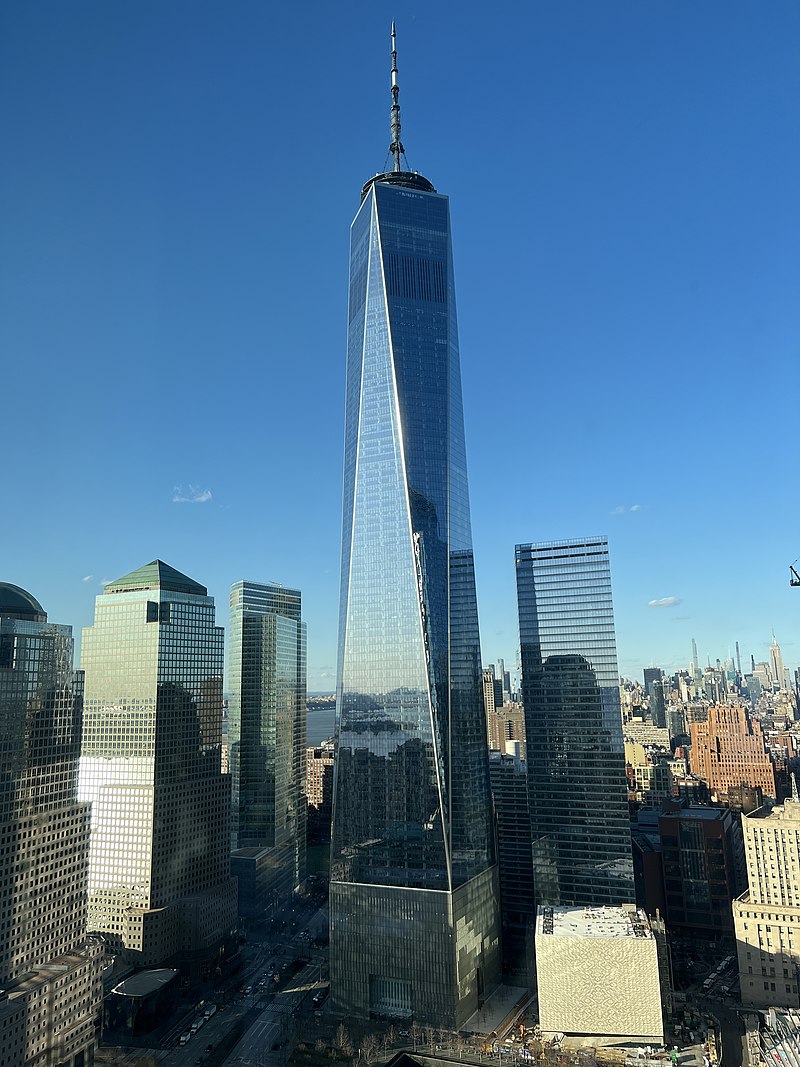
Stories: Carrara Marble for the Freedom Tower
Esattamente dieci anni fa nel 2013 veniva inaugurata la Freedom Tower, la torre simbolo del New World Trade Center, il complesso ricostruito dopo i tragici attacchi terroristici dell’11 settembre 2001.
 BLOG
BLOG
5 of the most famous Carrara marble achitectural works in the world
Carrara marble has been used in architecture for centuries. It is rooted in the Roman age with the first architectural uses and the artistic ones. Over two thousand years of history have given humanity architectural masterpieces made of marble throughout the ages. From the religious to the civil context, passing through major works privately commissioned.
 BLOG
BLOG
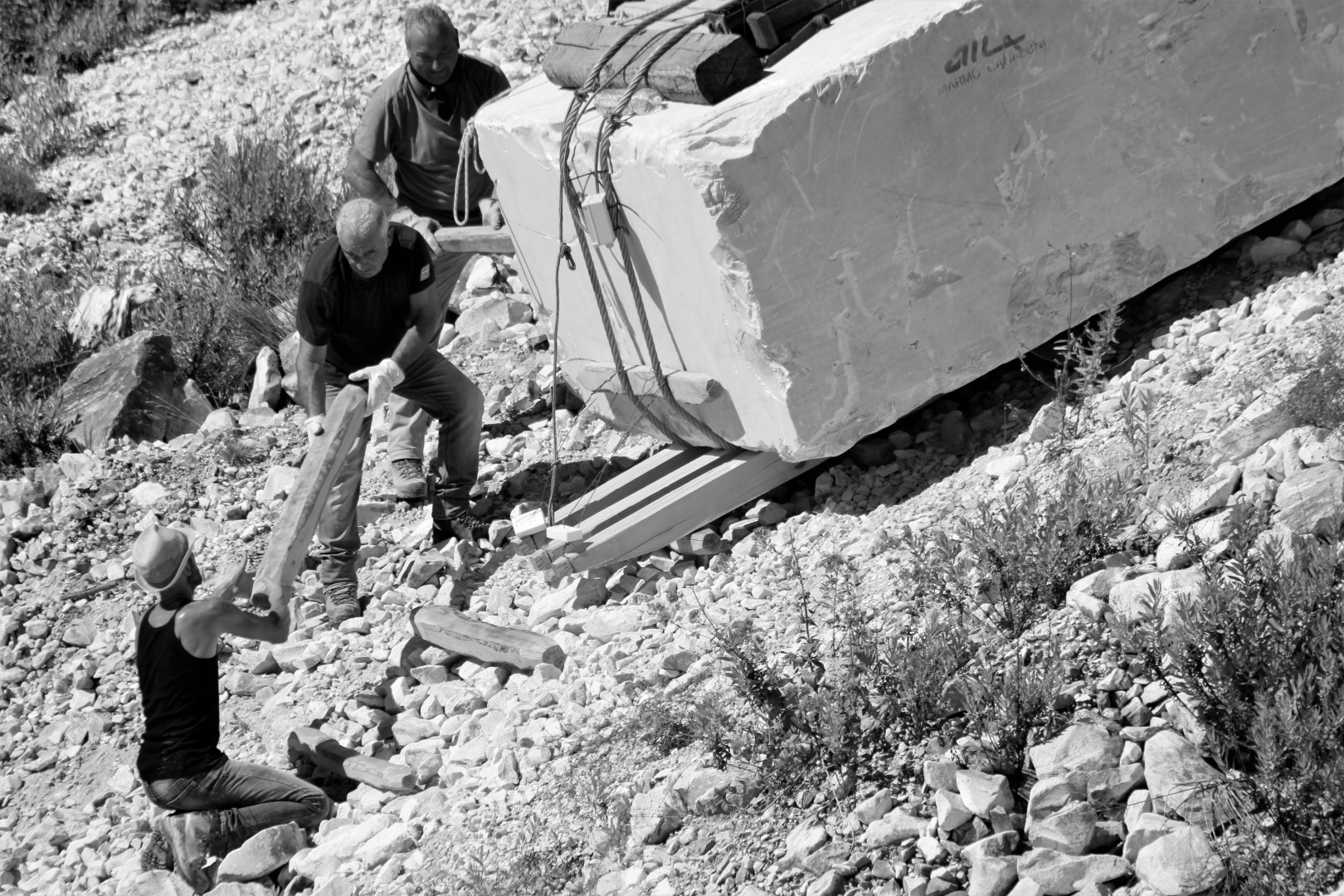
Lizzatura storica - Ponti di Vara
Before the use of trucks, "Lizzatura" was the only way to transport marble blocks down towards the valley, using a sled called "lizza"
 STORIES
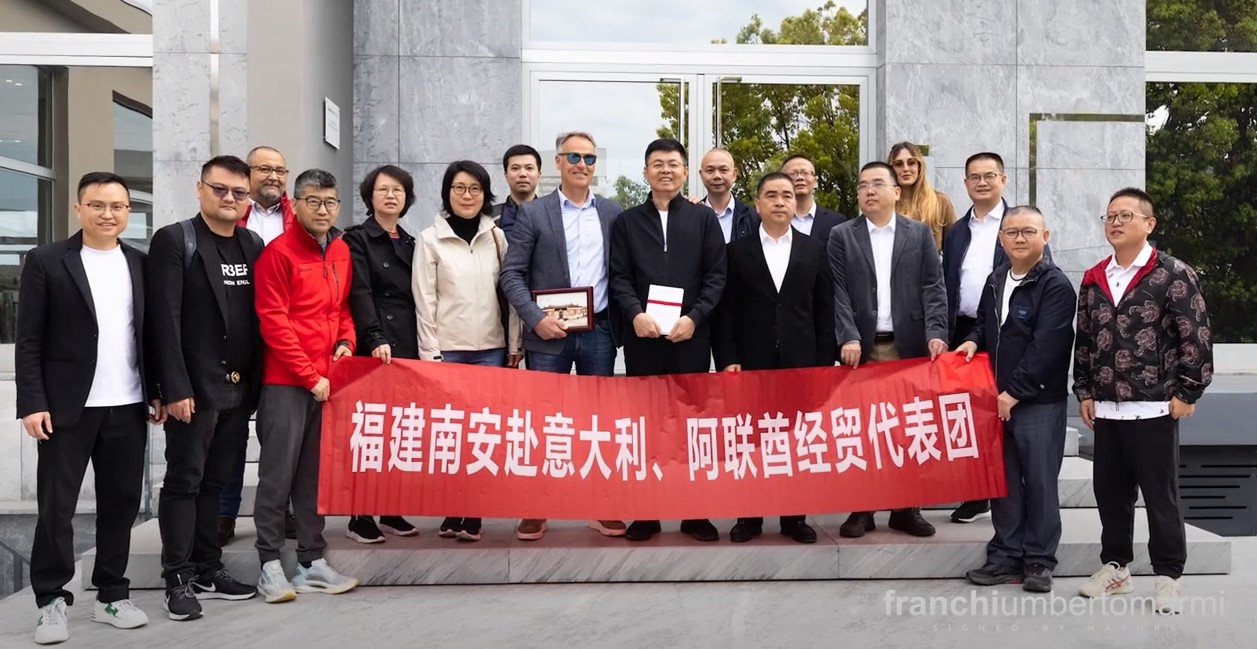
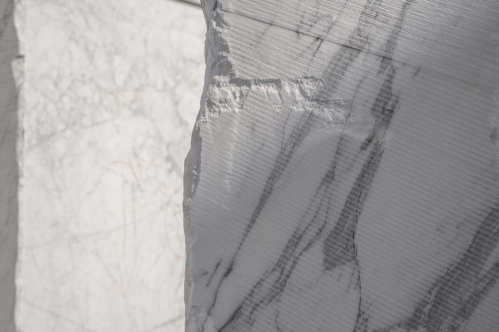
FUM - NAN'AN CITY - 15 years together
To celebrate 15 years of collaboration with Franchi Umberto Marmi, the mayor of Nan'An City, Mr. Wang Lian has taken the Economy and Trade Delegation to visit our headquarters
 BLOG
BLOG
SUSTAINABILITY REPORT AND ESG GOALS
Nowadays, a Company in order to bear the seal of sustainability must take on precise criteria of self-assessment with respect to different impacts, that is, measuring its rating against values related to ESG principles: Enviromental, Social and Governance.
 STORIES
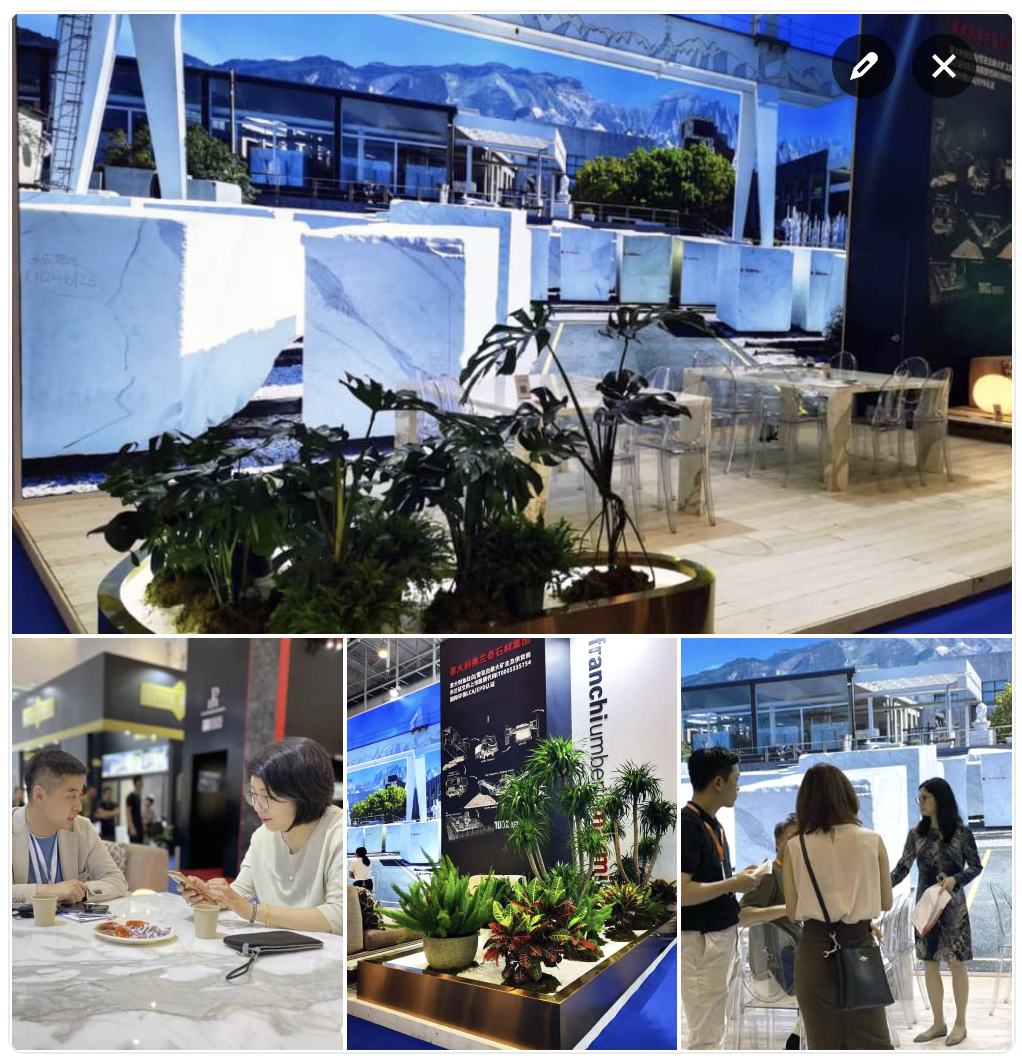
Franchi Umberto Marbles returns to the China @Xiamen International Stone Fair 2023
Xiamen International Stone Fair 2023 from June 5th to 8th. You will find us at stand A 4021.
 BLOG
BLOG
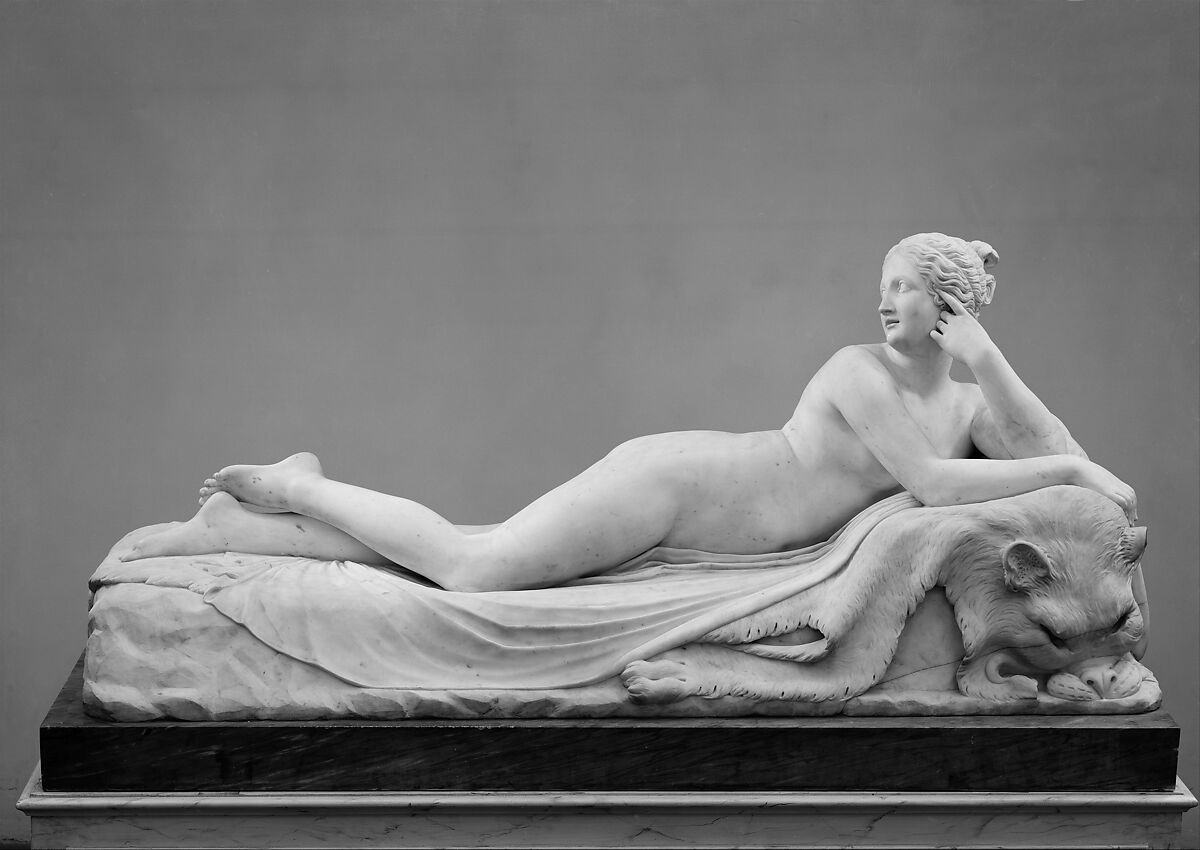
Why is Carrara marble so famous worldwide?
Carrara marble is famous all over the world for its unique features and it is associated with the most important architecture and art works.
 BLOG
BLOG
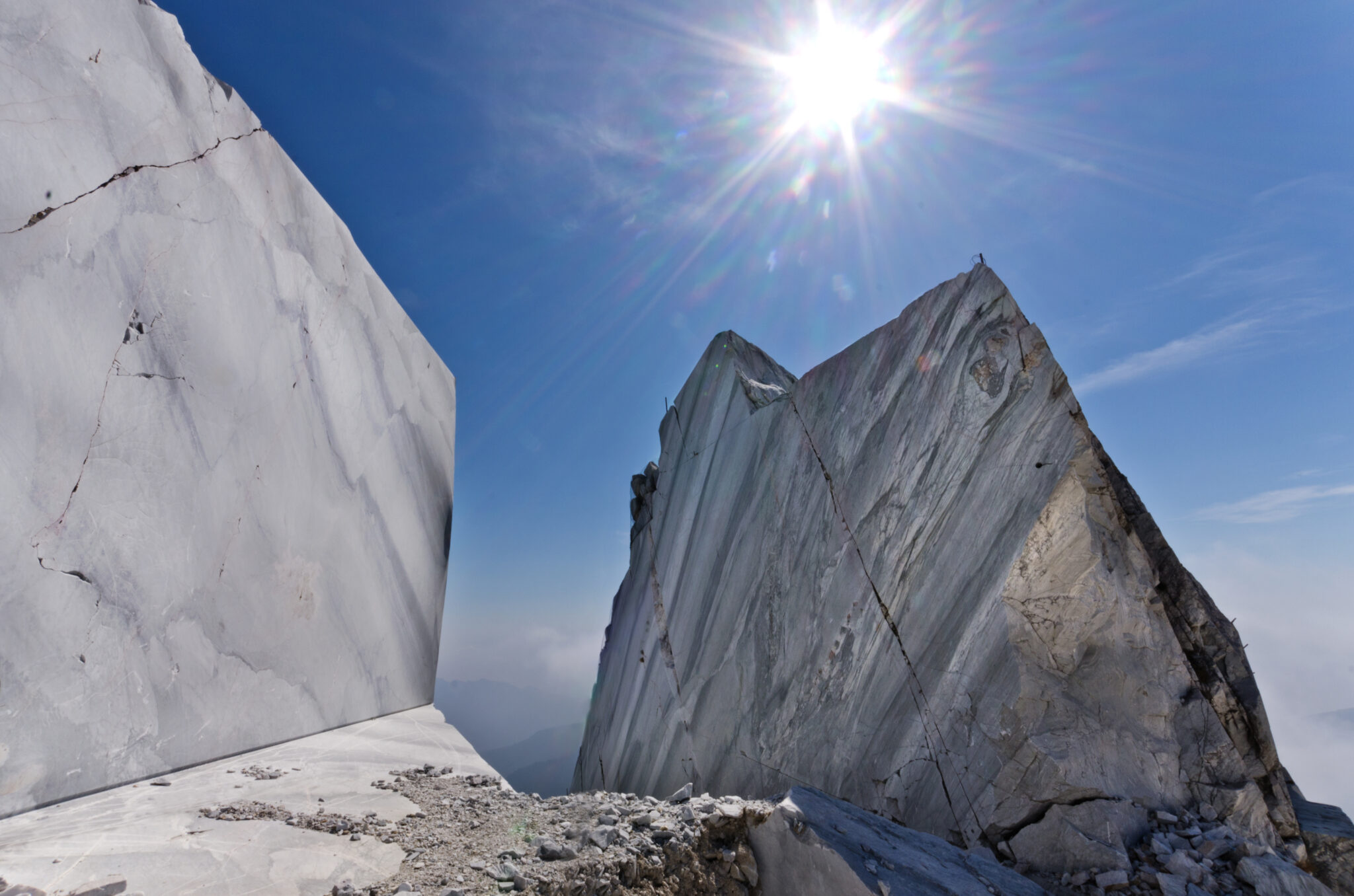
We are nature. The sustainability of the Natural Stone at Fuorisalone 2023
PNA Network - Pietra Naturale Autentica Network - was a protagonist in Fuorisalone 2023 with an installation positioned in the heart of Superstudio Più, in Tortona area.
 BLOG
BLOG
Sustainability and technology, the management of water resources
In questi decenni l’idea di sostenibilità ha spostato la sua lancetta dagli aspetti puramente ecologici a quelli più globali che comprendessero oltre a questi anche quelli umani, economici e sociali.
BLOG
From "Essere Marmo", the Carrara marble sustainability manifesto, "Marble narrates"
Cosa racconta il marmo?
Nel mentre che lo ammiriamo attraverso l’imponenza di un blocco, ma anche di una architettura contemporanea o di un monumento storico o, ancora, attraverso la sinuosità di una scultura, il marmo ci parla, ci trasmette emozioni e ci dona consapevolezza.
 STORIES
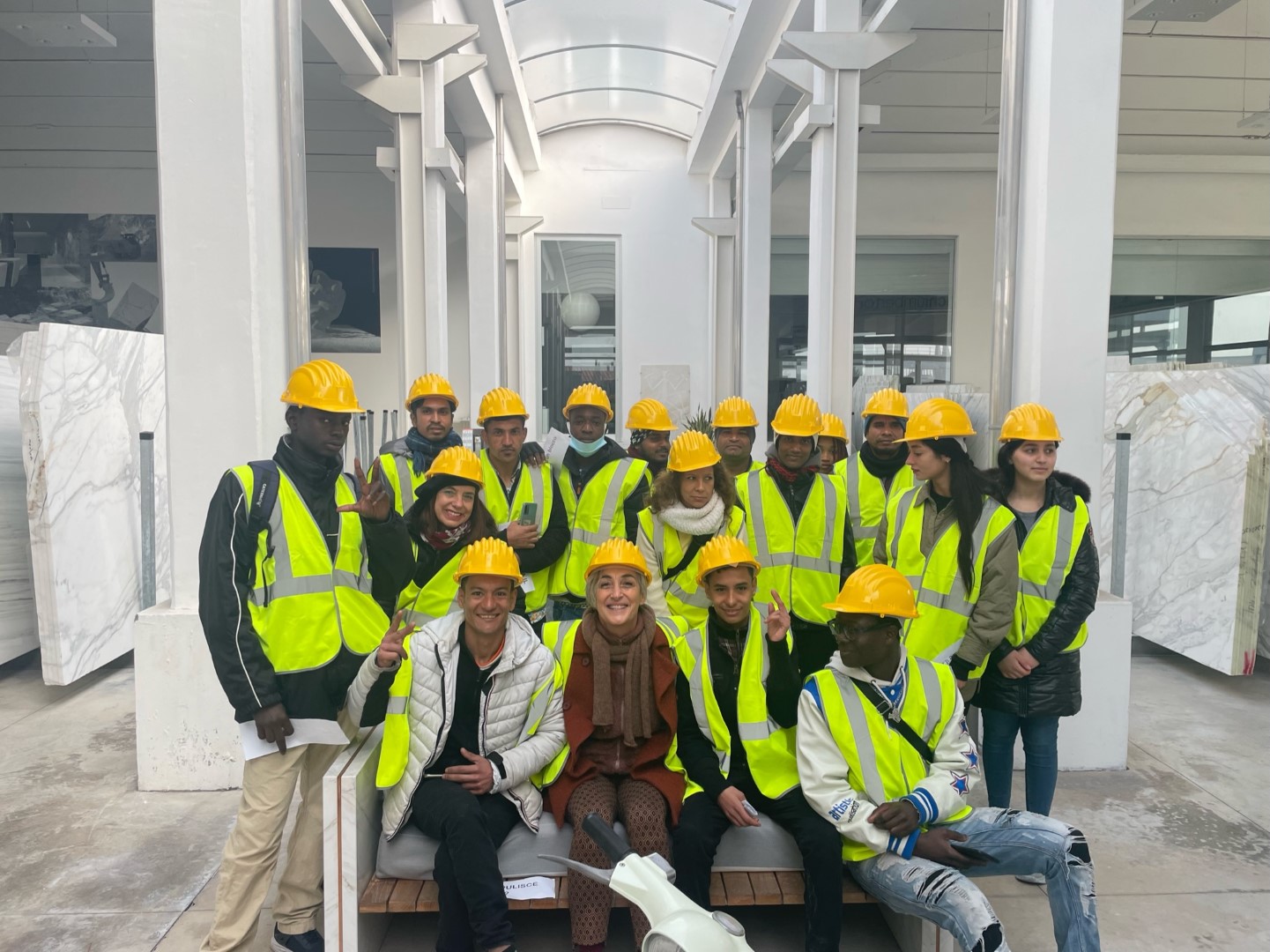
Marble words: 12 young asylum seekers visited the company
A group of 12 young asylum seekers and students from the Provincial Center for Adult Education of Massa Carrara (CPIA), an independent educational institution that creates a training offer for young people and adults who have not completed their compulsory education, visited the FUM headquarters in recent days.
 BLOG
BLOG
The tiles: marble in Europe from the 16th century
Although Carrara marble was already known for its uses in architecture and art, during the sixteenth century it experienced a new season of distribution throughout Europe thanks to the tiles commonly called "marmette" or "quadrette".
 BLOG
BLOG
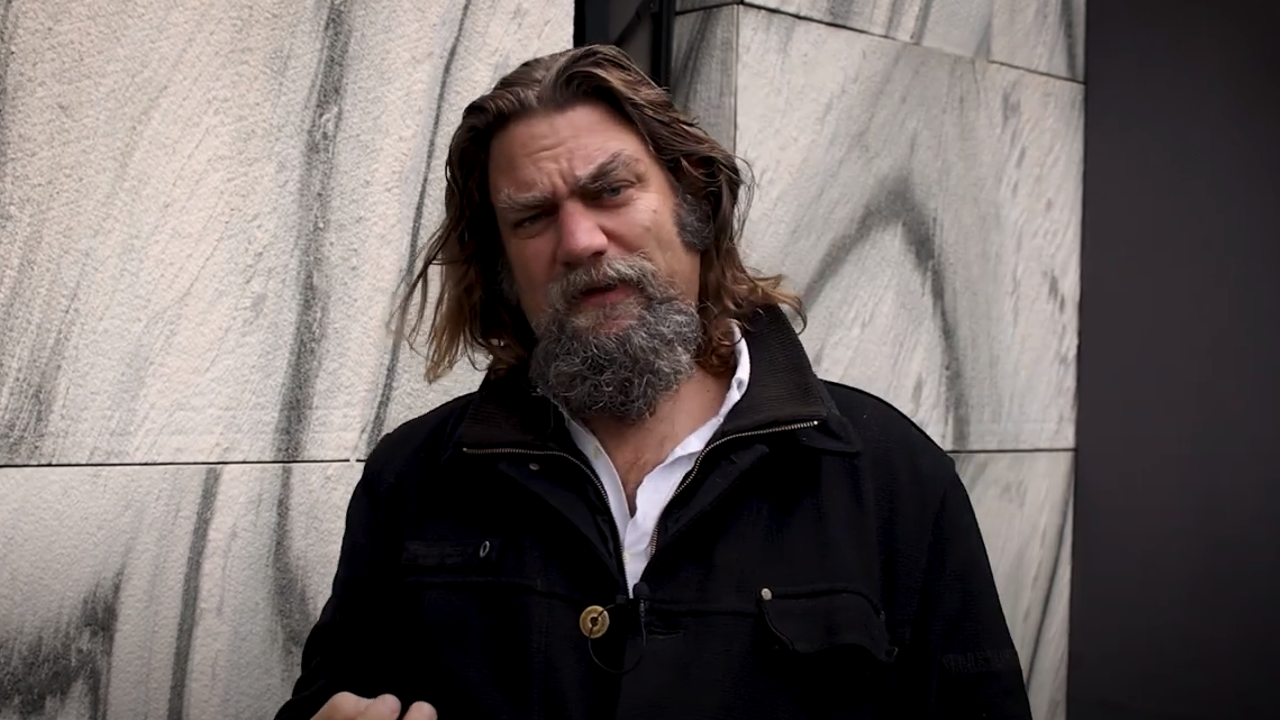
Marble professions: the yard supervisor Massimo Baruzzo
In the world of Carrara marble, every profession has its own specific name which often derives from ancient traditions and sometimes translation of dialect expressions.

 BLOG
BLOG
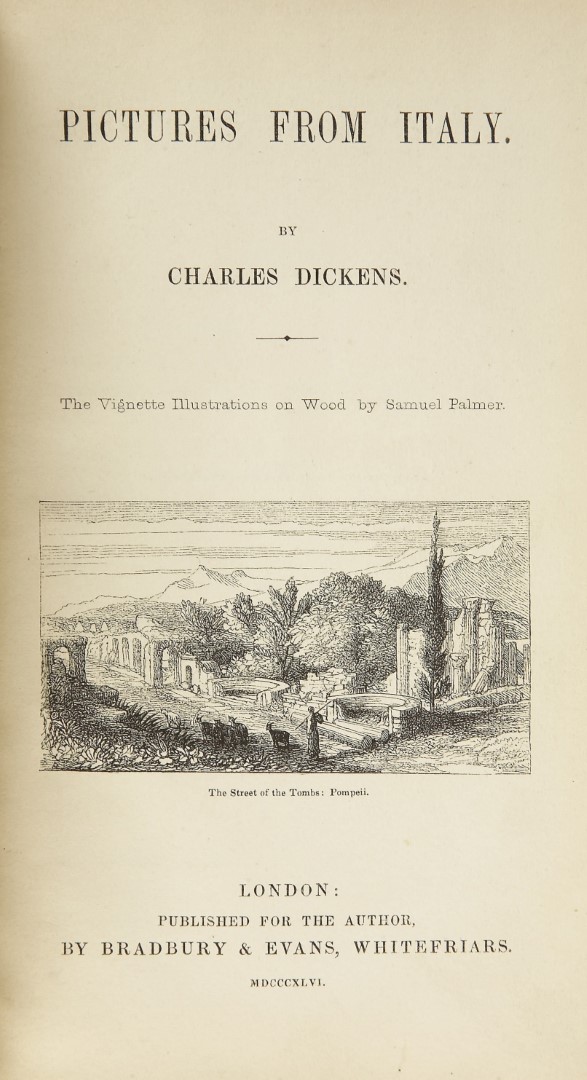
Carrara marble on the Grand Tours
Carrara marble is a cultural bridge that crosses boundaries and goes beyond oceans. From the earliest times of the Roman world to the age of globalization, marble has been synonymous of excellence, beauty and uniqueness.
 BLOG
BLOG
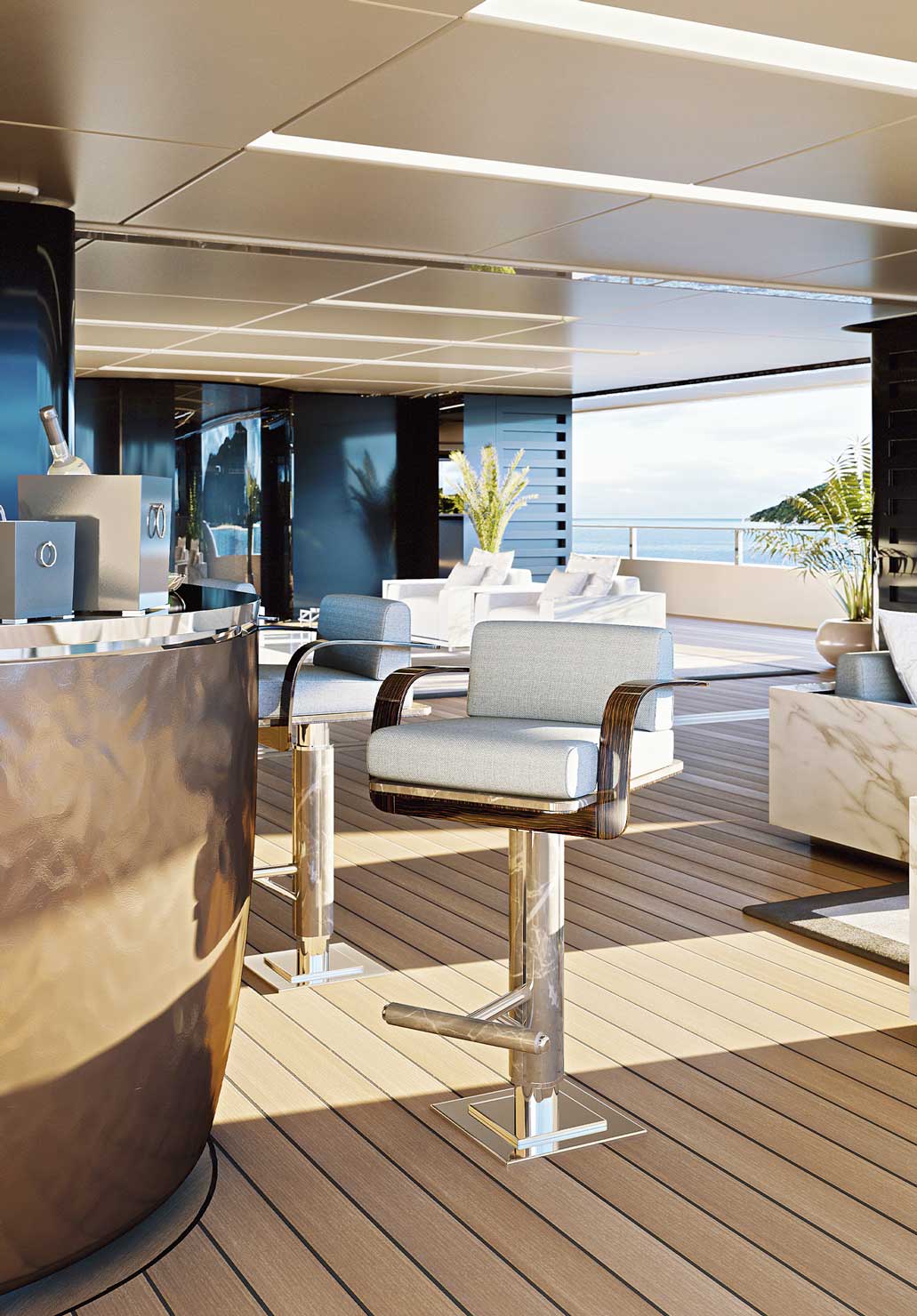
The luxury and sustainability of marble even "on board"
On the boat, where everything is designed for the maximum comfort of guests and for a top sailing experience, the excellence characterising our Made in Italy is increasingly the master, becoming the protagonist of these exclusive moments of freedom and pure contact with nature.
 BLOG
BLOG
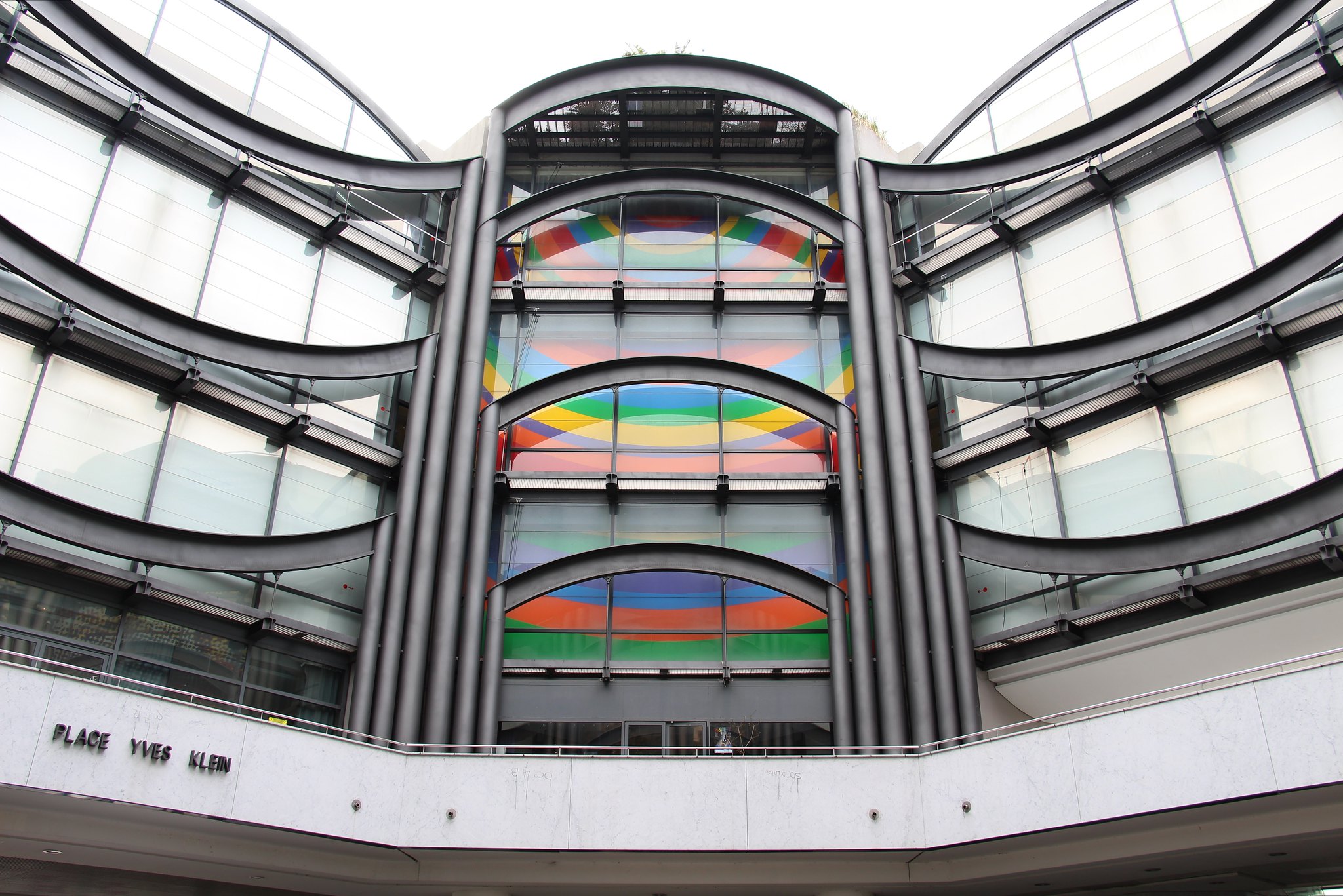
Marble Architecture: discovering MAMAC – Modern and Contemporary Art Museum of Nice
Considered one of the most important contemporary art exhibition centres in the South of France, the Mamac was designed by the architects Yves Bayard and Henri Vidal in the late 80s.
 BLOG
BLOG
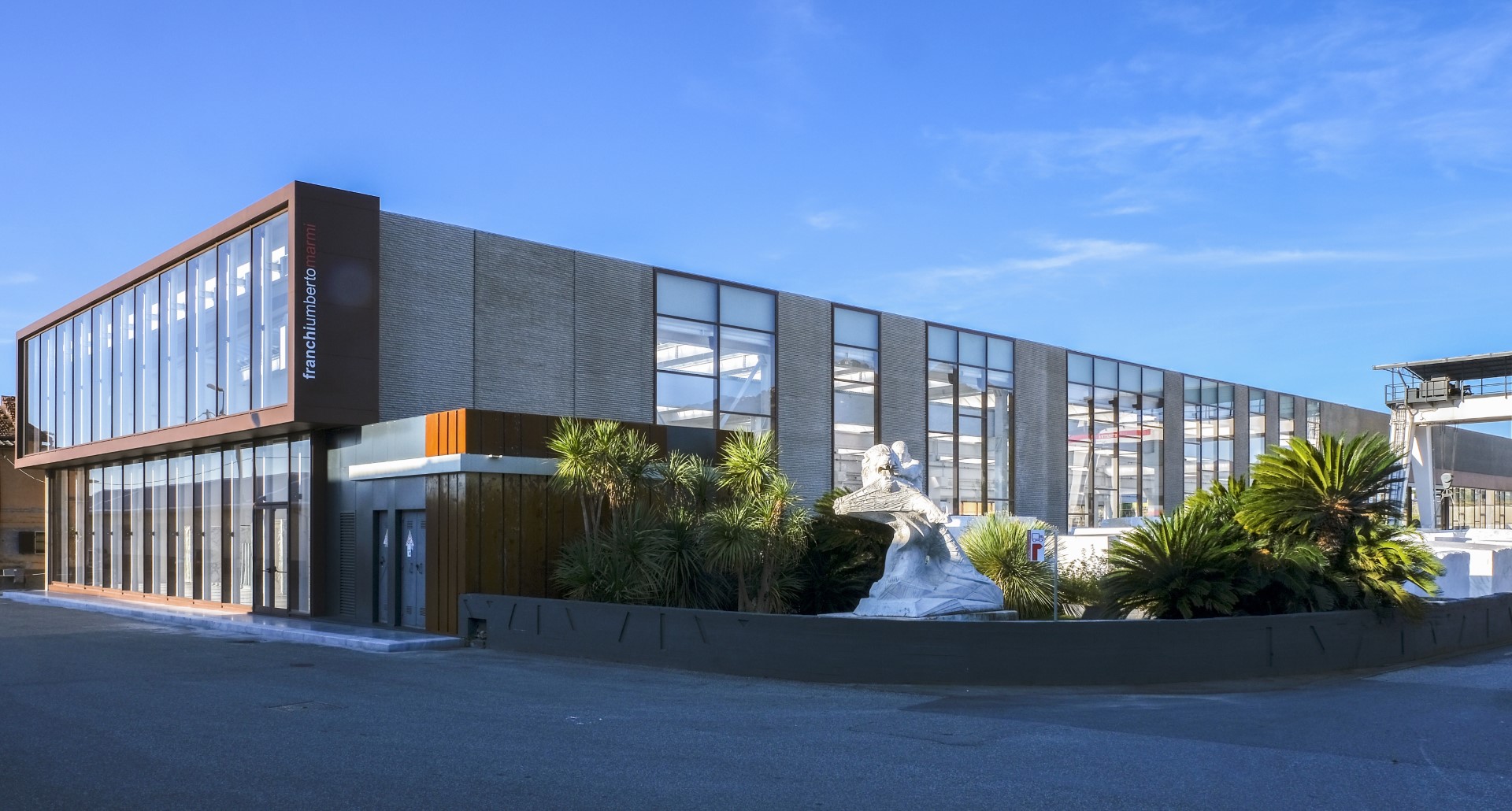
The FUM headquarters expands: the new hall C1
Ultimato nel 2021, il padiglione C1 è l’ultimo nato del quartier generale ed è stato progettato da Giuseppe Venuta.
 STORIES
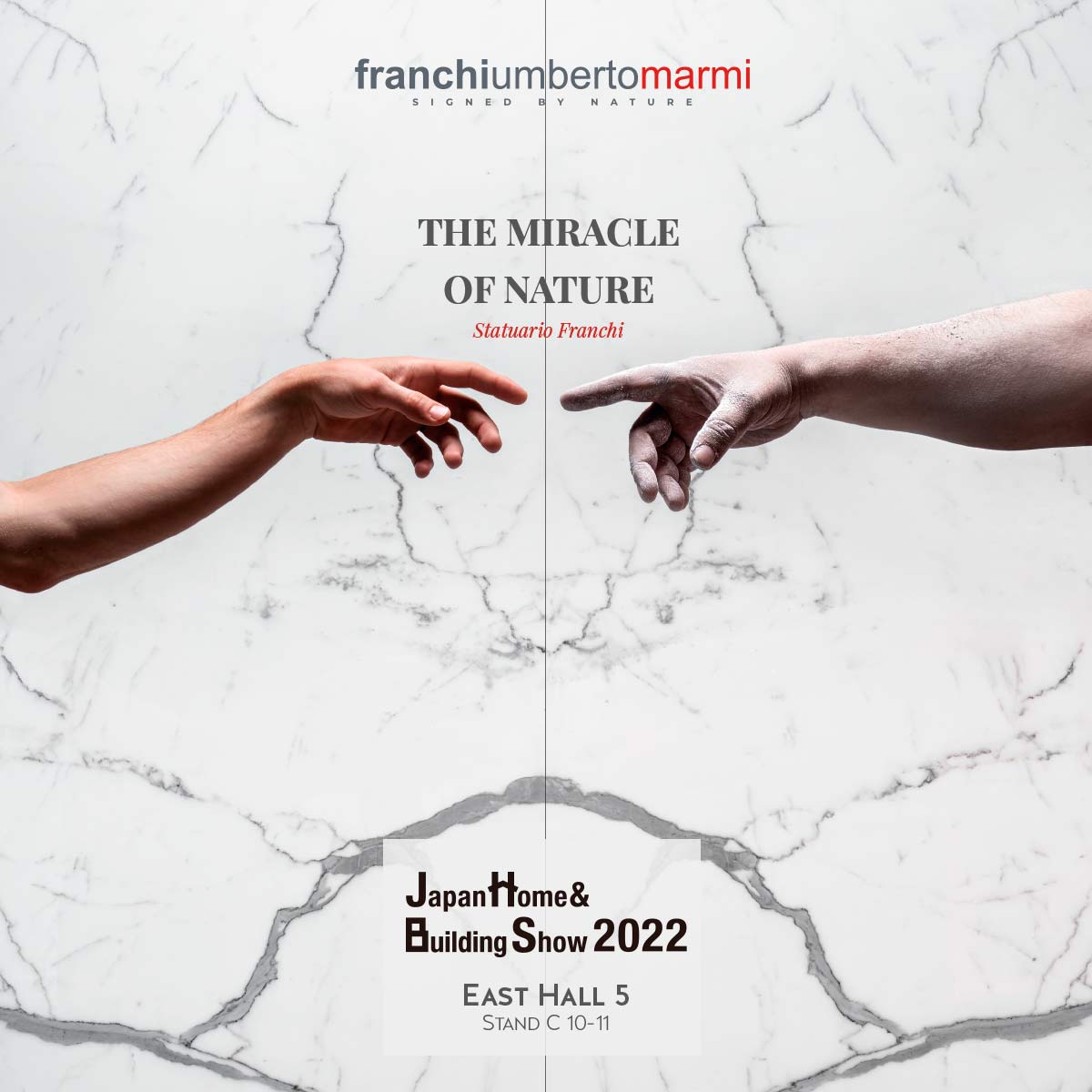
Japan Home & Building Show
See you in Tokyo from 26th to 28th ottobre 2022 (10:00 AM - 5:00 PM) - Hall 5 (East) | Stand c10-11

 STORIES
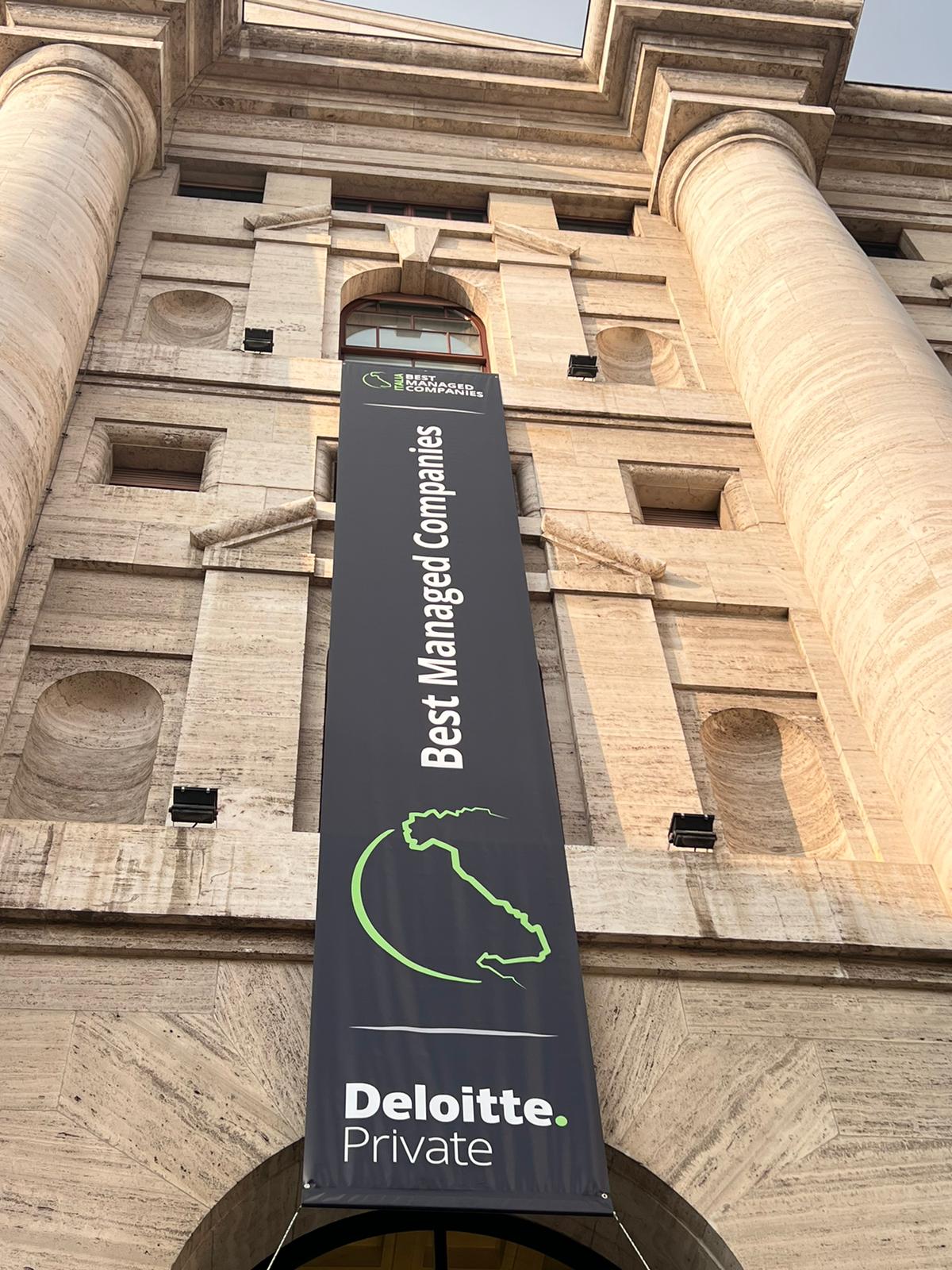
Best Managed Companies Award by Deloitte Private
Franchi Umberto Marmi wins the “Best Managed Companies” award, Deloitte Private's acknowledgment for the Italian entrepreneurial excellencies distinguished for their strategy, innovation, and ESG corporate culture.
 BLOG
BLOG
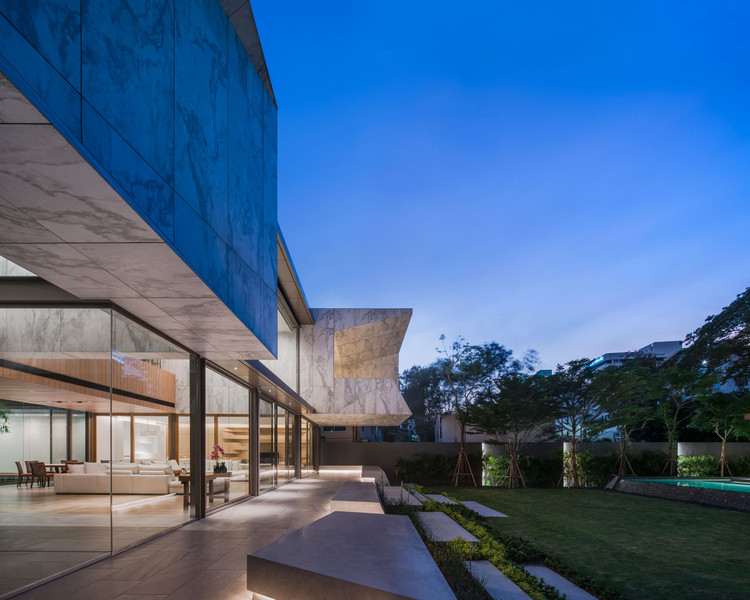
Openbox Architects designs with marble and integrates architecture with the landscape: the Marble House in Thailand
A contemporary and evolutionary use of marble characterises Openbox’s approach to this project and defines the unique character of this dwelling, perfectly integrated with the surrounding landscape.
 STORIES
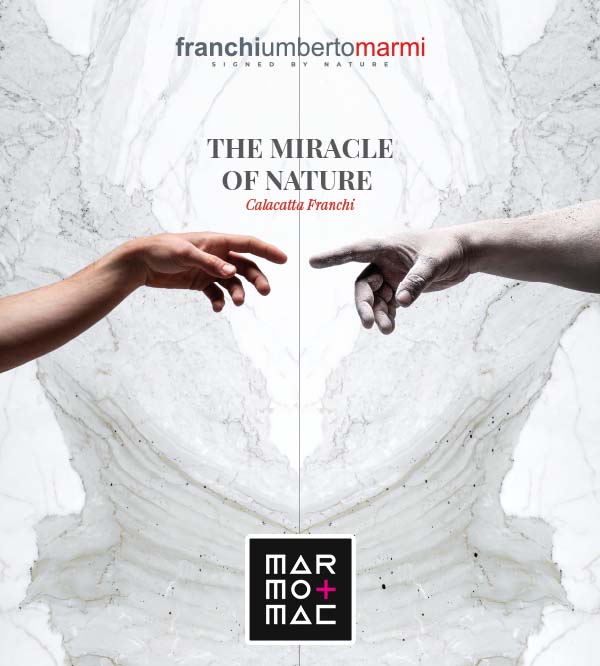
Marmo+Mac 2022
In occasione della 56°edizione di MARMO+MAC, che si svolgerà a Verona dal 27 al 30 settembre, Franchi Umberto Marmi è lieto di invitarLa a visitare il proprio stand.
 BLOG
BLOG
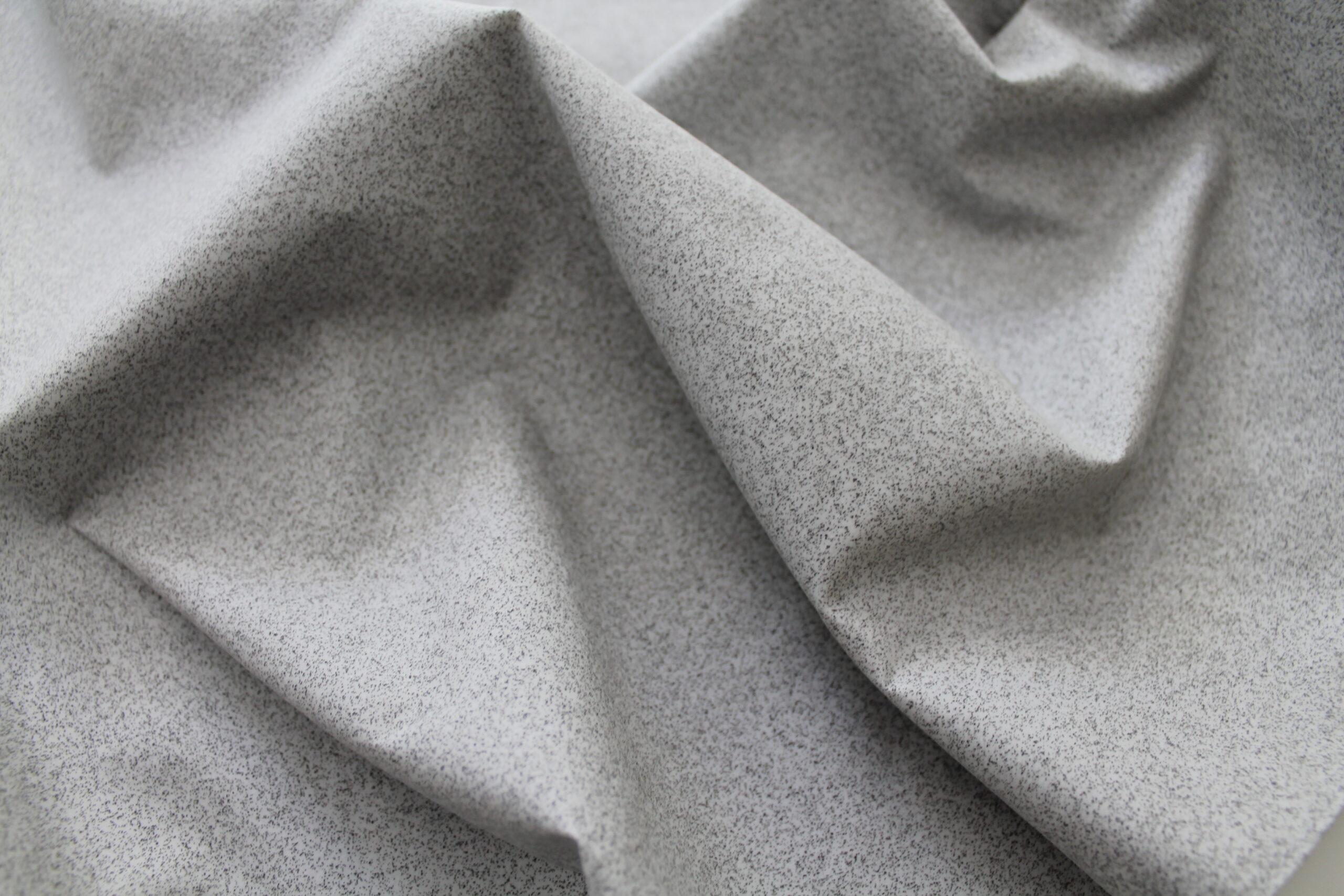
Fili Pari: marble dust become fabric
Today we meet Fili Pari, the first fashion-tech startup to develop a collection of outerwear for women using the innovative material MARM \ MORE®
 BLOG
BLOG
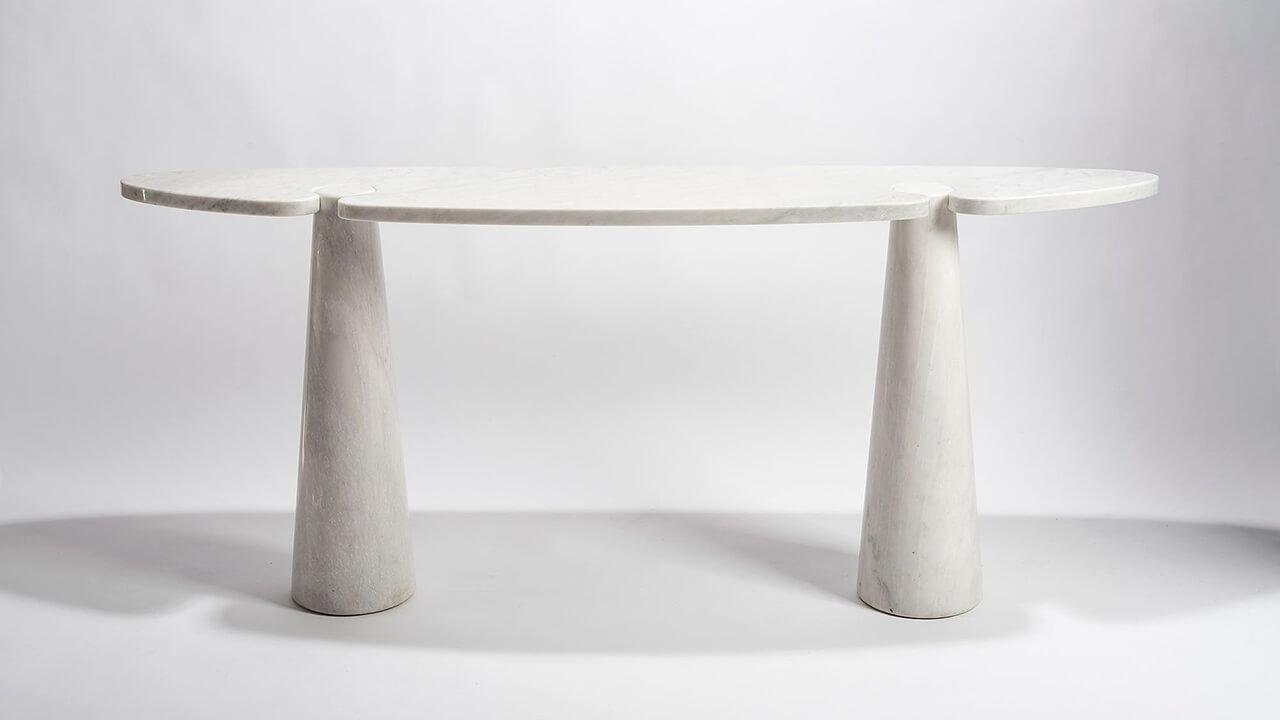
Eros table by Angelo Mangiarotti
With its natural uniqueness, through the centuries marble has often been used by great architects and sculptors for its exclusive characteristics of durability and versatility.
 BLOG
BLOG
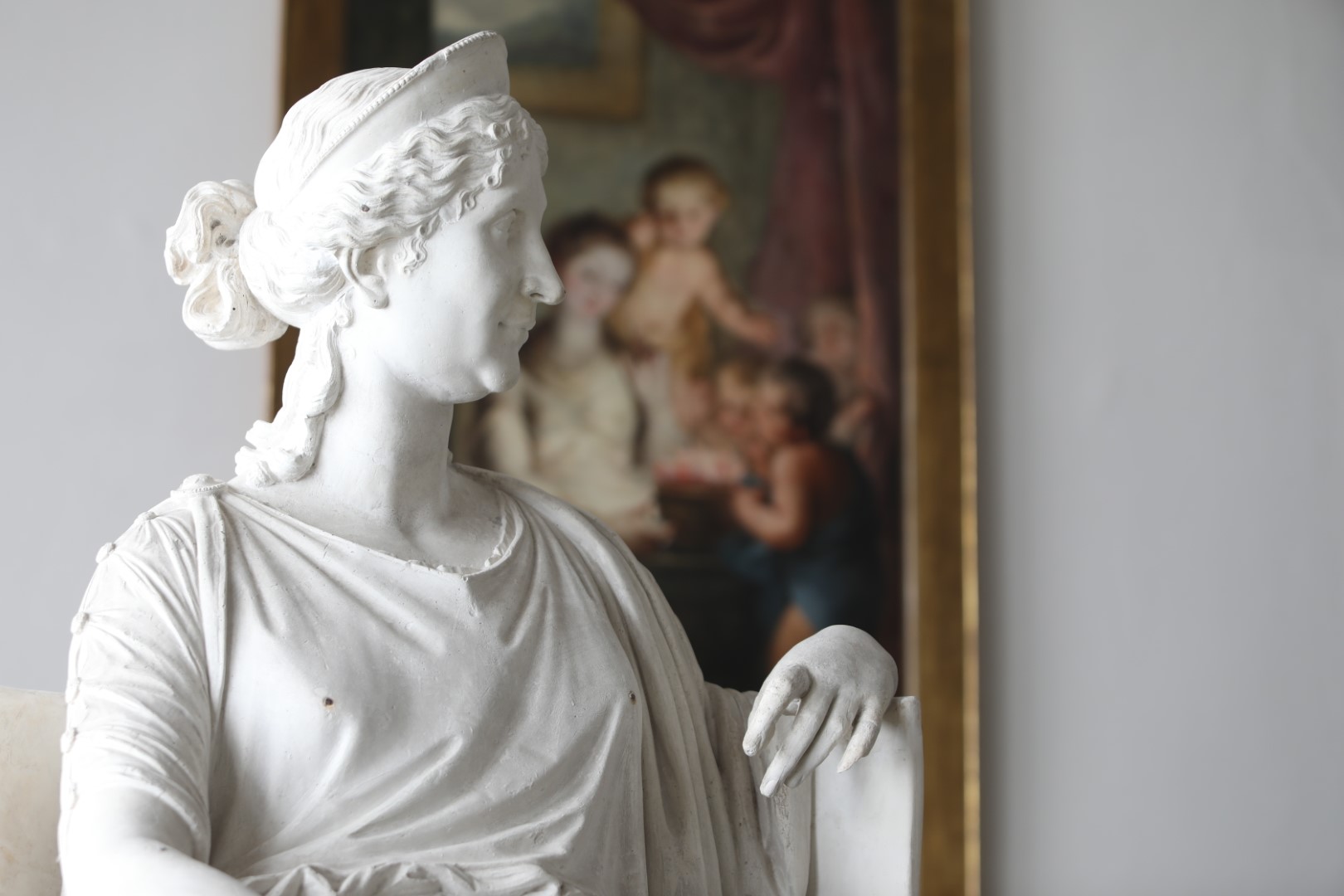
Born in Carrara
What is the essence of Carrara marble? A millennia-long history, the genius of the artists, the excellence of the great architecture, the skill of the best craftsmen and the authenticity of being natural and sustainable.
 BLOG
BLOG
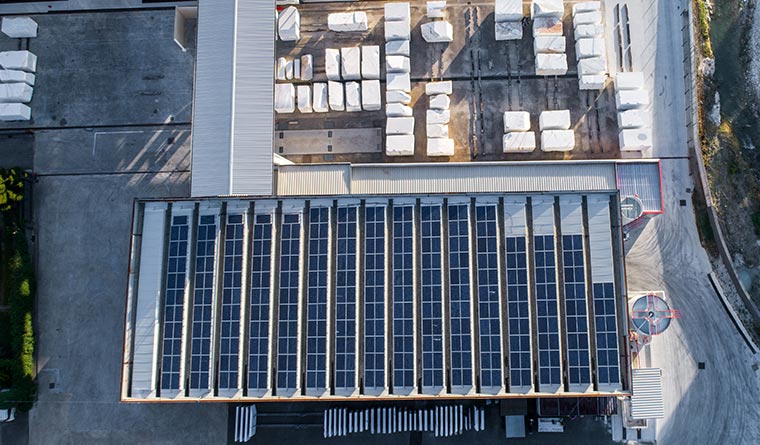
A journey through sustainability at FUM – Preview
The sustainable use of the raw material marble is a central goal for Franchi Umberto Marmi that is also concretely measurable in the perspective of a transparent business model in every stage of the process.
 BLOG
BLOG
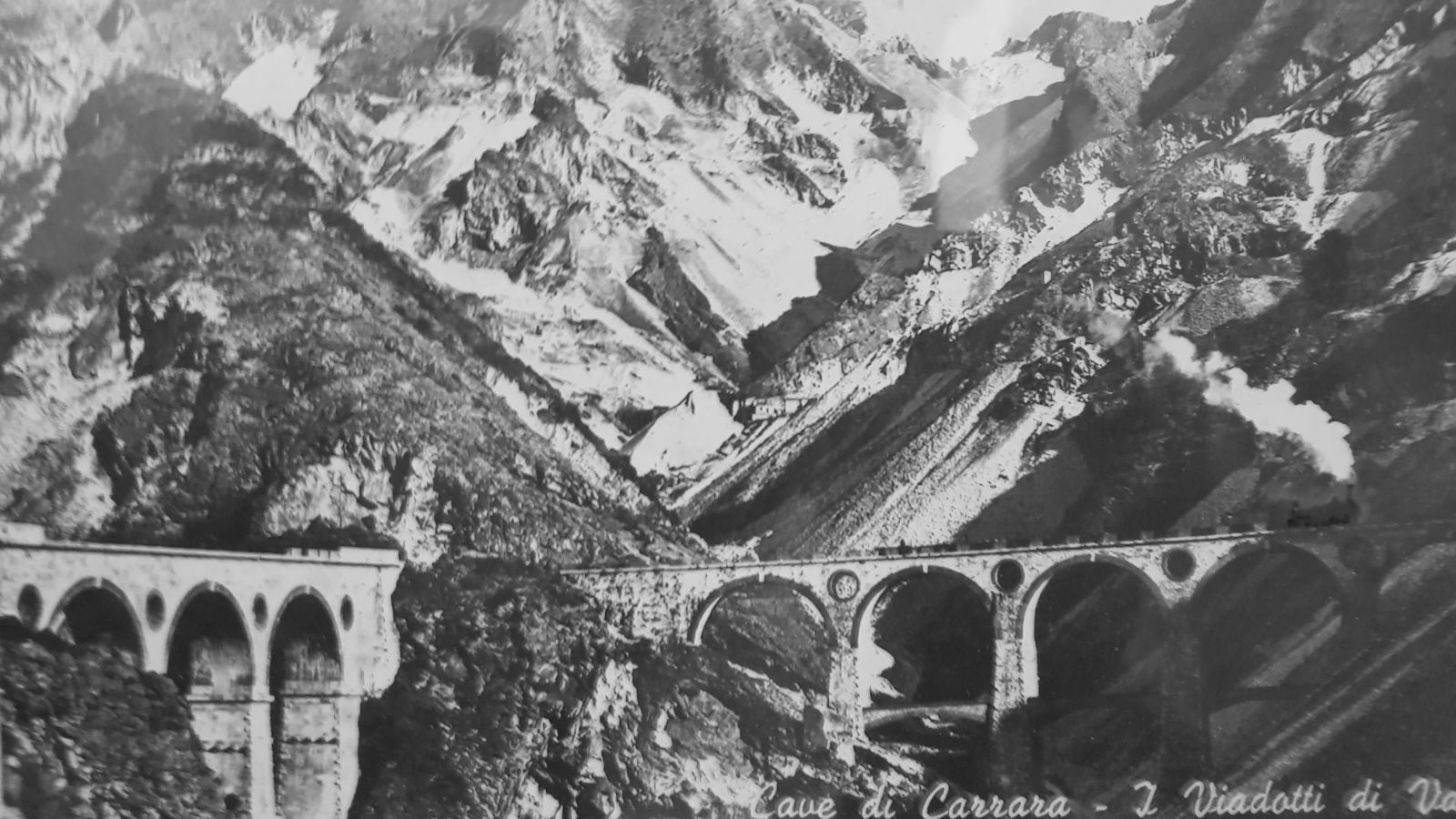
The Marble Railway
Even though today it seems incredible, there was a time when the marble of Carrara was carried down from the mountain on a steep iron path used by locomotives and carriages of the Private Marble Railway of Carrara.
 STORIES
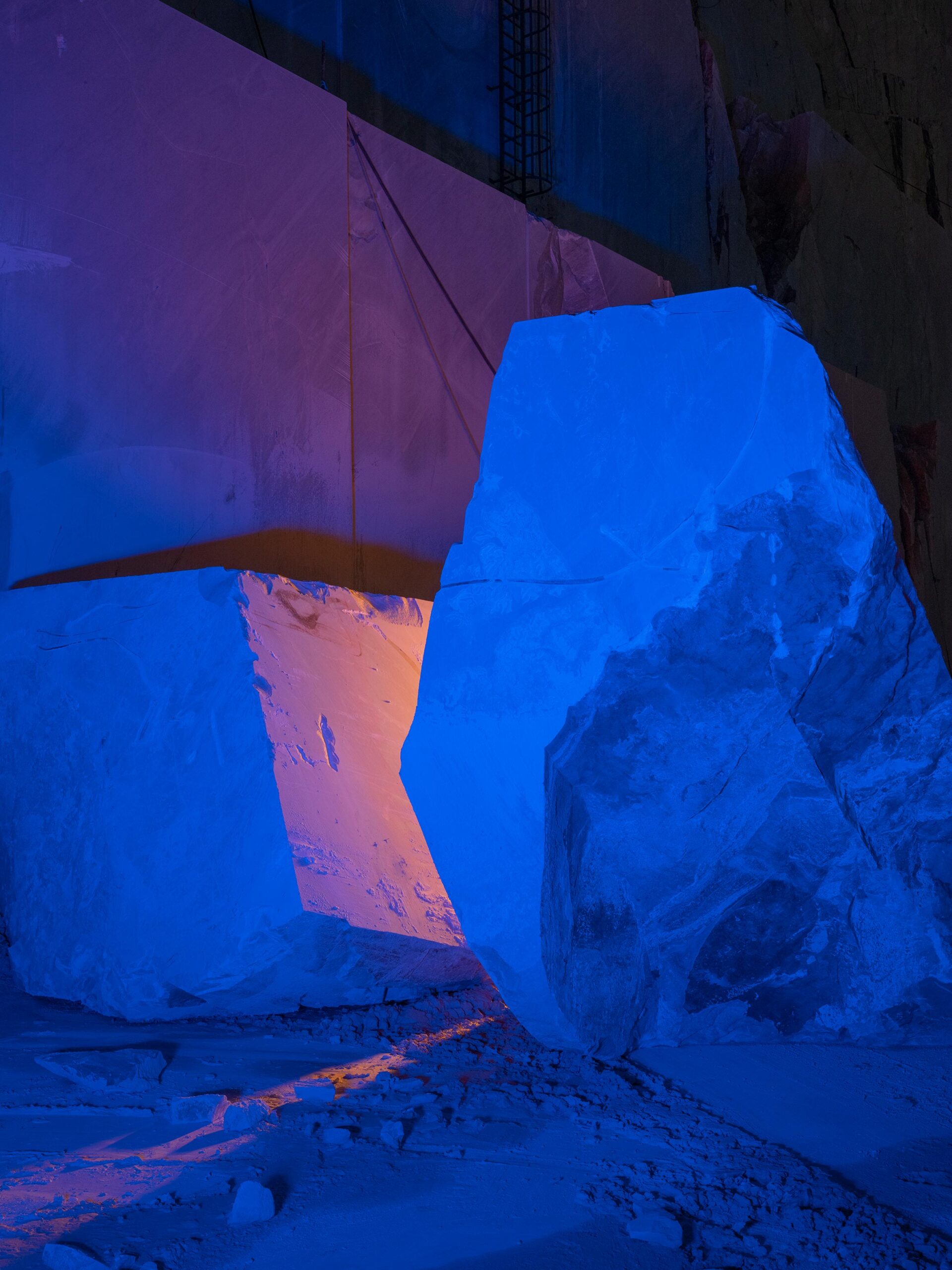
View of the quarries by Daan Zuijderwijk & Maaike Vergouwe
Daan Zuijderwijk (1974) and Maaike Vergouwe (1978) have been traveling through Europe in their self-built house on wheels for over four years now, together with their three young daughters Fenna, Alba and Isolde.