



Wunderkammer2: in Carrara, Crestola quarry becomes a museum of light, marble, and robotics
In Carrara, the Crestola quarry hosted the second edition of Wunderkammer, a project that transformed the quarry space into a temporary exhibition dedicated to the dialogue between contemporary art and marble landscape. This project by Franchi Umberto Marmi, held on April 19th, 2026, combined contemporary art, technology, and Apuan marble in a journey of knowledge for international architects and designers.
The company Franchi Umberto Marmi (FUM) presented the second edition of
Wunderkammer in the Crestola Quarry in
Carrara, once again transforming the quarry into a temporary exhibition dedicated to contemporary art and technological experimentation in the heart of natural stone. The initiative took place on April 19th, 2026, just before the
Salone del Mobile in
Milan (April 21-26, 2026) and it was aimed in particular at an international audience of architects, designers and operators in the sector, proposing an interpretation of marble as a
cultural and narrative element.
The project was an idea of Bernarda and Alberto
Franchi and it developed under the artistic direction of Natascia
Bascherini, creative director of Danae Project and Finestre
sull’Arte. It followed the path of the first edition, but it expanded its conceptual structure, by redefining the very principle of the
chamber of wonders in a contemporary
key. Regarding this, the reference to the Renaissance
Wunderkammer has been re-worked as a critical device and has not assumed a purely citational value.
Naturalia (a term that indicates what nature spontaneously provides) and Artificialia (objects made by man, distinguished by their originality and uniqueness) have coexisted within the same space: on the one hand the
raw material of Apuan marble, on the other hand human
intervention, technology and the languages of contemporary art. The quarry was thus set up as a layered environment, where the empty spaces became a narrative element and the stone wall acted as an exhibition space.
Before entering the Crestola quarry, the journey began at the headquarters of
LITIX, in
La
Piastra (Carrara). Here we find a preliminary stage of the experience, conceived as an absolute threshold. The works from the series
La soglia del silenzio (The threshold of silence) by Luciano
Massari were presented, introducing a suspended time and a dimension of waiting. The four sculptures, in Bardiglio Nuvolato marble, appeared as anthropomorphic figures, frozen in a state of unstable equilibrium. They did not serve as an illustrative function: they acted as devices to slow down the gaze, preparing the visitor for the subsequent immersion in the context of the quarry. In this preliminary stage, one of the interpretative keys of the entire project was defined:
wonder as a process of perceptual
construction. Suspension became a necessary condition for reading the subsequent space, in which the quarry appeared as an active cultural device and no longer simply as a place of extraction.
Within the theoretical
path of the installation, the concept of wonder was traced back to the philosophical tradition of the
Aristotelian thaumazein, understood as the
origin
of thought and
knowledge. Wonder has thus been represented as an opening of the gaze, a preliminary condition for the interpretation of reality.
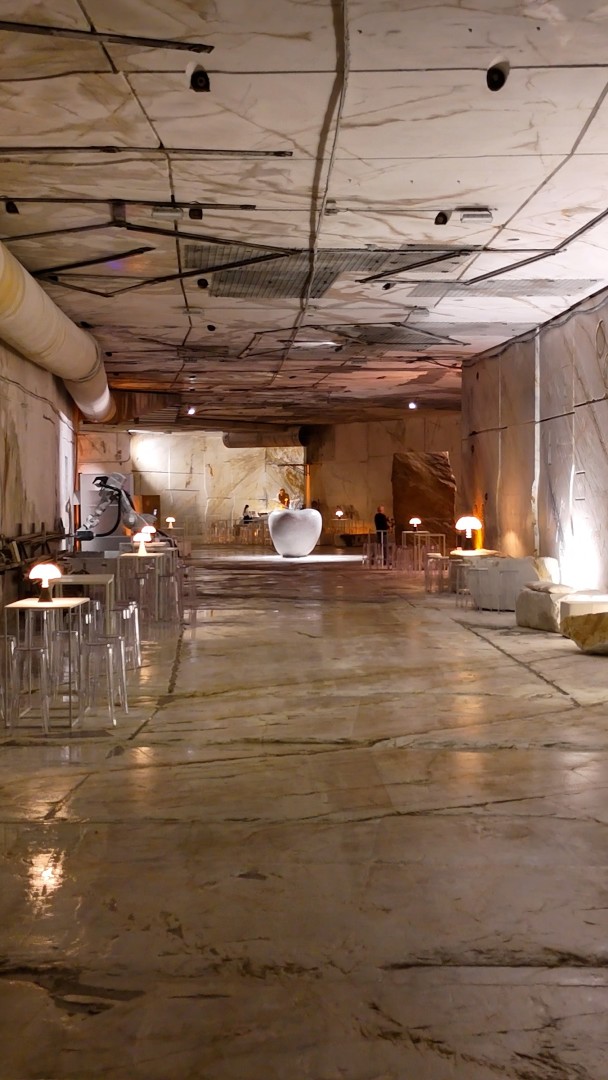
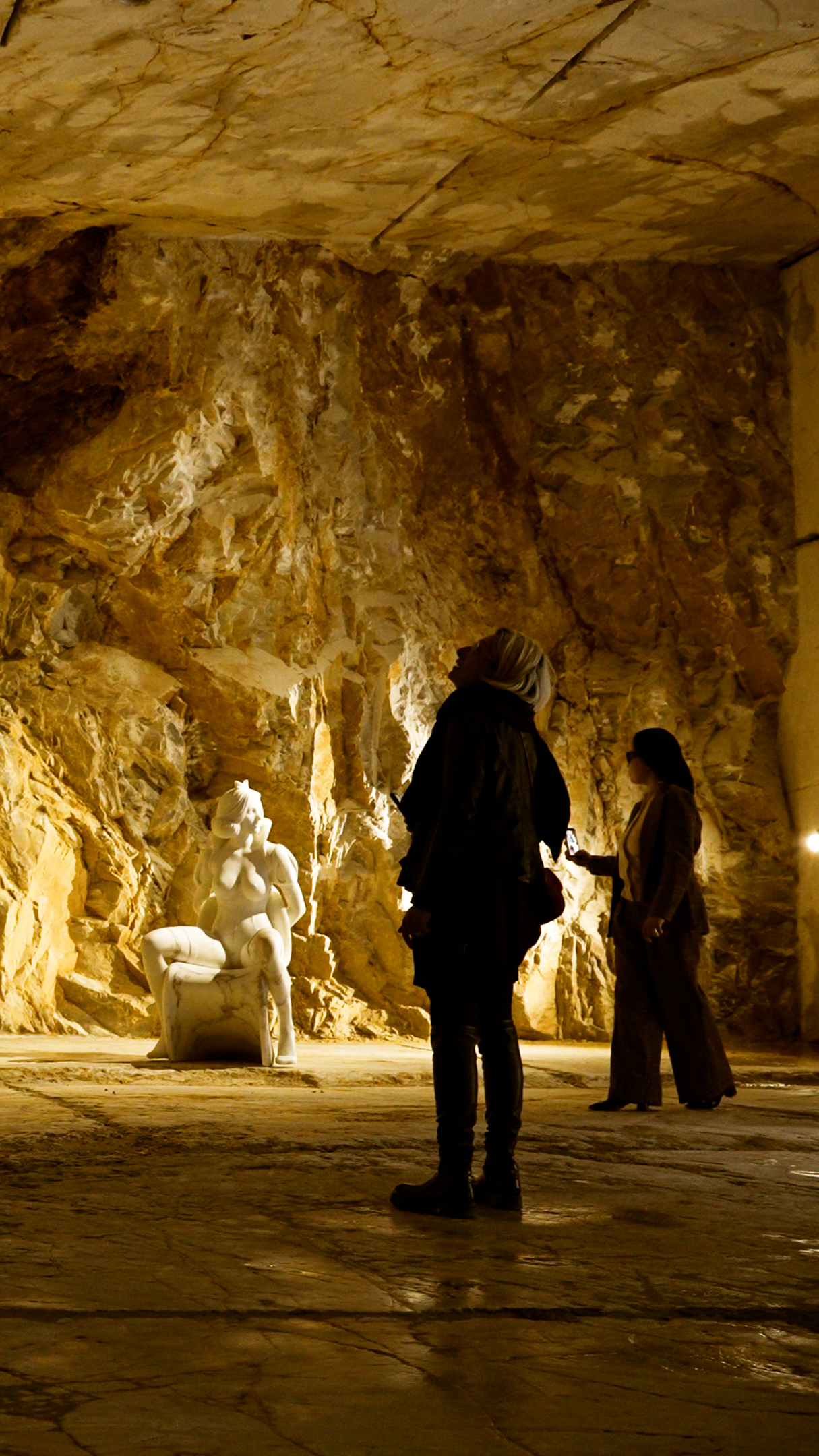
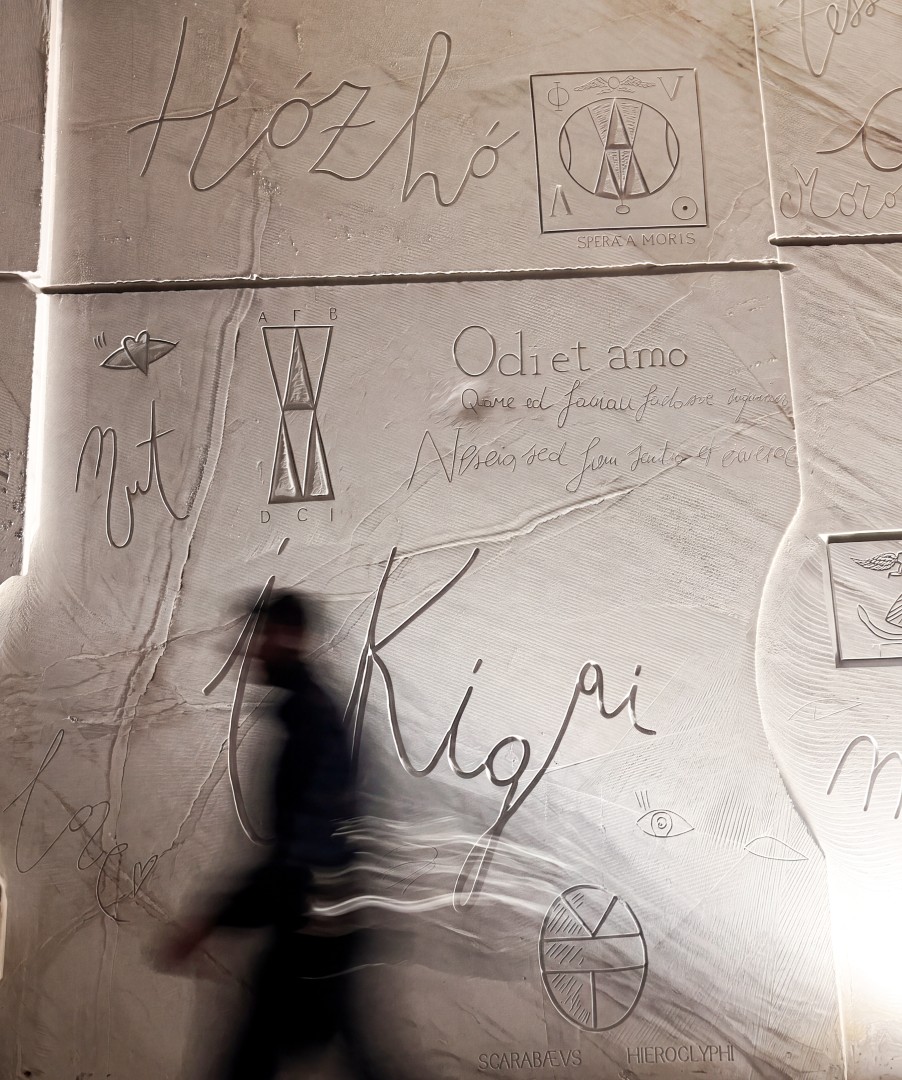
In this sense, the Crestola quarry itself has become a space in which matter has been questioned in its temporal and symbolic dimension. Marble was interpreted as an original and stratified element at the same time. Its etymology (linked to the Greek mármaros) recalled the idea of majesty and luminosity, underlining an intrinsic quality of the material that manifested itself in the relationship with light. The quarry thus became a space in which matter became visible as a process and no longer just a place of extraction. The work of Michelangelo Pistoletto, La Grande Mela (The Big Apple), was inserted within this system, introducing an element of formal recognition within the mineral landscape. The work, characterized by an engraved surface recomposed through a series of clips, established a direct comparison with the quarry, activating a relationship between human gesture and geological structure. This work is part of the artist's path, which can be traced back to a reflection on the relationship between nature, artifice, and the responsibility of gaze.
Alongside this work, the intervention of Filippo
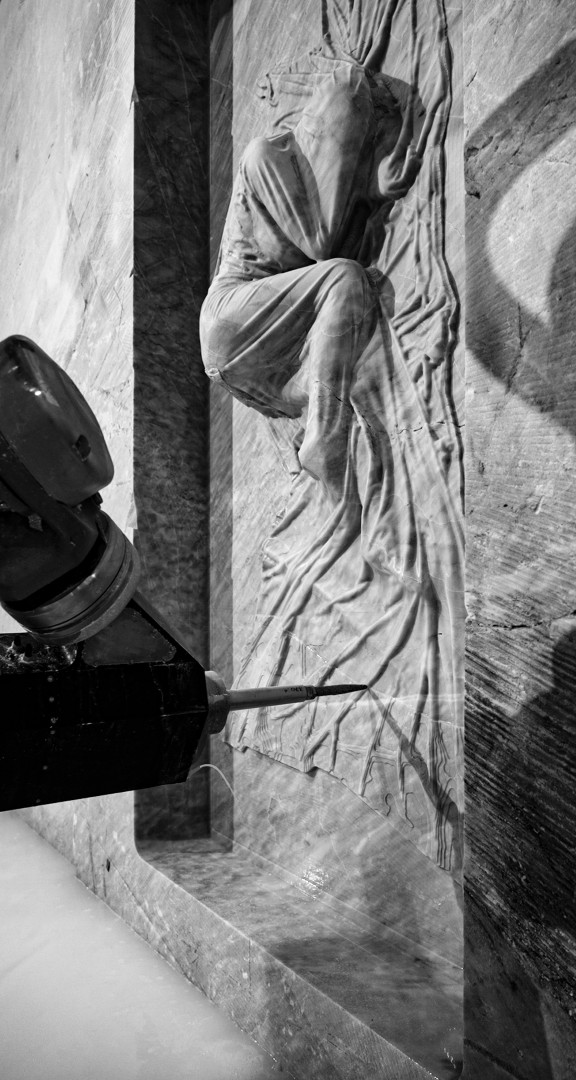
Tincolini introduced a procedural dimension. The work Spiritus
Montis was born from the use of a robotic system developed by the Carrara-based company LITIX spa, through the
ROBOTOR
ONE-SPECIAL model, which intervened directly on the internal wall of the quarry. This was a case where the sculpture was generated in direct relation to the stone surface. The result was a female figure curled up in a fetal position, integrated into the wall itself.
The photographic work of Laura
Veschi, Anatomia della
meraviglia (Anatomy of Wonder), also fits into this context, interpreting marble as an
autonomous
entity. Her research developed between quarries, laboratories and workspaces, without reducing the subject to a document. Matter was observed in its transformation, in a condition of continuous re-definition between natural and artificial. The lighting system designed by
Martinelli
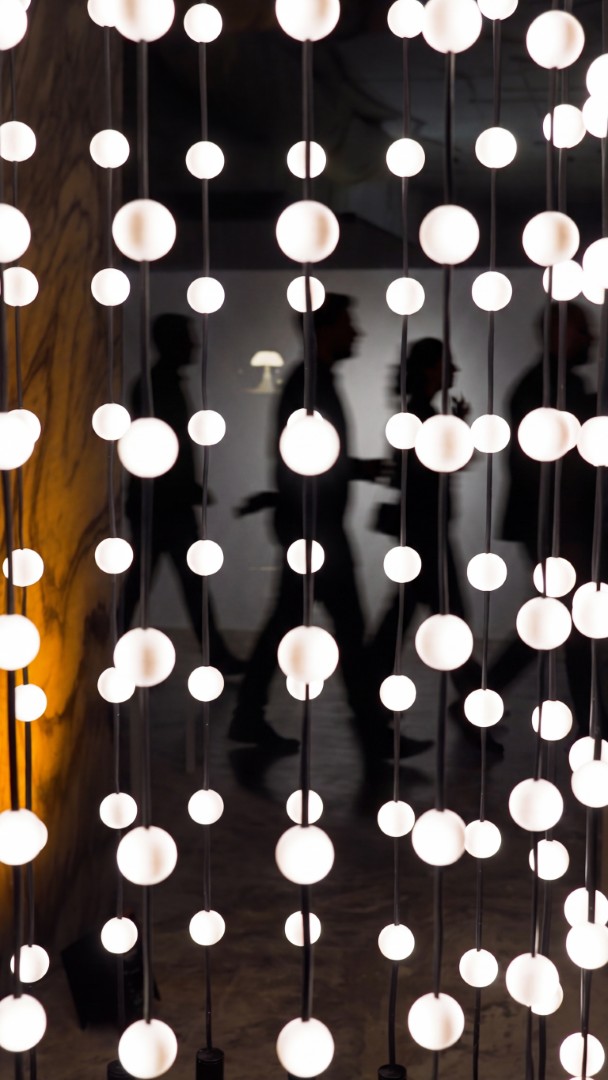
Luce helped define the overall perception of the space. Artificial light has in fact built a direct relationship with the surfaces and stratifications of the quarry.
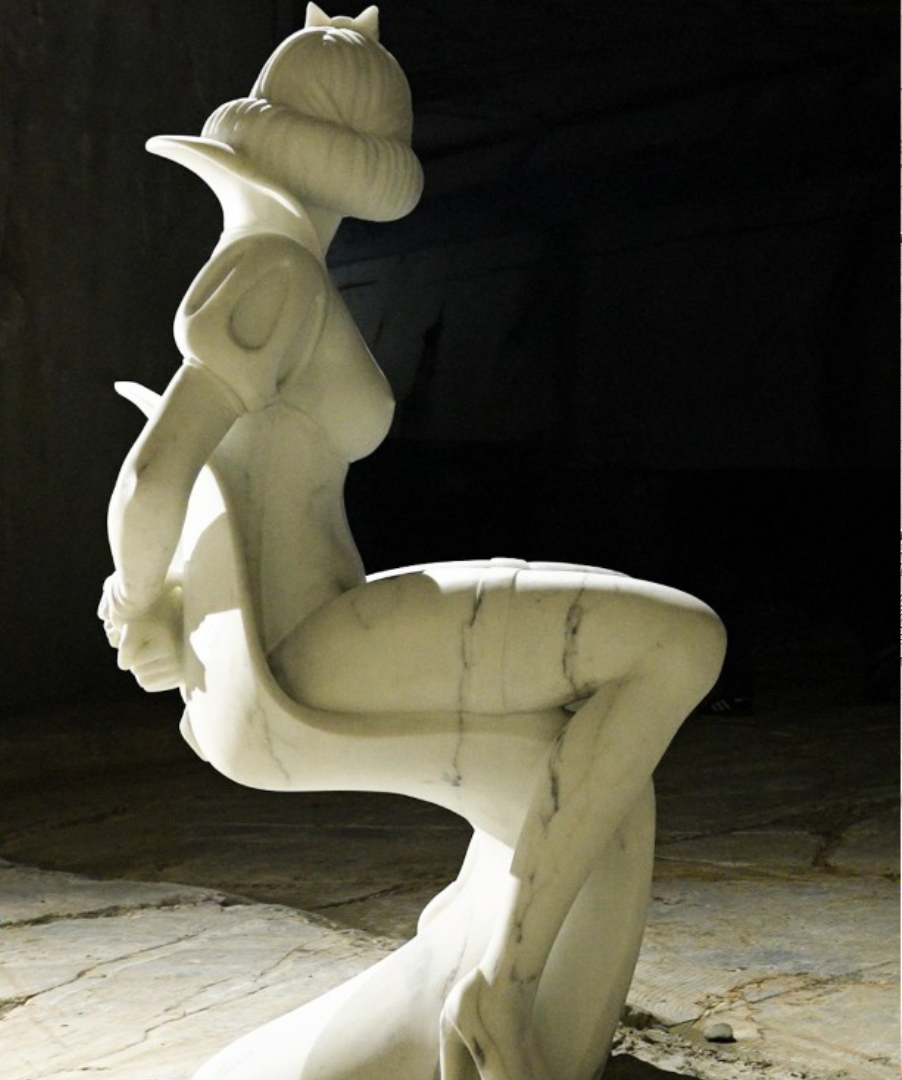
The itinerary also included the intervention of Giuseppe
Veneziano with the work White
Slave, who reinterpreted a fairy-tale figure through a material transposition in marble. The image, recognizable in its iconographic origins, has been subjected to a process of semantic destabilization, in which the narrative has shifted towards an ambiguous condition between representation and alteration. This is the distinctive feature of Veneziano's poetics. In this sense, wonder arose from the discontinuity with the known: from the work's ability to undermine a consolidated image, restoring it in an ambiguous, more complex, unstable and, perhaps, more authentic form.
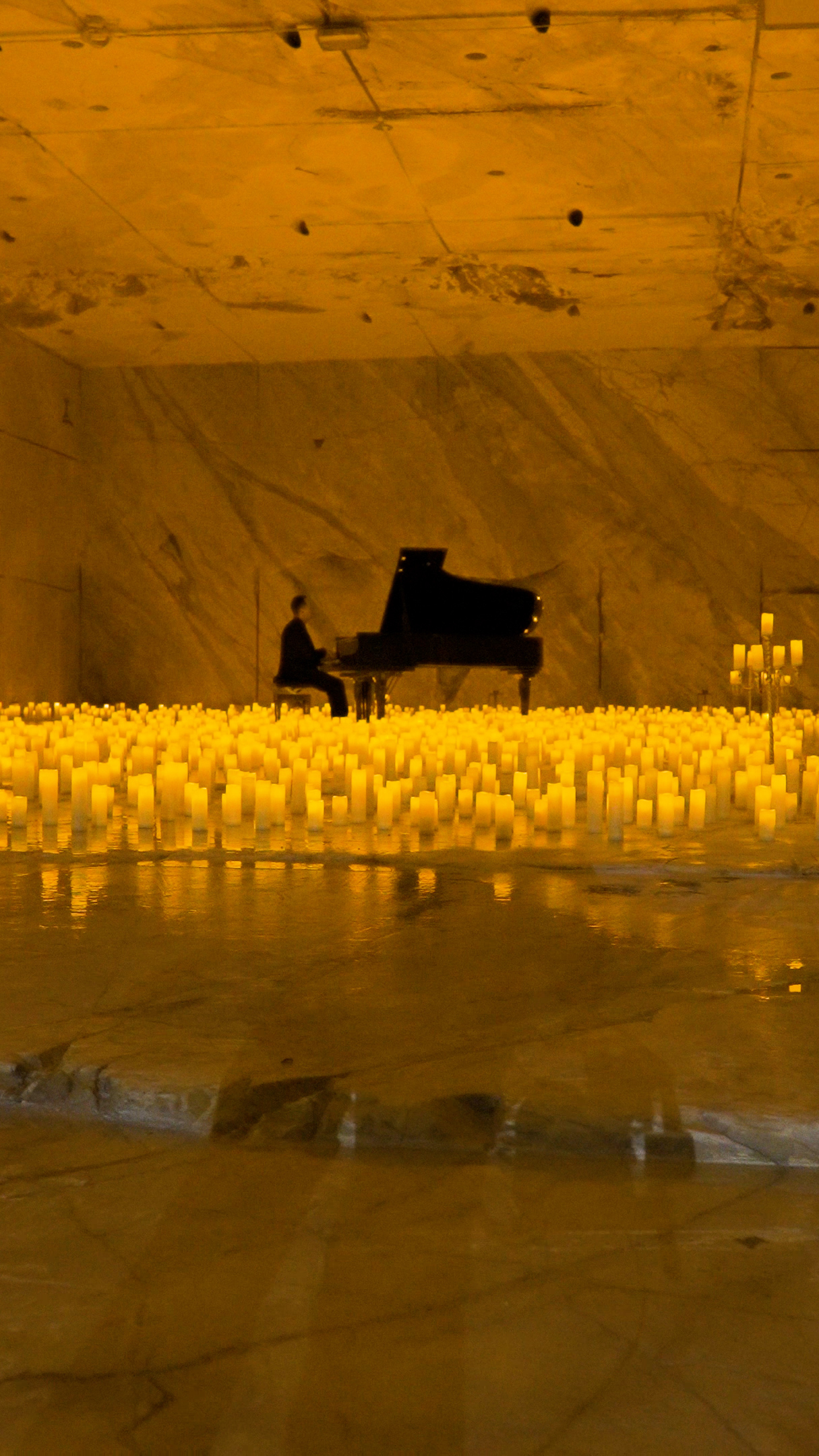
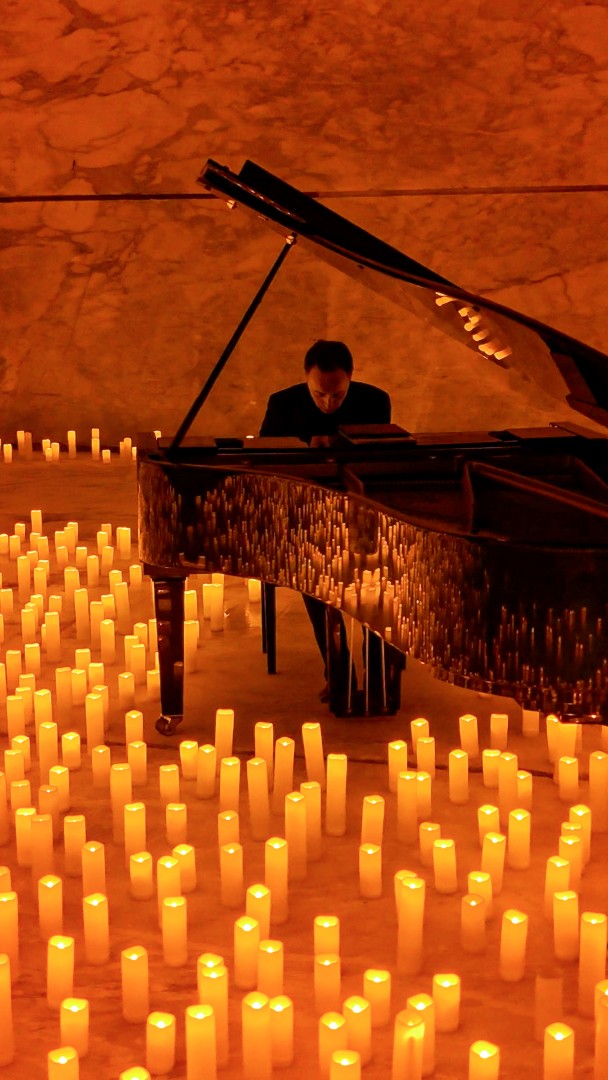
The overall experience was accompanied by sound and performative elements, including the piano performance of
Giuseppe Califano and a light installation based on over four
thousand
candles, which contributed to define a rarefied perceptive condition. The set of interventions was aimed at constructing an expanded temporality: in this sense, attention shifted to the relationship between the observer and the observed matter.
Wunderkammer2 was therefore configured as a complex system in which contemporary art, technology, photography, and music converged within an extractive context temporarily converted into a cultural space. In Carrara, the Crestola quarry thus became a visual device, in which marble represented a powerful, layered narrative structure.
Thank you,
FUM Staff

An Idea by: Franchi Umberto Marmi
Art Direction: Natascia Bascherini — Danae Project, Finestre sull'Arte
Curatorial Text: Roberto Spinetta
Graphic & Coordination: Federica Ghinoi — Danae Project
Video & Photo: Alessandro Pasquali - Danae Project, Nicola Grossi - Danae Project, Matteo Palmerini, Alice Ceccatelli
Digital & Technology: Tommaso Vietina - Danae Project
Production Management: Luisa Ragnoni, Silvia Gatti, Michela Vatteroni, Anna Ottati
Artists: Michelangelo Pistoletto, Filippo Tincolini, Giuseppe Veneziano, Laura Veschi
Live Piano: Giuseppe Califano
Light Design: Martinelli Luce
Partners: Franchi Umberto Marmi Australia, Marmoles Man, Interni now
Technical Partners: Litix, Robotor, Martinelli Luce, Robot City, CandleLight, Horti, La Musica
Marble Workshops: Angeloni Marble Studio, Litix, Robot City
Catering: Il Germoglio
Shuttle & Transfer: Cave di Marmo Tours, Marco Paita
Logistics & Handling: Bocchi Autogrù, Ferro e..., AMC Trasporti
Quarry Crew Cava Crestola:
Daniele Bondielli, Michele Bertolla, Michele Mazzucchelli, Andrea Aprili, Ivano Bonvini, Angelo Galloni, Carlo Bonvicini,
Nicola Menconi, Carlo Fusani, Alessandro Bondielli,
Alessio Cappé, Marco Ricci, Andrea Figaia, Fabio Scopis
Cleaning Services: Laura Maggi, Elena Violi, Rossella Morante
Other articles
 BLOG
BLOG
Marmomac 2026: The 60th Edition Where Natural Stone Meets the Future
 BLOG
BLOG
Calacatta: History and Identity of a Carrara Marble Icon
 BLOG
BLOG
TEDx Forte dei Marmi 2026: From Dream to Project, Through Matter
 BLOG
BLOG
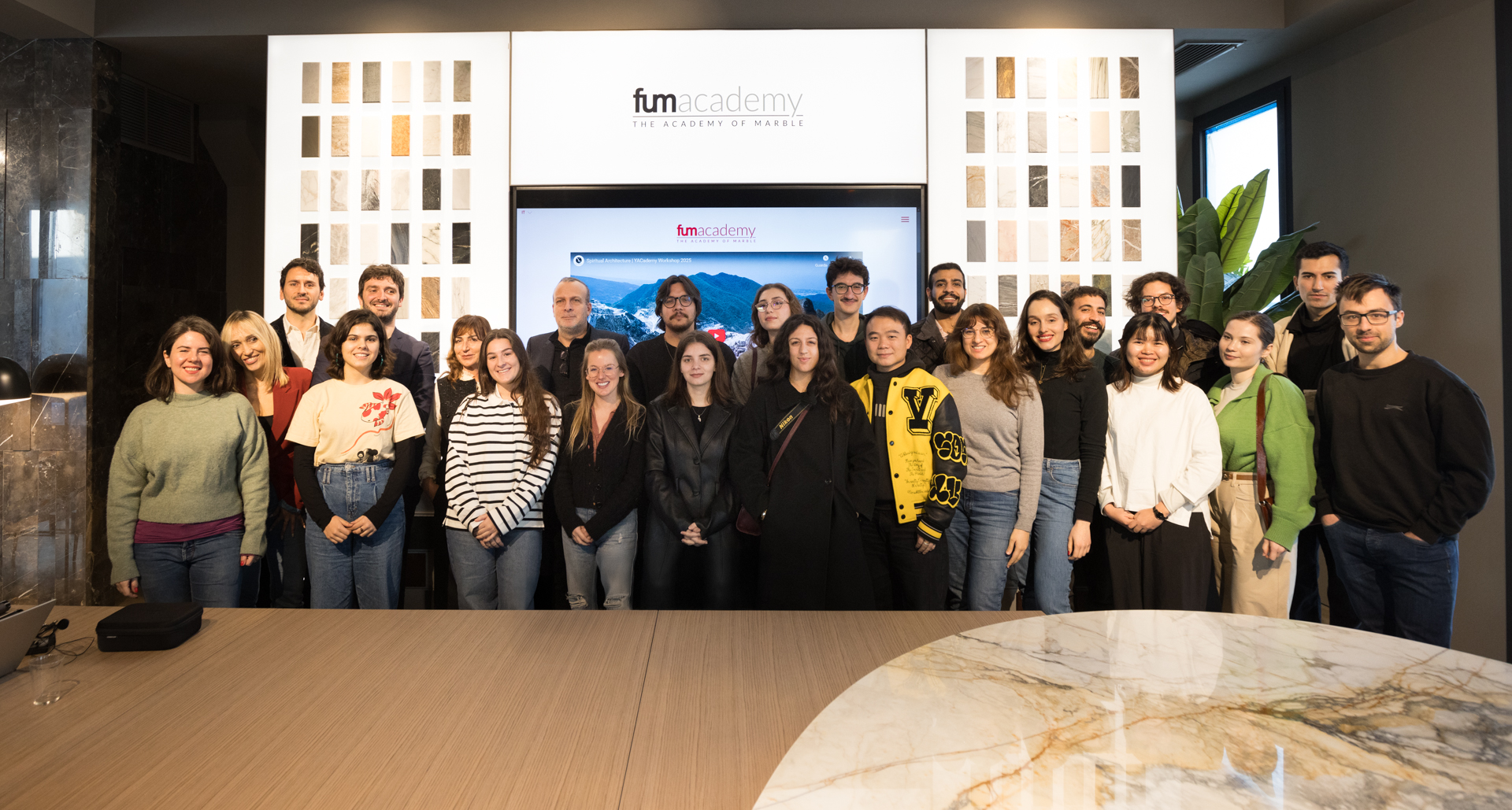
Franchi Academy: International architects in dialogue with Carrara marble
 BLOG
BLOG
Carrara and Contemporary Art: The City-Laboratory Where Marble Meets Craftsmanship
 BLOG
BLOG
Geography and Figures of the Main Natural Stone Fairs
 BLOG
BLOG
Where Marble Begins: the Carrara Quarries, a Journey through History, Craftsmanship, and the Landscape of Ancient Architecture
 STORIES
HAPPY HOLIDAYS 2025
 BLOG
BLOG
Sustainability Report 2024
 BLOG
BLOG
The new Poltrona Frau monobrand store opens in Carrara

 BLOG
BLOG
Higher Education and Knowledge: FUM Academy and YACademy together for two days of close encounter between great Architecture and Carrara marble
 BLOG
BLOG
Mother by Bob Wilson: Michelangelo's Rondanini Pietà and the sublime of the unfinished
 BLOG
BLOG
The Brutalist architecture in movies and TV Series
 BLOG
BLOG
Franchi Umberto Marmi hosted thirty-six young architects from the UNC
 STORIES
Stone & Surface Ryad - Saudi Arabia 2025
 STORIES
XIAMEN INTERNATIONAL STONE FAIR - China 2025
 BLOG
BLOG
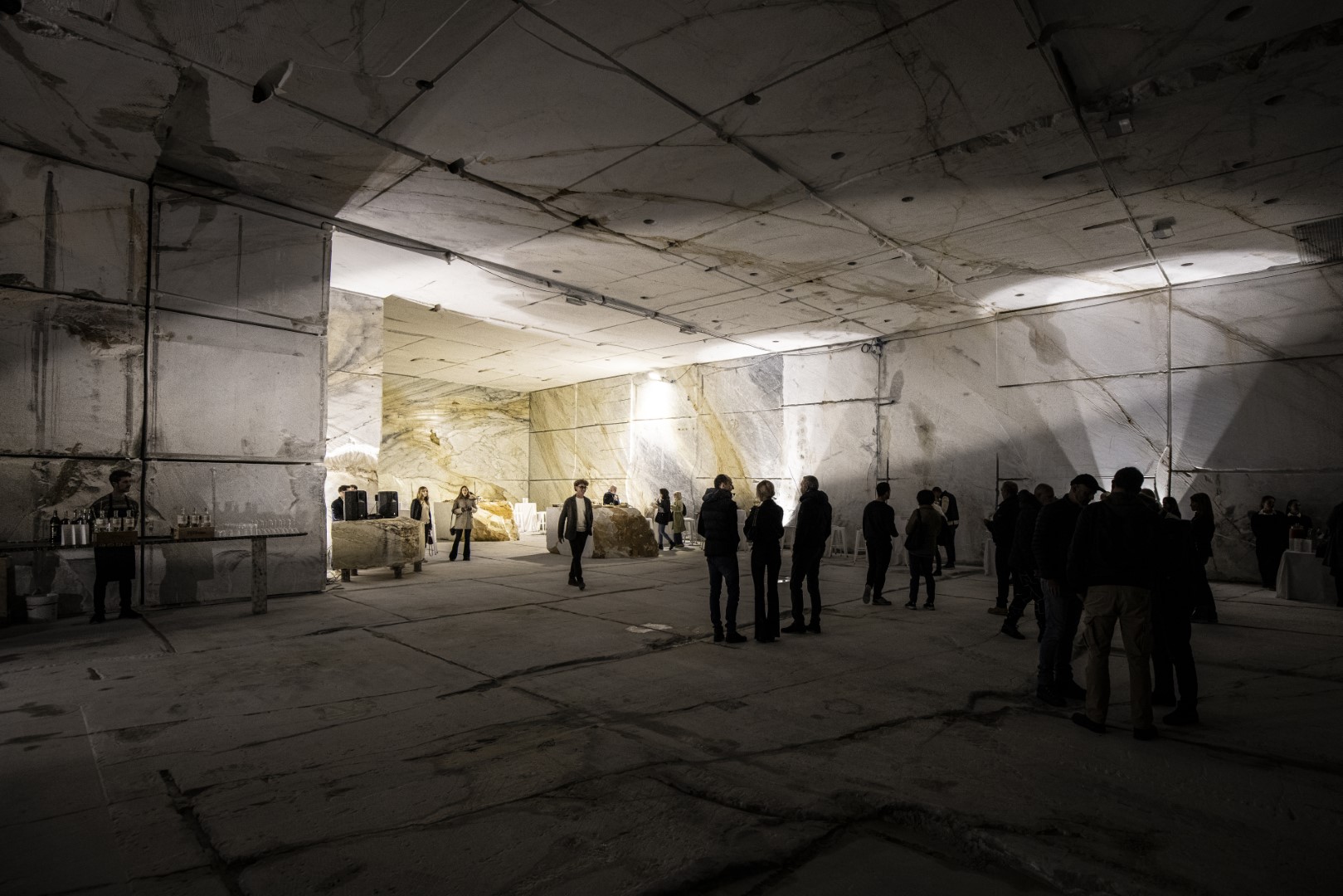
FUM Academy: A New Chapter in Marble Education
 BLOG
BLOG
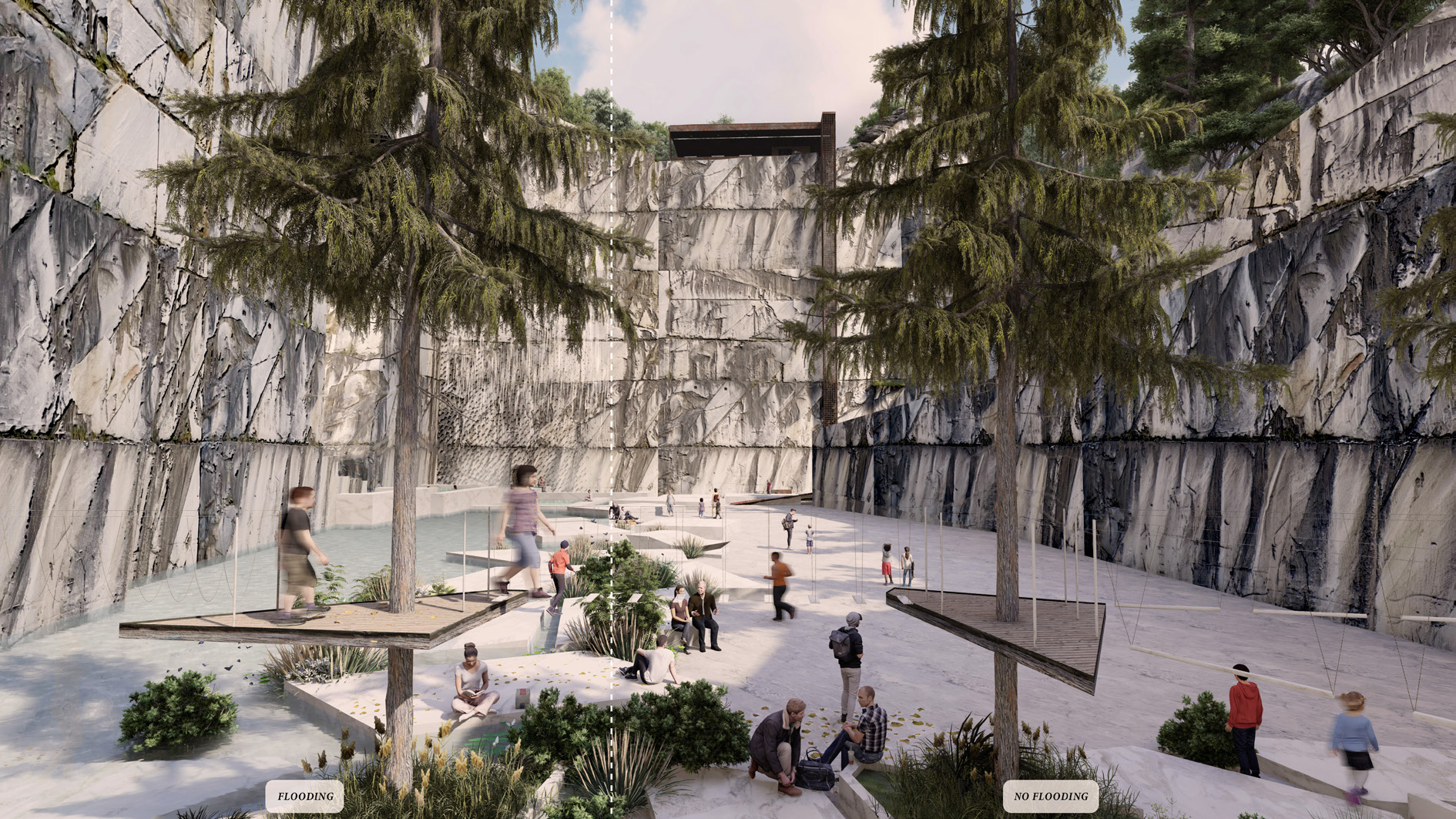
Supernatural: Architecture and Marble: a Well-functioning Match
 BLOG
BLOG
The Brutalist: Adrien Brody in the Carrara Quarries - In theaters from January 23 2025
 BLOG
BLOG
FUM ACADEMY: PEOPLE AND KNOWLEDGE AT THE CENTER
 STORIES
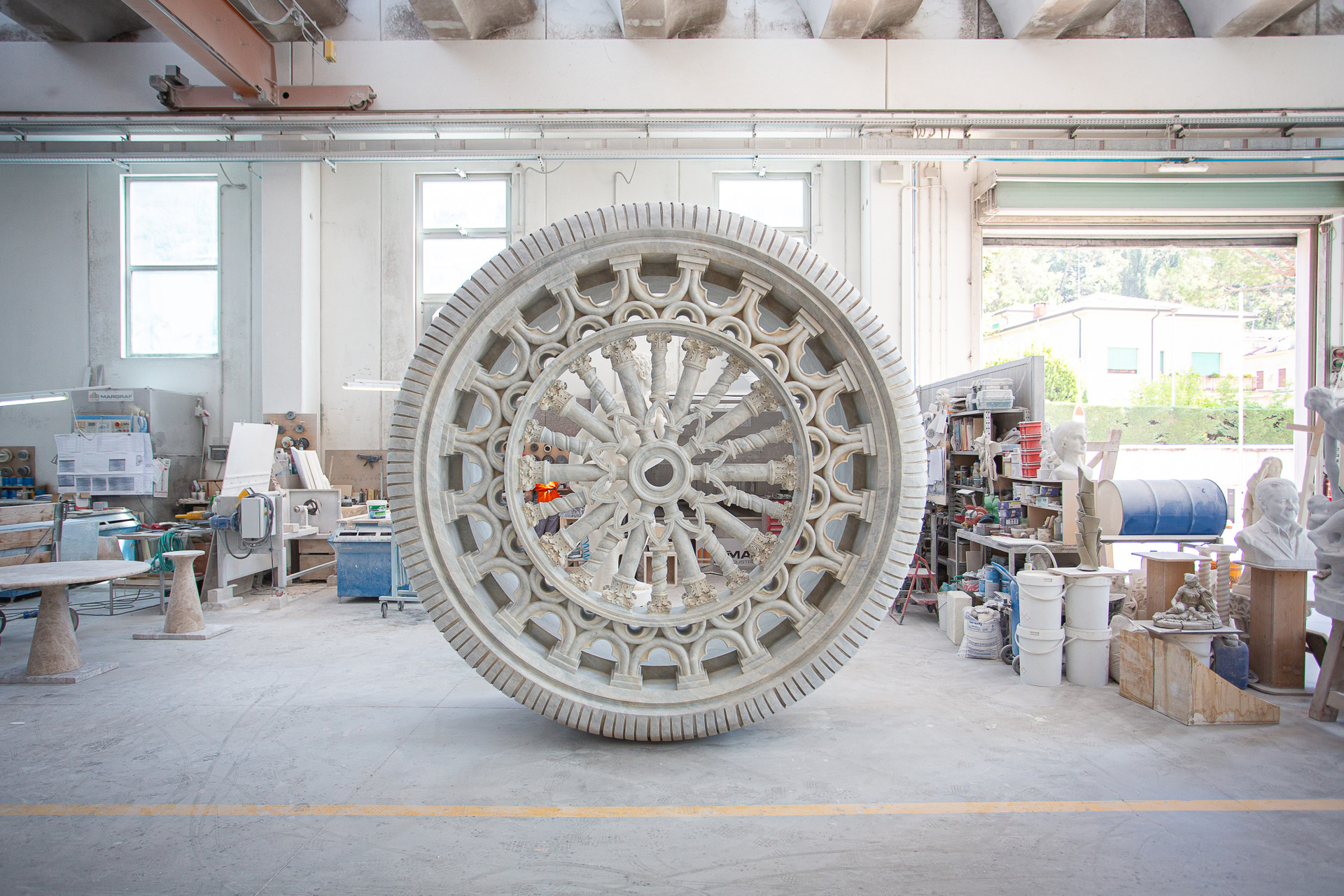
The new artwork of Fabio Viale: a wheel with a marble rose for a Miami car dealership
 BLOG
BLOG
Carrara marble and Cinema
 BLOG
BLOG
Why we use the terms “Calacatta” and “Bettogli”
 BLOG
BLOG
Stories: Carrara Marble for the Freedom Tower
 BLOG
BLOG
5 of the most famous Carrara marble achitectural works in the world
 BLOG
BLOG
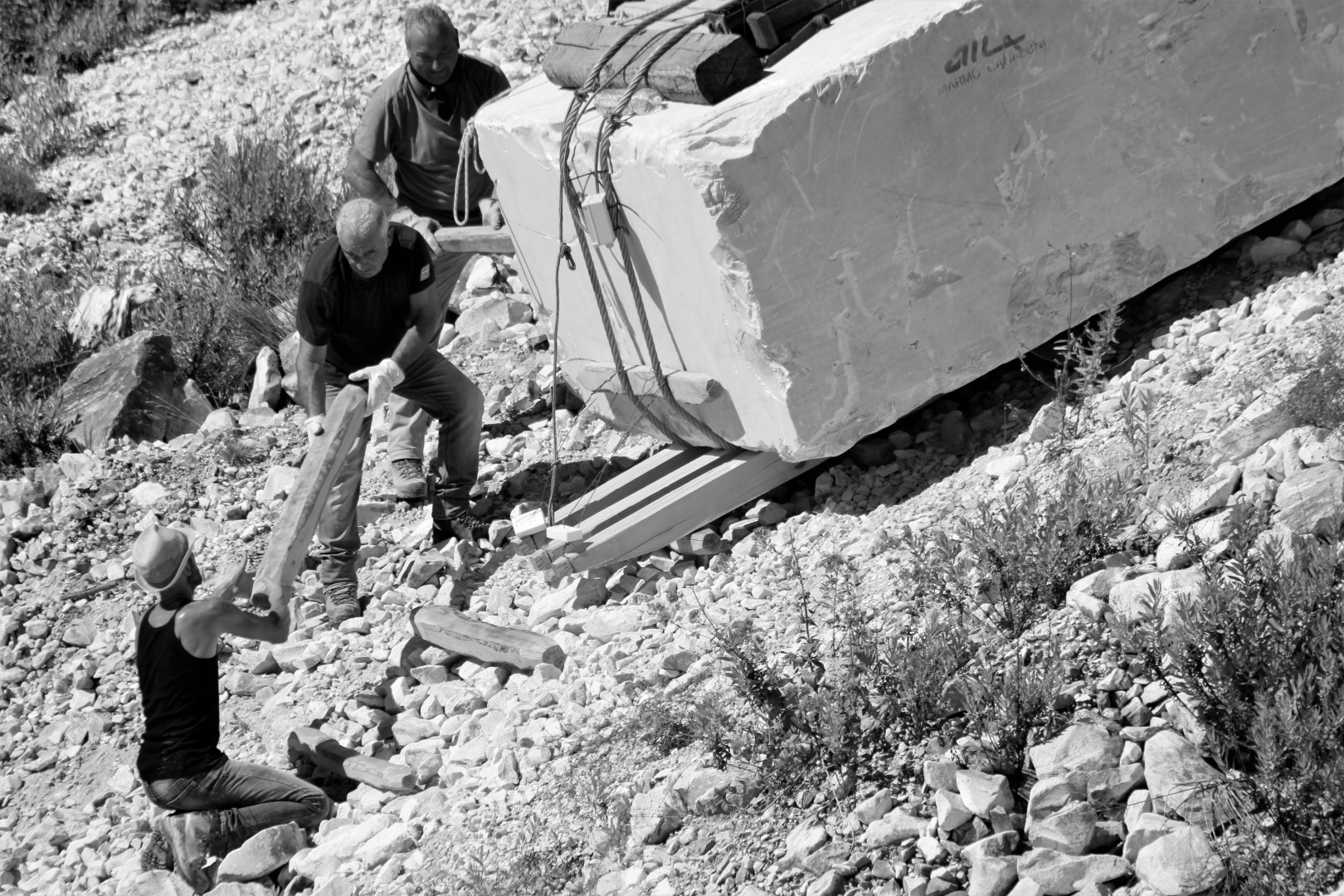
Lizzatura storica - Ponti di Vara
 STORIES
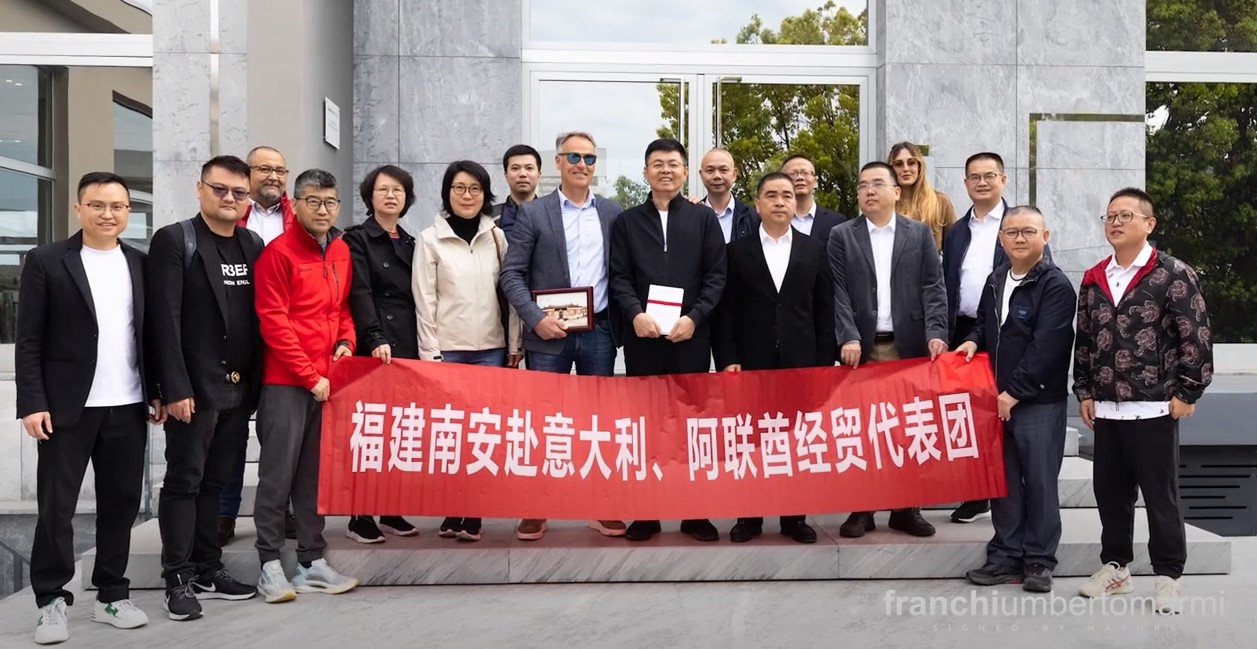
FUM - NAN'AN CITY - 15 years together
 BLOG
BLOG
SUSTAINABILITY REPORT AND ESG GOALS
 STORIES
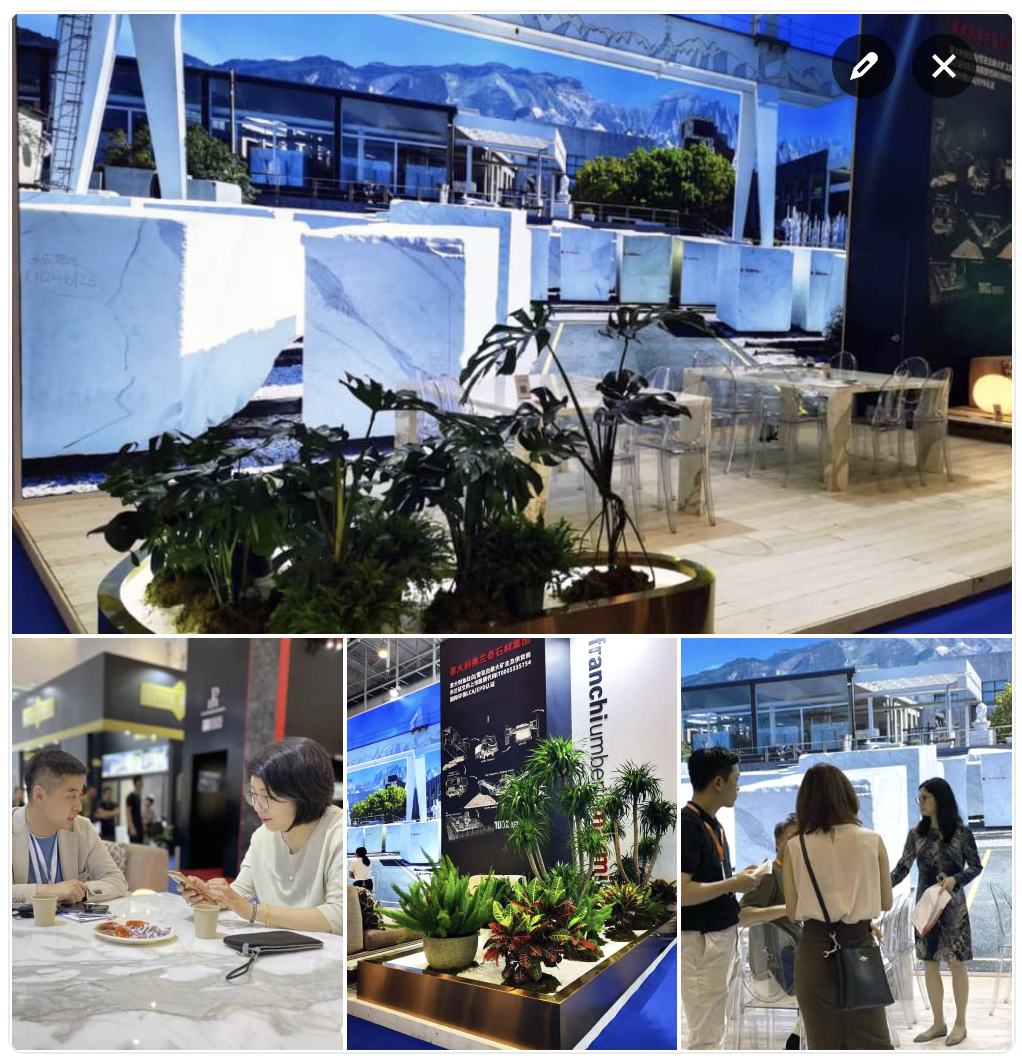
Franchi Umberto Marbles returns to the China @Xiamen International Stone Fair 2023
 BLOG
BLOG
Why is Carrara marble so famous worldwide?
 BLOG
BLOG
We are nature. The sustainability of the Natural Stone at Fuorisalone 2023
 BLOG
BLOG
Sustainability and technology, the management of water resources
BLOG
From "Essere Marmo", the Carrara marble sustainability manifesto, "Marble narrates"
 STORIES
Marble words: 12 young asylum seekers visited the company
 BLOG
BLOG
The tiles: marble in Europe from the 16th century
 BLOG
BLOG
Marble professions: the yard supervisor Massimo Baruzzo

 BLOG
BLOG
Carrara marble on the Grand Tours
 BLOG
BLOG
The luxury and sustainability of marble even "on board"
 BLOG
BLOG
Marble Architecture: discovering MAMAC – Modern and Contemporary Art Museum of Nice
 BLOG
BLOG
The FUM headquarters expands: the new hall C1
 STORIES
Japan Home & Building Show

 STORIES
Best Managed Companies Award by Deloitte Private
 BLOG
BLOG
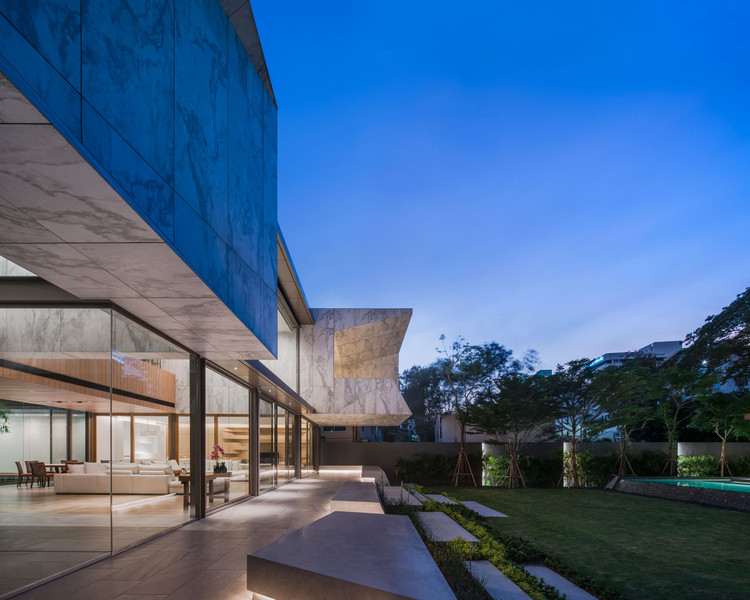
Openbox Architects designs with marble and integrates architecture with the landscape: the Marble House in Thailand
 STORIES
Marmo+Mac 2022
 BLOG
BLOG
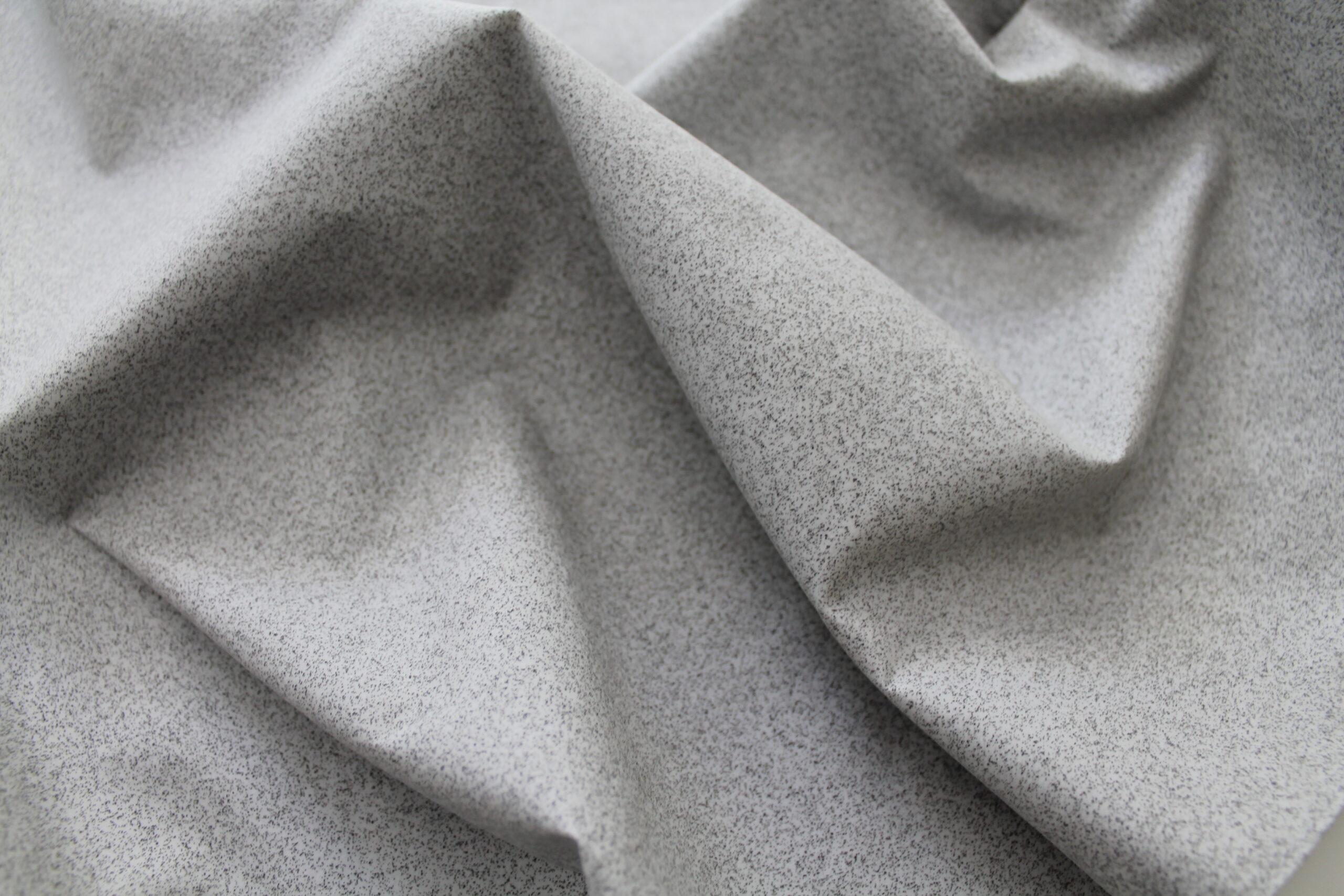
Fili Pari: marble dust become fabric
 BLOG
BLOG
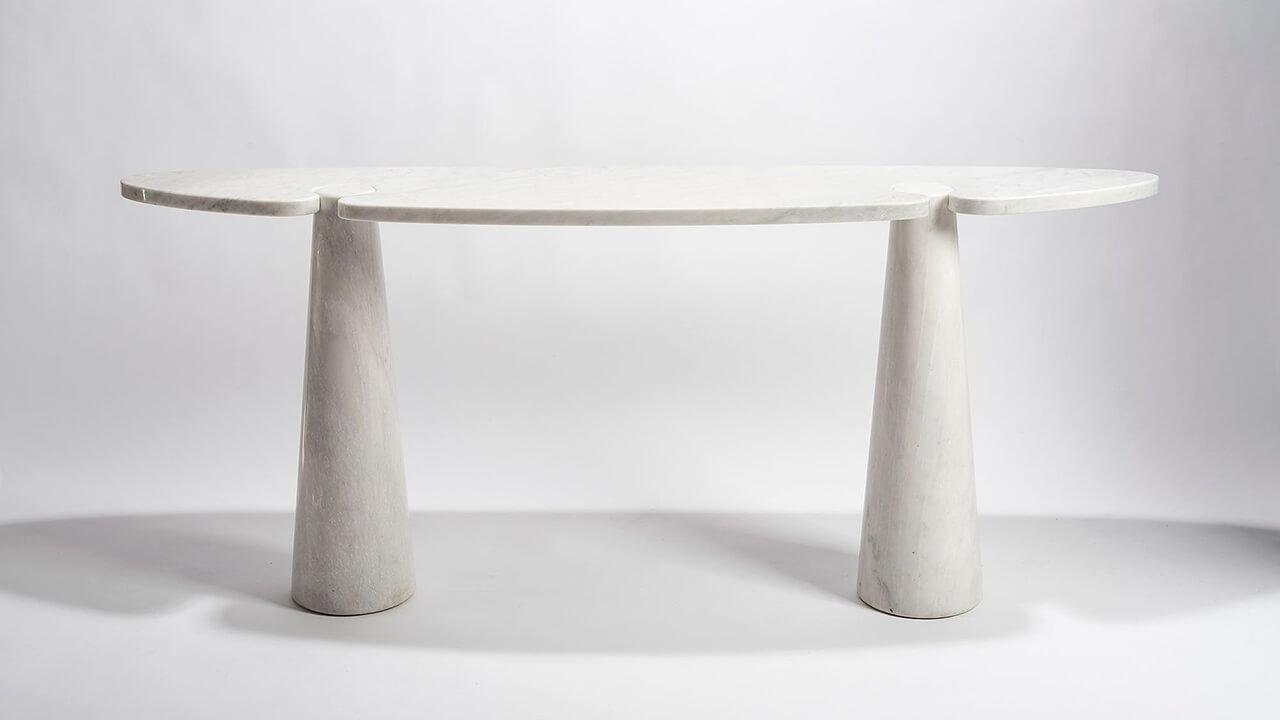
Eros table by Angelo Mangiarotti
 BLOG
BLOG
Born in Carrara
 BLOG
BLOG
A journey through sustainability at FUM – Preview
 BLOG
BLOG
The Marble Railway
 STORIES